
Climatic and Biotic Events of the Paleogene Conference
Climatic and Biotic Events of the Paleogene Conference
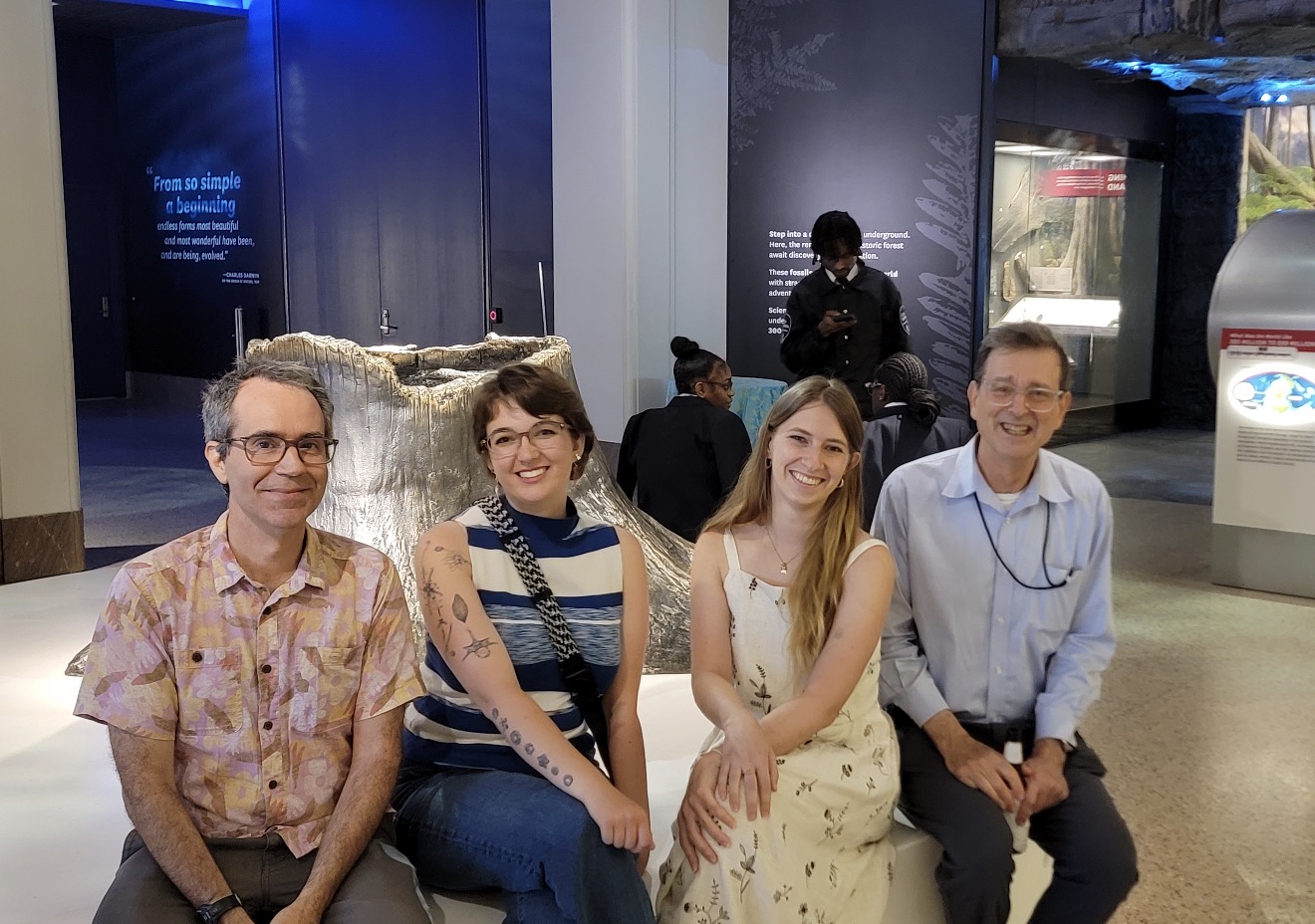
This August, Miriam Slodownik travelled to Washington DC, US, to participate and present at the “Climatic and Biotic Events in the Paleogene” Conference held at the Smithsonian Natural History Museum. Approximately 100 delegates from the US and beyond participated in this conference, bringing different areas of expertise together that do not necessarily use the same techniques but focus on the same time interval, creating great potential for future collaboration. Notably, there was a large proportion of Palaeobotanists and Palynologists present at the conference.
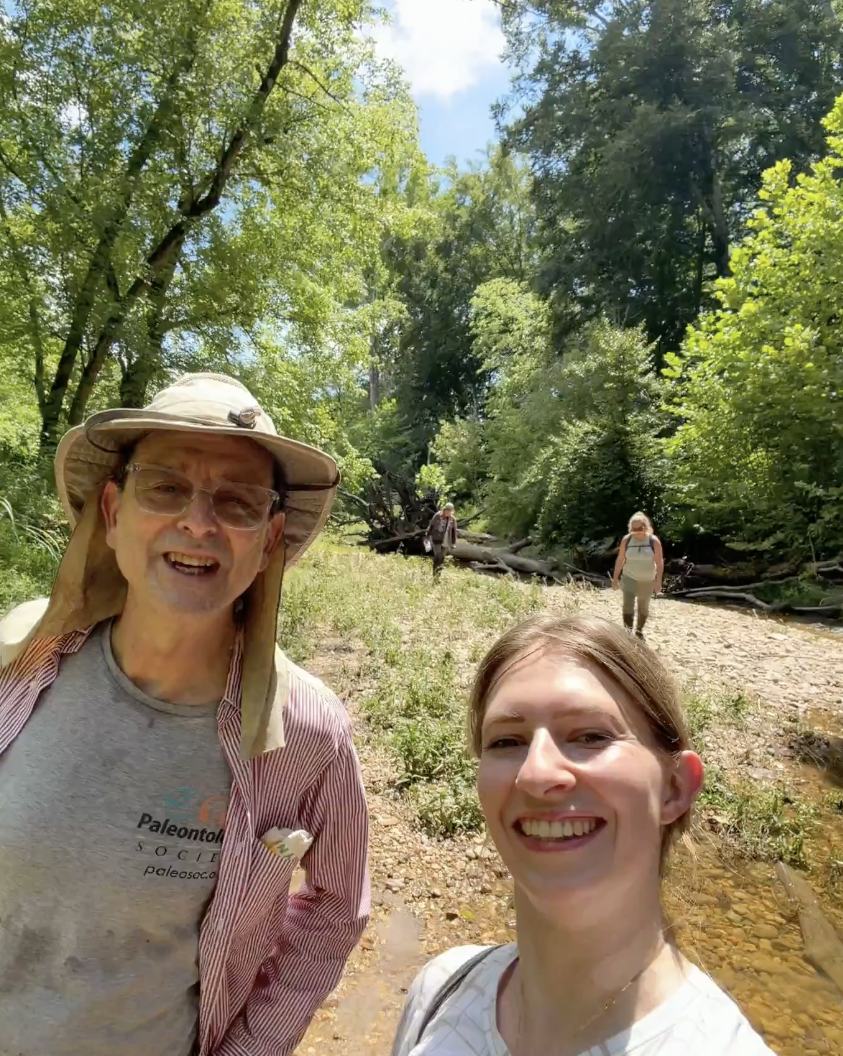
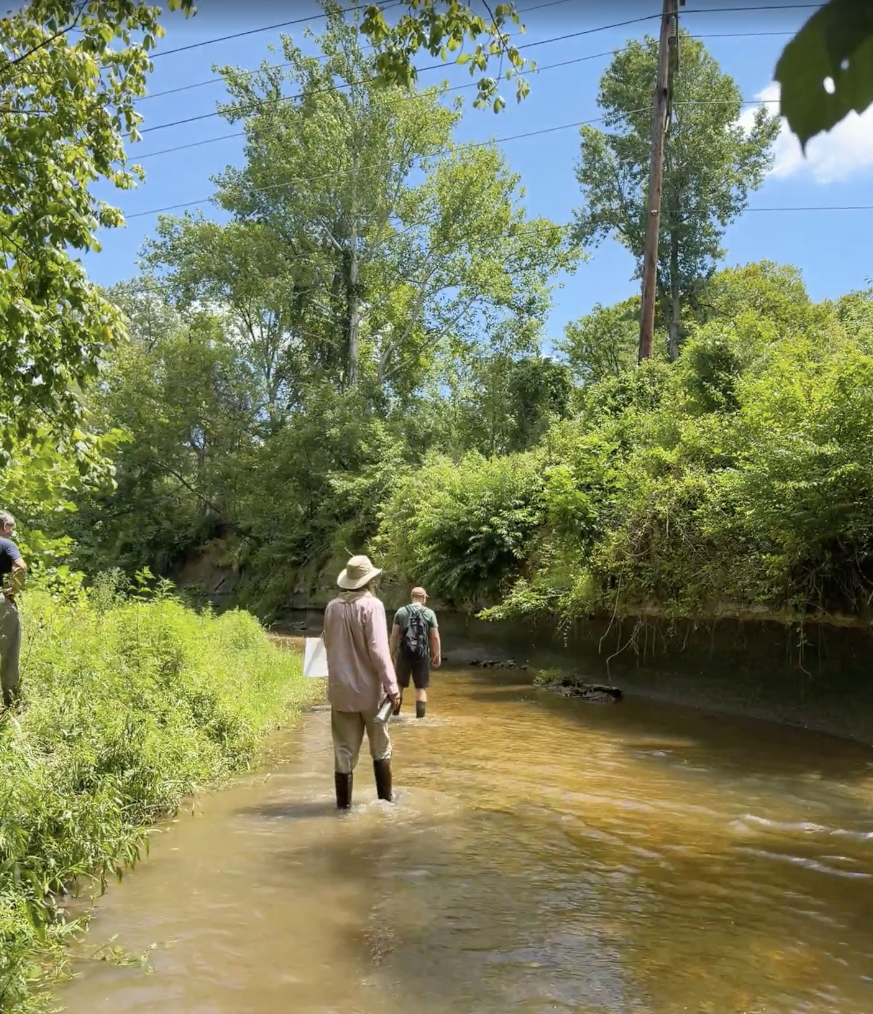
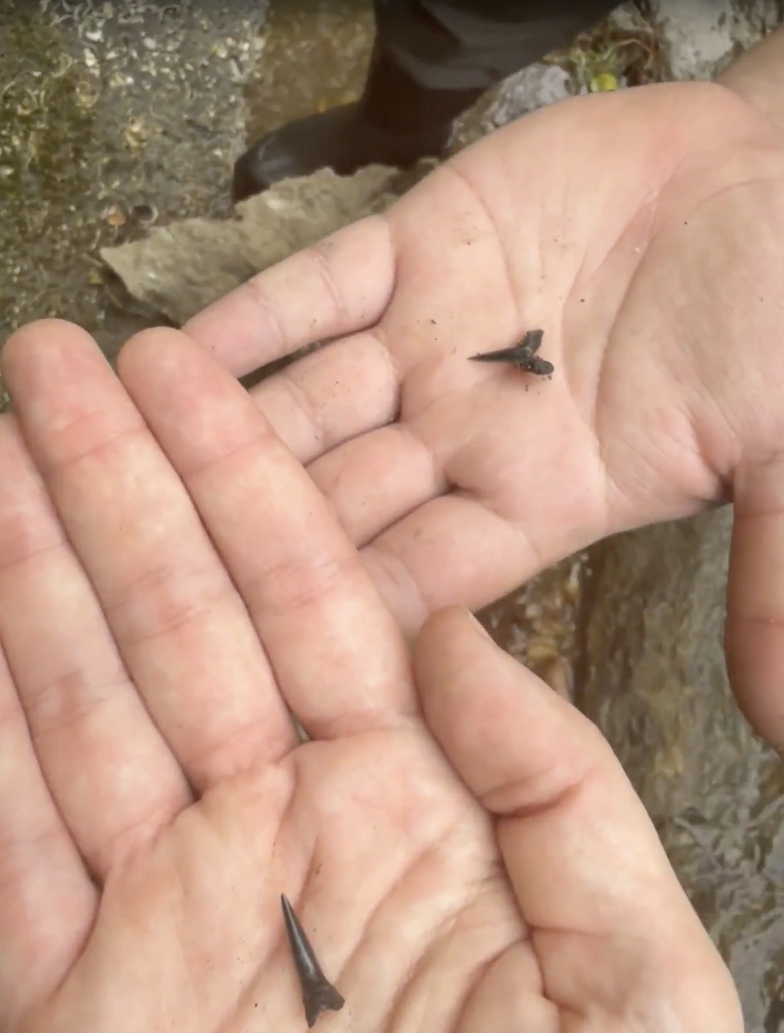
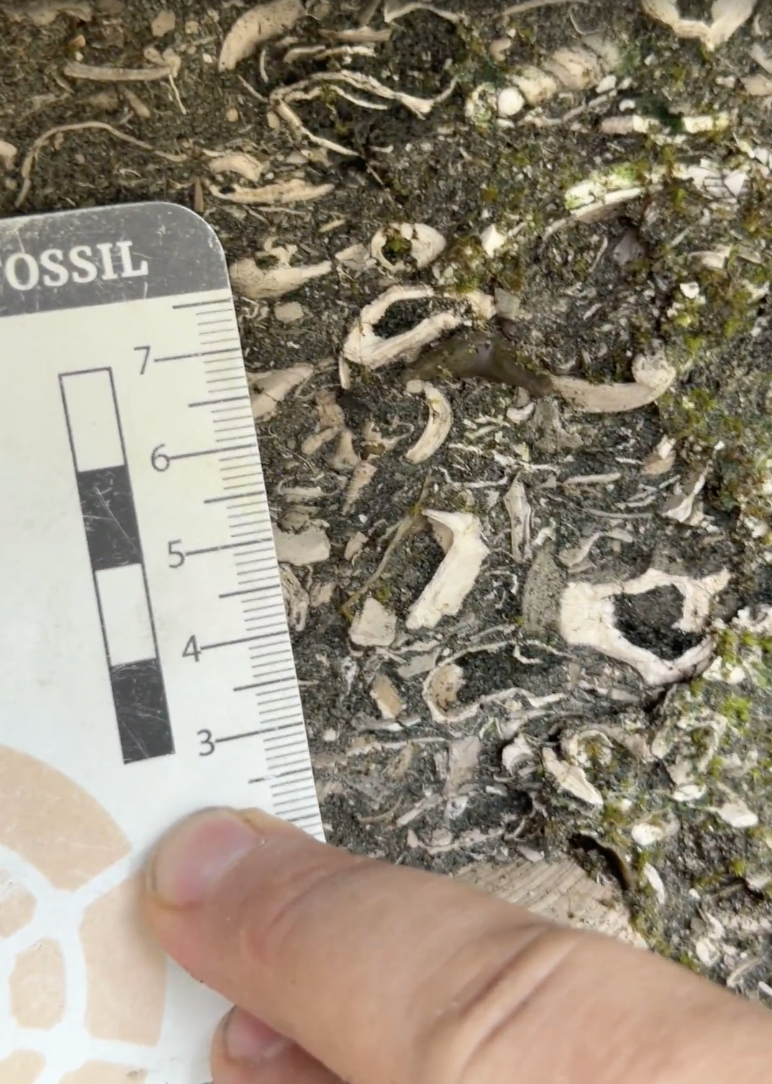
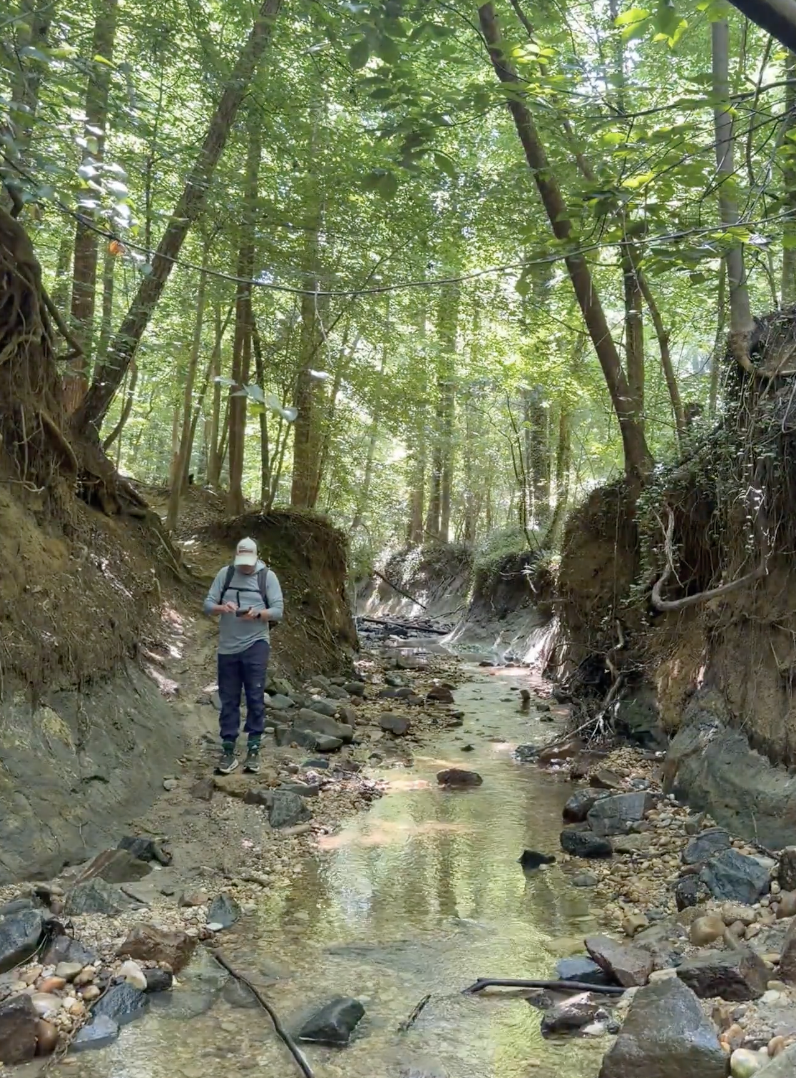
The conference dinner was held in the spectacular Fossil Hall of the museum, which was filled not only with exciting animal fossils, but also spectacular plant fossils and reconstructions. The conference was followed by a magnificent field trip in the outskirts of Washington DC, Maryland and Virginia, where sediments and marine fossils of Cretaceous and Paleogene age were observed and collected.
Greenland fossils uncover ancient climate crisis
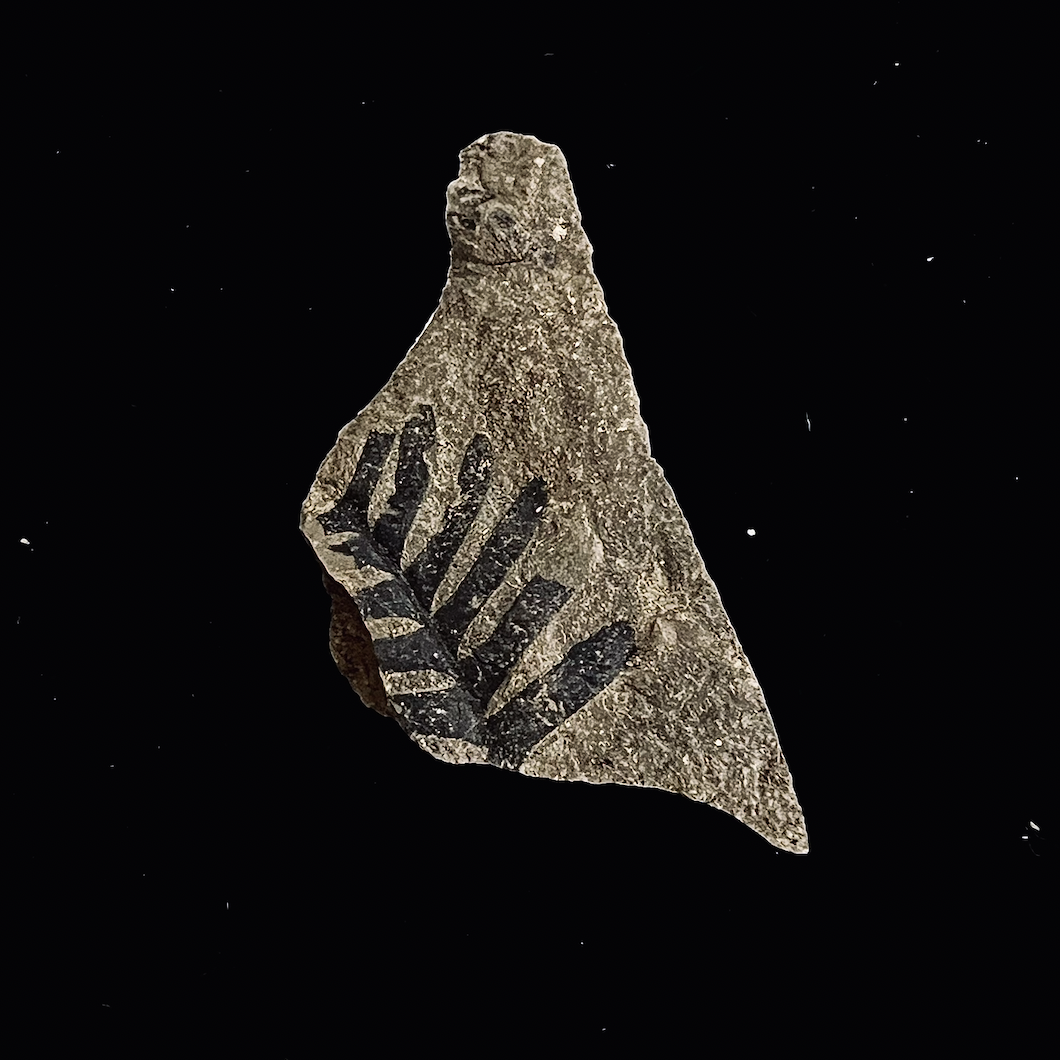
Fossil plants reveal ecosystem change at the end-Triassic.
We are delighted to announce a new publication from our group:
“Census collection of two fossil plant localities in Jameson Land, East Greenland supports regional ecological turnover and diversity loss at the end-Triassic mass extinction.”
This research provides new insight into how ancient plant communities in East Greenland were affected during one of Earth’s most dramatic biodiversity crises – the end-Triassic mass extinction (~201 million years ago). By conducting detailed fossil census collections, our team was able to reconstruct changes in plant diversity and community structure across this critical interval. The results highlight significant ecological turnover and diversity loss, reflecting how global environmental stress reshaped ecosystems at the time. The study also demonstrates how fossil plant records can be used to track the ecological consequences of past climate crises, knowledge that is increasingly relevant as we seek to understand biodiversity responses to rapid environmental change today.
This paper marks an exciting milestone for Antonietta Knetge, PhD student in the Plant Climate Lab, who led the work as her first first-author publication. Congratulations, Antonietta!
We also acknowledge the excellent contributions of Catarina Barbosa and William Matthaeus through the ERC-funded Terraform project, as well as the leadership of Professor Jennifer McElwain. Our thanks go to all our collaborators who helped bring this study to fruition.
The paper is open access and available: https://www.sciencedirect.com/science/article/pii/S0031018225005516

Fossil-hunting expedition across France
Fossil-hunting expedition across France
Over the past week (June 21st-28th), the two postgraduate members of the TERRAFORM team, Catarina Barbosa and Antonietta Knetge, travelled to Poitiers, France for fieldwork. Alongside Dr Bernard Gomez and his postgraduate student, Axel Montigny from the University Claude Bernard Lyon 1, they visited multiple Mesozoic exposures to collect leaf macrofossils and plant debris. The first quarry visited was in Persac, an Albian-Cenomanian (~ 100.5 ma) paleokarst locality with angiosperm leaves and various fauna such as bivalves, bony fish, crocodyliforms, dinosaurs, pterosaurs, and mammals. The group then travelled to the Île d’Oléron to excavate an early Tithonian locality (~149.2 ma), abundant in fossilised conifer wood. The subsequent localities visited offered excellent examples of different types of plant fossil preservation ranging from petrified, and silicified, to plant cuticles preserved in clay. Many of these sites were situated in the La Rochelle/Rochefort area, including the unique Île Madame, only accessible at low tide. The images below show the group on their last night of fieldwork as well as Eucalyptus-like angiosperm leaves from Puy-Puy (Albian-Cenomanian, ~ 100.5 ma) and the fossilised wood from Île d’Oléron.
by Antonietta Knetge


Understanding how fossilisation of plants works
A pilot project in experimental taphonomy
Researchers from the TERRAFORM team visited University College Cork in March to carry out a pilot project in experimental taphonomy with collaborator Maria McNamara. Postdoc Will Matthaeus and PhD student Catarina Barbosa are interested in testing hypotheses regarding the effect of certain aspects of the process that plant parts undergo in the transition between life and preservation in the fossil record (i.e., taphonomy). Maria is a leading expert in the interpretation of the fossil record using experimental alteration of biological materials. The group aims to develop robust interpretations of signals from the plant fossil record for use in ecosystem simulations.


New publication!
Functional traits of fossil plants
Led by Prof. McElwain, the ERC-funded TERRAFORM project team recently published a comprehensive review “Functional Traits of Fossil Plants” in the New Phytologist. The review took a unique approach, evaluating which extant plant traits offer the greatest promise for application to fossils through contemporary trait-based ecology. The focus was placed on plant functional traits and measurable properties of fossils that provide insights into the functioning of the plants in past environments.
Taking into consideration the limitations of a trait-based approach in palaeobotany, the team together with collaborators assessed over 30 extant traits in palaeobotany and ranked 26 paleo-functional traits based on taphonomic and methodological criteria that can potentially impact Earth system processes. The Tansley Review offers a new perspective on the study of extinct plants and brings insights into their functioning in the past.
The open-access publication is available online under this link.


Figures from the publication:
Figure 1. The methodological framework used to critically evaluate 30 contemporary plant traits (from Pérez-Harguindeguy et al., 2013) for their potential application to the plant fossil record as paleo-functional traits.
Figure 2. Examples of fossil plant functional traits.
Figure 3. Comparison of paleo-functional trait scores according to different weighting criteria.

How to bring extinct plants ‘Back to Life' - publication by Will Matthaeus and Jenny McElwain
How to bring extinct plants ‘Back to Life.’
An obvious question to many might be “why study plant fossils?” Of course, some people just think they are amazing on their own. But there are ways that plant fossils can help us understand how Earth’s different systems work together. One framework for this approach is described by the recent review A Systems Approach to Understanding How Plants Transformed Earth’s Environment in Deep Time by TERRAFORM postdoc Will Matthaeus and PI Jenny McElwain among others. First, the plant fossil record tells us that at least part of Earth has been covered by plants since they evolved nearly half-a-billion years ago, even though the climate has been very different at times. The fossil record also shows that plants have changed so much since their start that at times they may have been nearly alien to our modern eyes. Finally, using ecosystem process models to incorporate measurements from plant fossils with climate simulations, we can estimate how extinct plants may have performed in the climates they experienced hundreds of millions of years in the past. Reaching so far back requires the expertise of several different kinds of scientists all working closely together to carefully develop solutions to a diverse array of challenges, and will allow us to understand the whole story of how the Earth we know came to be.