
Harnessing botanical remedies for respiratory health
Plant-based cough syrup - a blend of tradition and science
Muhammad Siddiq, a PhD student, recently carried out a project exploring natural alternatives to synthetic cough syrups, with a focus on medicinal plants from the TCD Botanical Garden. This independent project, while separate from his doctoral research on plant chemistry and climate change, contributes to the broader conversation about the role of plants in healthcare.
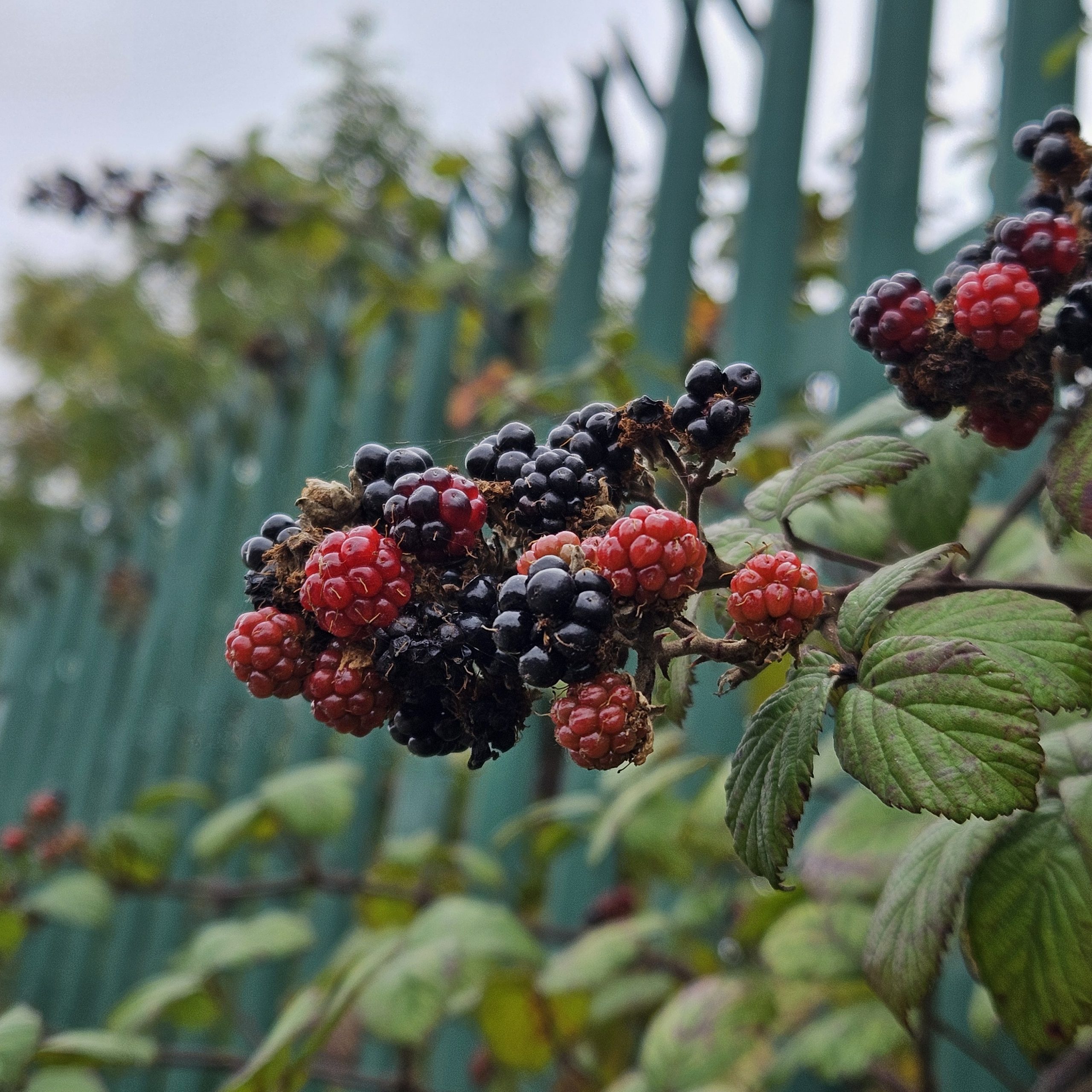
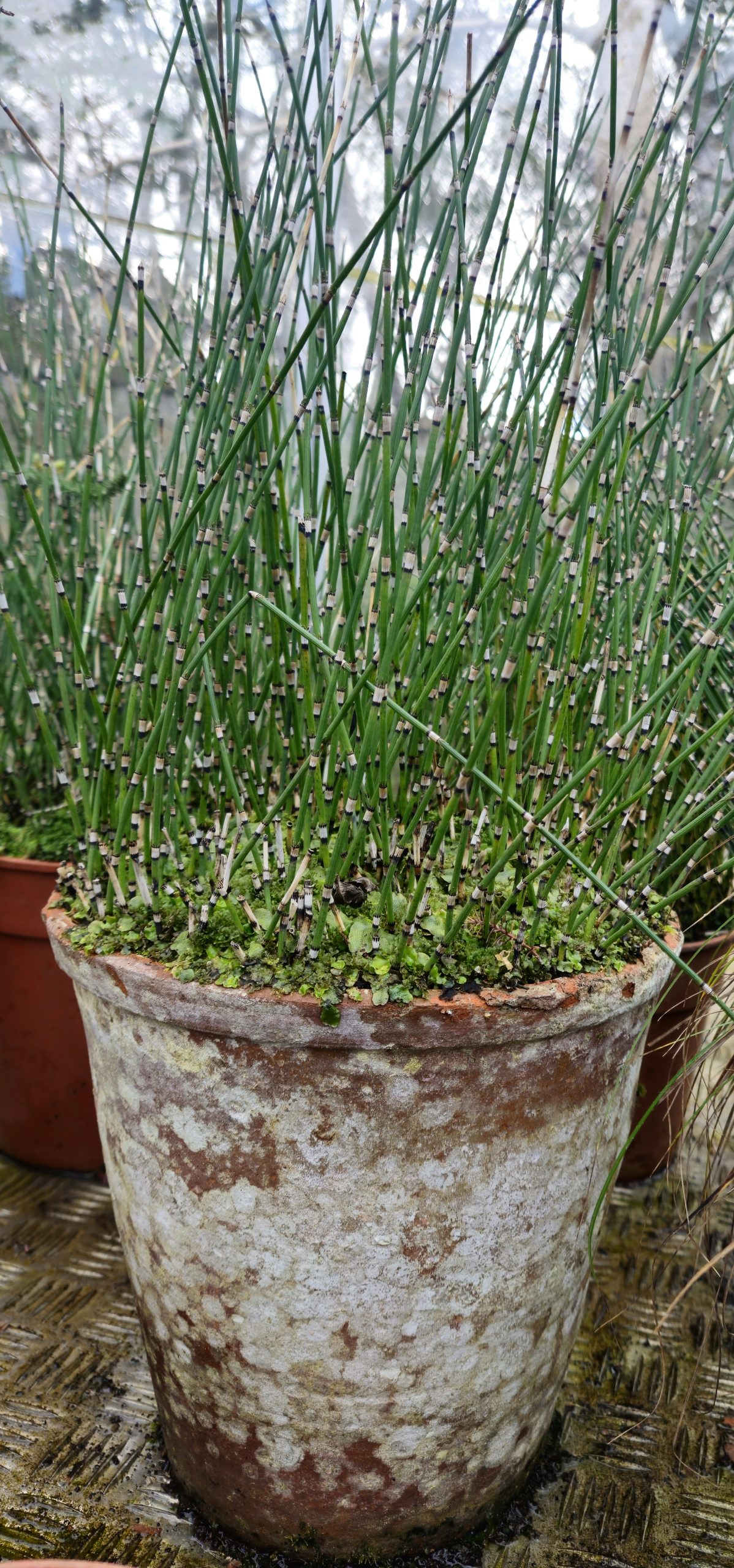
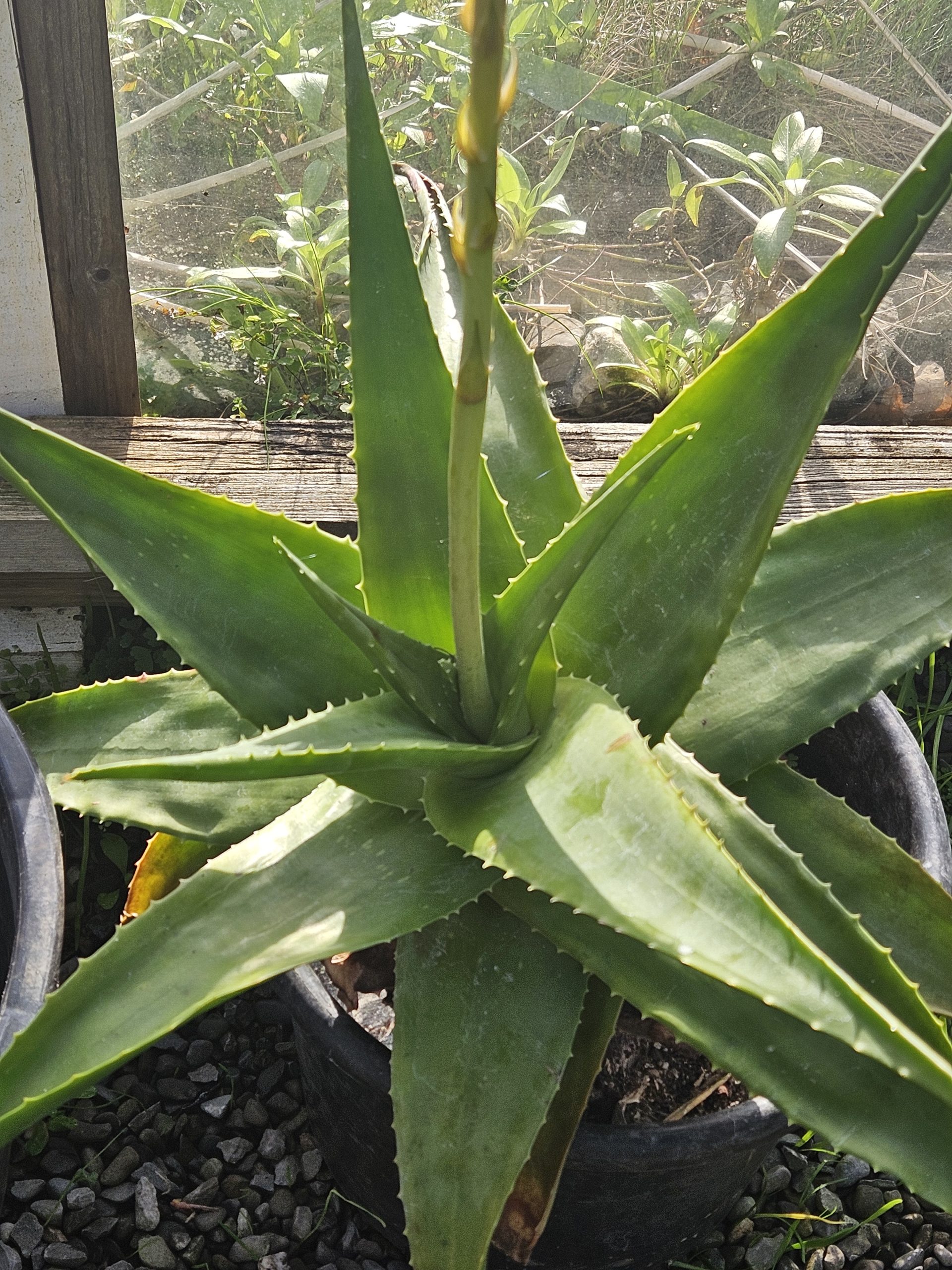
Siddiq’s work focused on identifying plants with potential cough-relieving properties, drawing on both historical knowledge and scientific evidence. He highlighted five plants known for their medicinal value: Allium sativum (garlic), prized for its antibacterial and immune-boosting effects; Aloe vera, recognized for its soothing and anti-inflammatory properties; Equisetum hyemale (horsetail), a mild expectorant; Thuja occidentalis, traditionally used for respiratory congestion but requiring controlled use due to its thujone content; and Rubus armeniacus (blackberry), rich in antioxidants that help alleviate throat irritation.
Using these plants, Siddiq developed a natural cough syrup, blending garlic extract, aloe vera juice, horsetail infusion, blackberry syrup, and honey—an age-old natural remedy known for its preservative and throat-soothing properties. This simple yet effective formulation offers a plant-based alternative to commercial cough syrups and demonstrates the potential of botanicals in modern medicine.
Although separate from his PhD research, Siddiq’s work highlights the relevance of plant-based treatments in healthcare, bridging traditional knowledge with modern scientific validation. His project also emphasizes the value of locally available medicinal plants, many of which visitors to the TCD Botanical Garden can explore firsthand to learn about their historical and medicinal significance, both in Ireland and beyond.
by Muhammad Siddiq
Measuring photosynthesis efficiency in our smallest plants
Measuring photosynthesis efficiency in our smallest plants
Dr Ailbhe Brazel, a Teaching Fellow on the Terraform project, and her colleagues recently published a paper in the January 2025 issue of Plant Science, presenting findings from her previous research.
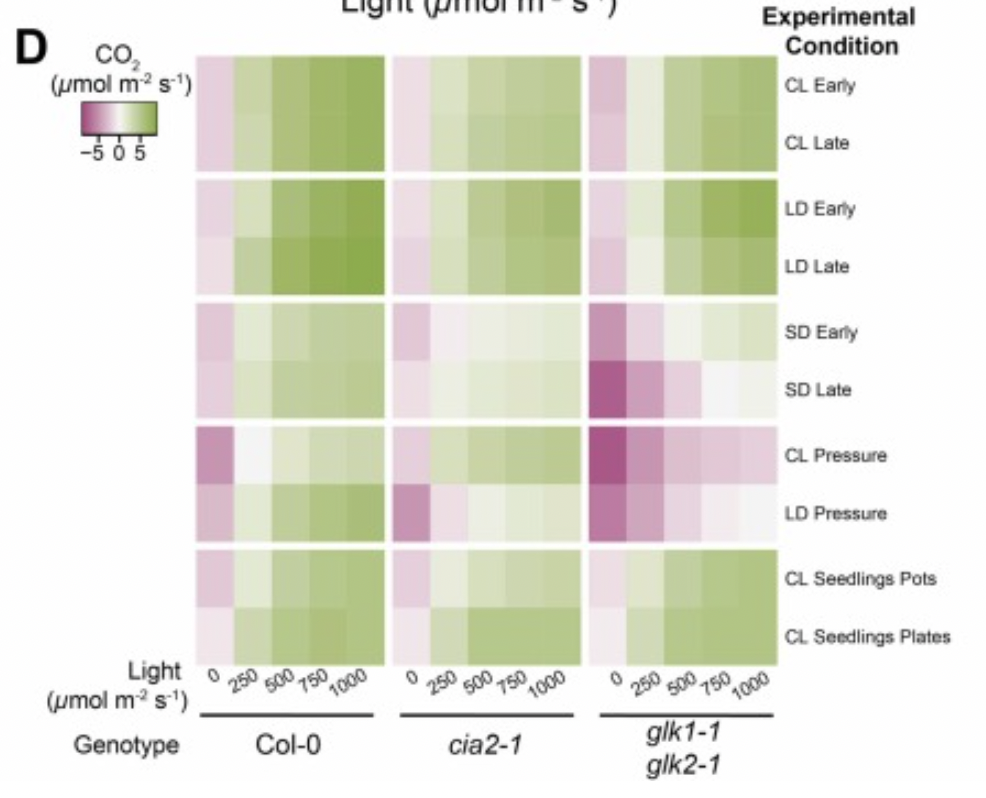
Infra-red gas exchange analysis (IRGA) is a widely used technique for assessing photosynthetic efficiency by measuring the carbon dioxide assimilated and released by plants. Traditional IRGA methods require placing plant tissue in a sealed chamber, often using bulky leaf clamps. These clamps pose challenges when working with small herbaceous plants that have delicate leaves and closed rosette structures. An alternative approach involves growing small plants in soil and using whole plant chambers for gas exchange measurements. However, this method can introduce variability due to carbon dioxide emissions from microorganisms or root respiration in the soil.
In their paper, Dr Brazel and her colleagues introduce a novel method that significantly reduces this variability, improving the accuracy of IRGA measurements for small herbaceous plants using whole plant chambers. This is the first comprehensive methods paper on IRGA analysis in Arabidopsis thaliana. The team successfully applied this technique to measure carbon dioxide assimilation in 10-day-old Arabidopsis seedlings, a crucial developmental stage frequently used in transcriptomic and biochemical research. Their method expands the toolkit available for IRGA studies in A. thaliana, enabling more precise monitoring of photosynthetic rates from early plant growth stages.
by Ailbhe Brazel


Botanical Gardens - an underused resource to study climate change
Botanical Gardens - An underused resource to study climate change
A new paper with the participation of members of our team has been recently published and is accessible to all. Professor Jennifer McElwain, Dr Michelle Murray, Dr Christos Chondrogiannis and Midori Yajima (former member) are co-authors of the paper titled “A framework for long-term environmental monitoring using living plant collections in botanic gardens: A global review and case study from Trinity College Botanic Garden” published in the Plants People Planet journal.
Botanic gardens serve as ideal sites for investigating plant responses to climate change, offering substantial outreach and visitor engagement opportunities. However, the potential of living collections for multi-year studies has not been fully explored. This paper first reviews environmental monitoring projects conducted in these institutions over three continuous years, revealing that fewer than 1% of botanic gardens and arboreta globally engage in long-term research. Moreover, we identified a shortfall in biodiversity among the species used, with only 3% of angiosperm and 35% of gymnosperm families represented in studies.
Based on these findings, we propose a long-term (>30 years) monitoring project to study the effects of climate change, using the living collection of Trinity College Botanic Garden called Witness Tree Project. We have selected 21 tree specimens that are relevant to different interests, from highly studied species with excellent international trait data coverage to culturally important trees. We measured stomatal conductance, which is significantly influenced by atmospheric CO2 levels, as well as particulate matter, indicating atmospheric pollution.
We are excited to announce that the Witness Tree Project is now in its third year and is expanding. The same trees are also being monitored at the National Botanic Gardens of Ireland, with additional collaborations in progress. Furthermore, we are incorporating more measurements to provide a comprehensive understanding of how climate change impacts plants. Recognizing the importance of open science practices, we have made our data and documentation available to the public. This approach not only facilitates future global research but also promotes a collaborative atmosphere, which is crucial for addressing the colonial legacy of botanic gardens and herbaria.
by Christos Chondrogiannis


Behind-the-Scenes of the Evolutionary Weathering Experiment at the VAL Lab
Preparing for the Evolutionary Weathering Experiment – A Behind-the-Scenes Look
As part of the TERRAFORM ERC-funded project, the upcoming evolutionary weathering experiment in the Variable Atmosphere and Light (VAL) Laboratory aims to investigate how vegetation influences silicate weathering and its role in shaping geochemical cycles over time. This project requires extensive preparation to establish precise experimental conditions for plant-mineral interactions in a controlled setting.
A selection of plant species has been carefully acclimated to growth chambers, where they will be monitored under controlled environmental conditions. These plants will be grown in a specialized mineral substrate, allowing researchers to examine weathering processes over time. The study will involve regular geochemical assessments to track changes in environmental variables.
Extensive groundwork has been undertaken to ensure experimental consistency, from refining growth conditions to optimizing substrate composition. The climate chambers have undergone thorough testing to maintain stable conditions, ensuring a replicable study environment.
With preparations nearly complete, this research aims to provide valuable insights into how plant evolution has influenced biogeochemical cycles and atmospheric processes. Stay tuned for future updates and findings!
by Dylan McGinty


Final Year Thesis Spotlight on Investigating Plant Responses and Molecular Signaling
How do plants sense their environment?
Philip Brennan is a final-year Botany undergraduate student. He is working under the supervision of Dr. Ailbhe Brazel who is a Teaching Fellow on the Terraform project. Philip will be answering questions on how plants dynamically respond to their environment by integrating multiple molecular mechanisms. Philip will be working with a commonly used model organism in plant genetic research, Arabidopsis thaliana. Arabidopsis is a small herbaceous plant in the Brassicaceae family, a family containing many of the crops we eat every day such as cabbage, broccoli, cauliflower and turnip. Philip will be taking advantage of the vast genetic resources available in Arabidopsis to dissect the interactions between different molecular signalling pathways in response to stress and development. He will be using molecular as well as microscopy techniques in his project.
by Ailbhe Brazel

