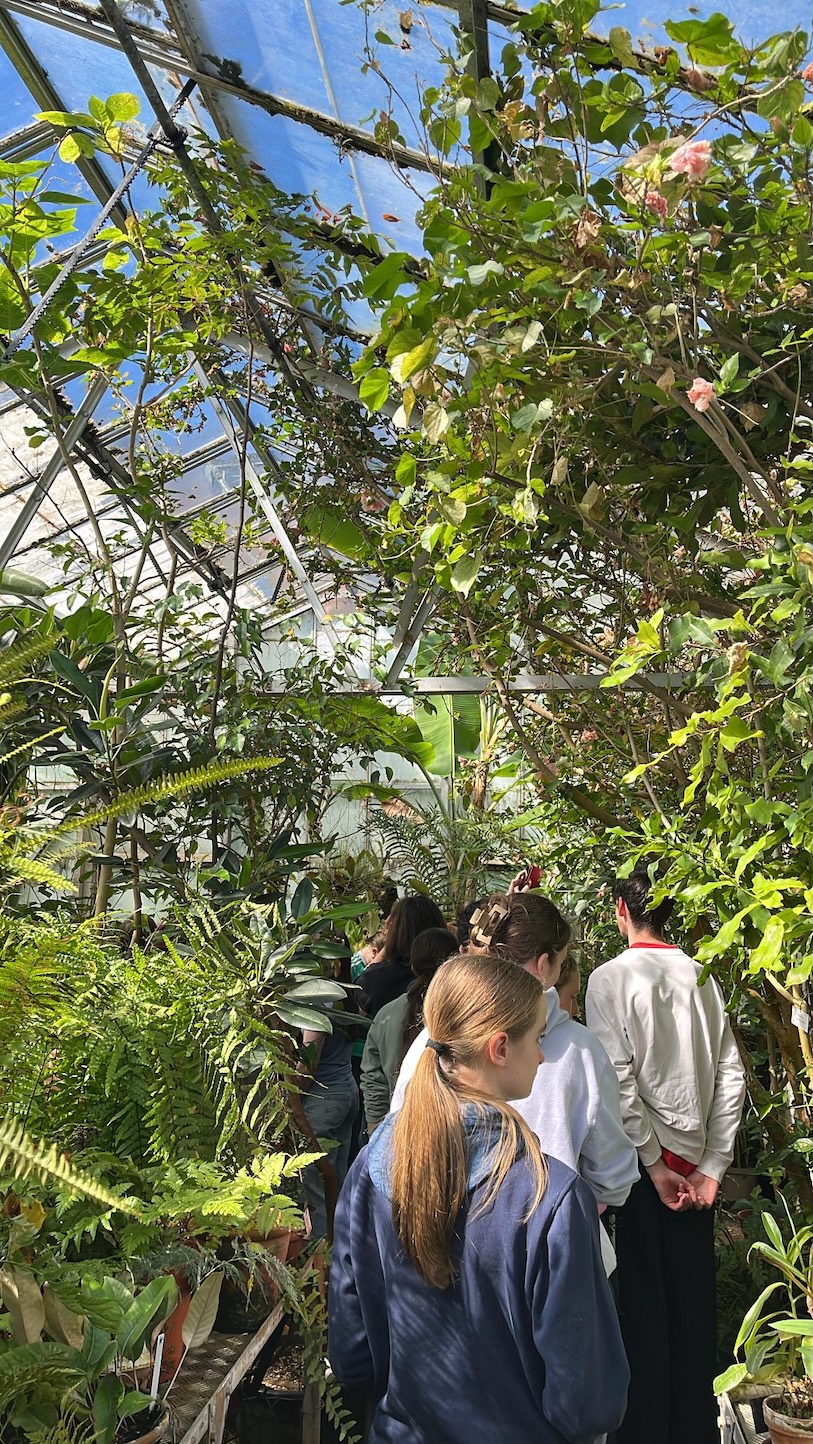
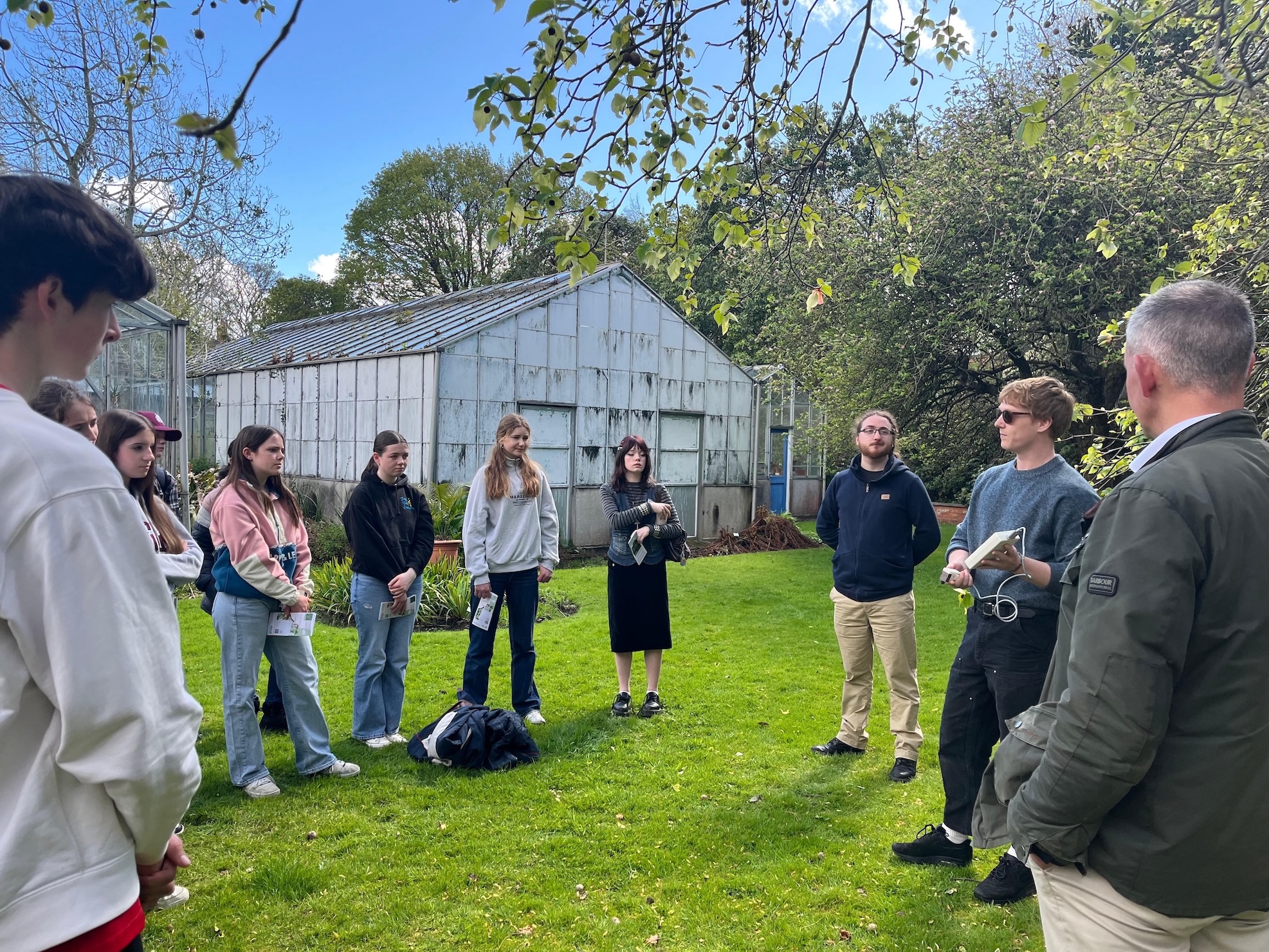
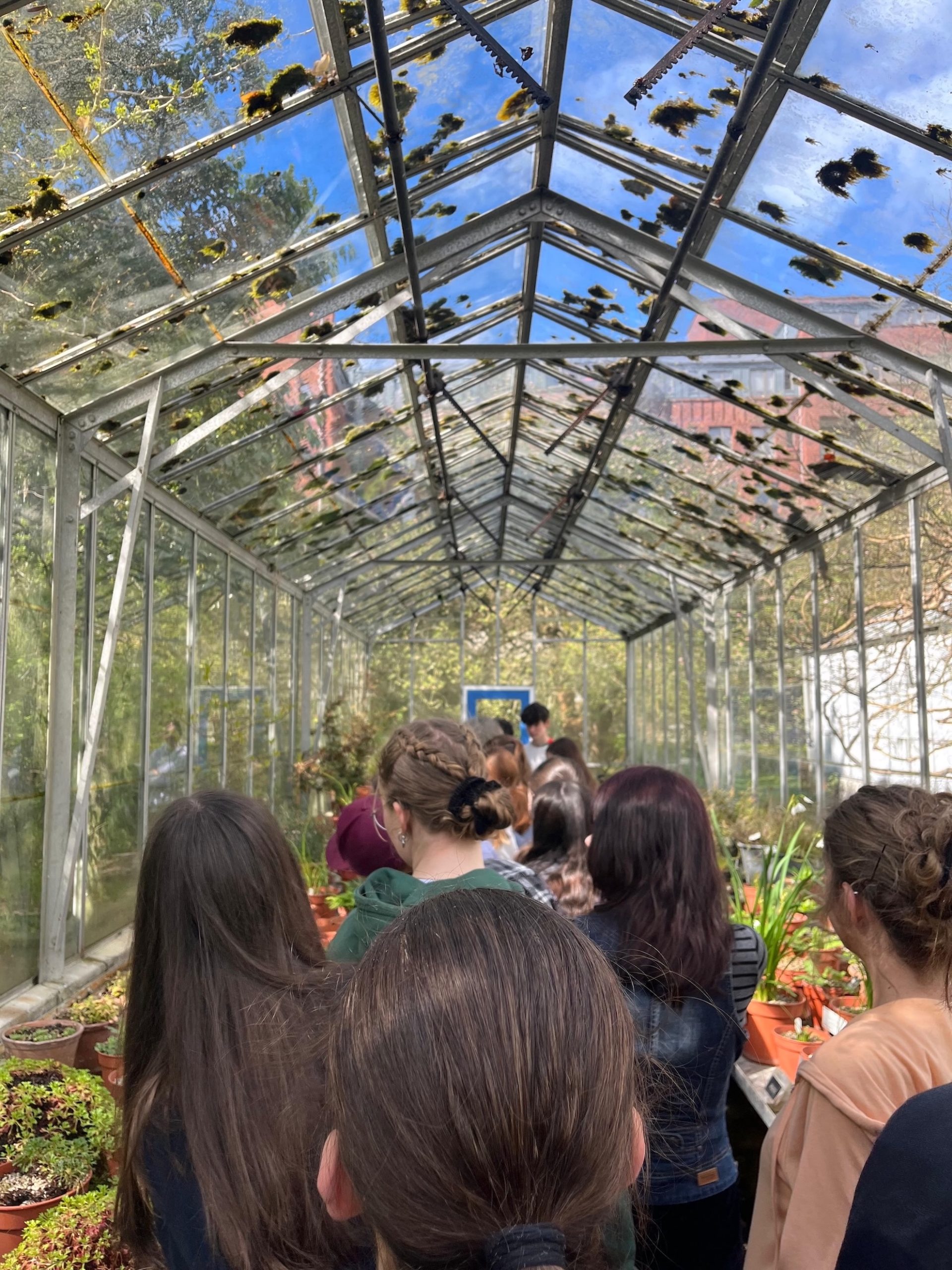
TY Students Explore Plant Ecophysiology at Trinity Botanic Gardens
Hands-on environmental monitoring and plant physiology activities as part of the Witness Tree Project outreach programme

Dr Ailbhe Brazel Awarded Prestigious Research Ireland Pathway Programme Grant
Building climate-resilient crops through research on low oxygen sensing and responses in plants
We are delighted to share that Dr Ailbhe Brazel has recently been awarded a prestigious Research Ireland Pathway Programme grant to investigate low oxygen sensing and responses in plants, with the aim of developing greater climate resilience in crops.
The Research Ireland Pathway Programme is a highly competitive national funding scheme designed to support outstanding early-career researchers in establishing themselves as independent research leaders. With an overall success rate of around 20%, the award represents a major achievement and supports researchers in building their own research programmes, including the supervision of postgraduate students.
Ailbhe has been working as a Teaching Fellow on the TERRAFORM Project since August 2024 and will now move on to develop her own independent research programme as a Research Assistant Professor in the Botany Discipline at Trinity College Dublin.
As part of the programme, Ailbhe is currently recruiting for a 3-month Research Assistant position and a funded 4- year PhD student to join the project.
Huge congratulations to Ailbhe on this fantastic achievement – we are excited to see this research programme grow and develop.


Plant Climate Lab at the Botany–Zoology Postgraduate Symposium 2026
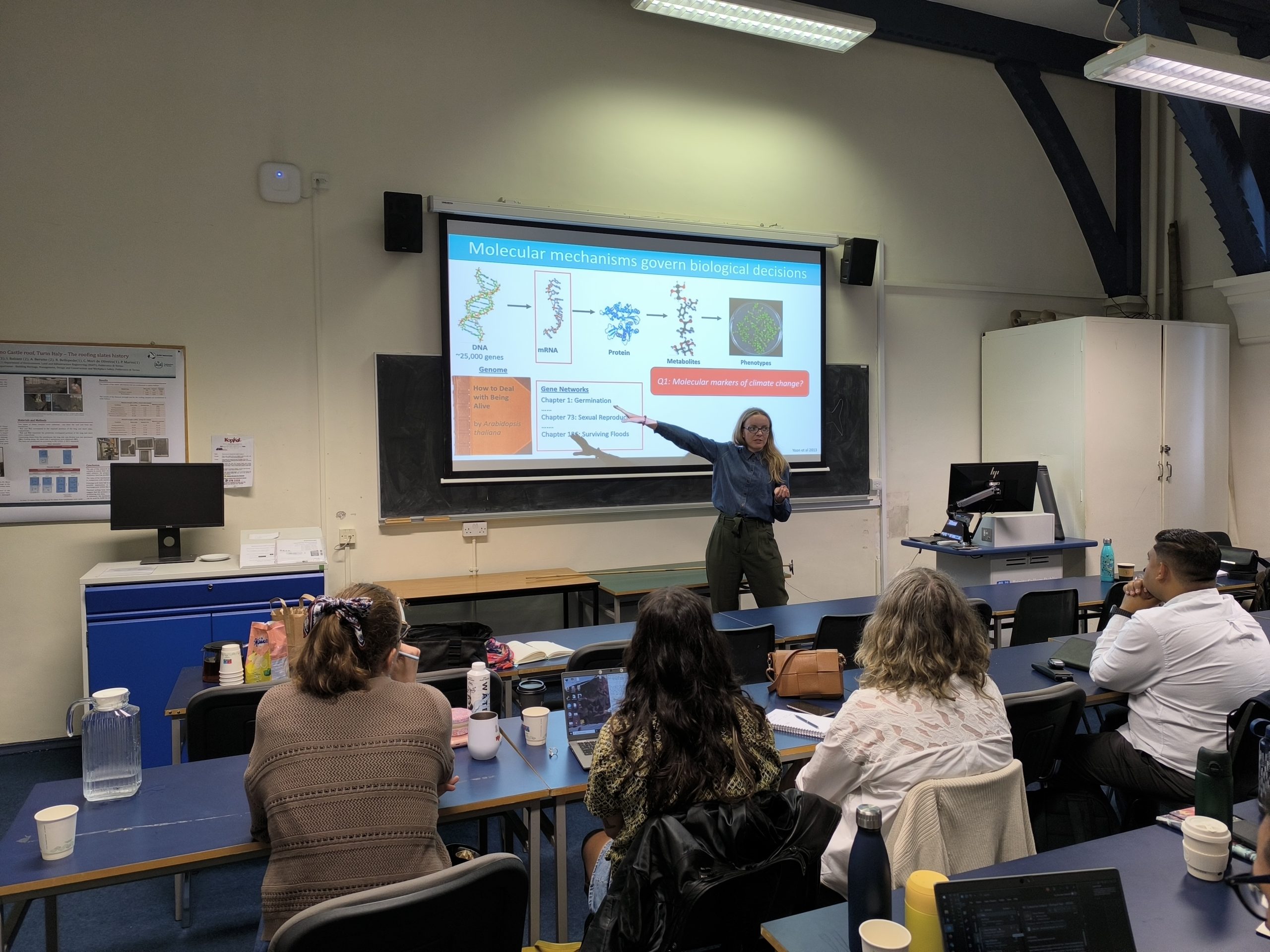
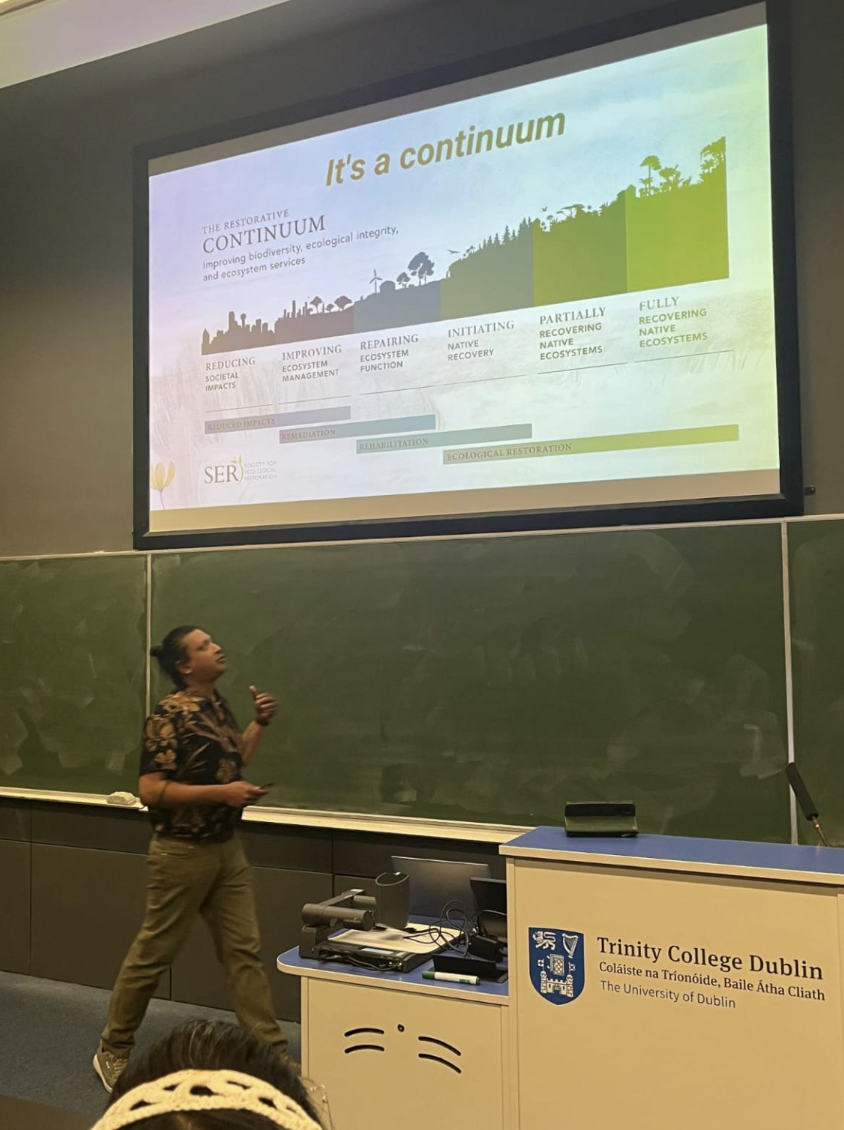
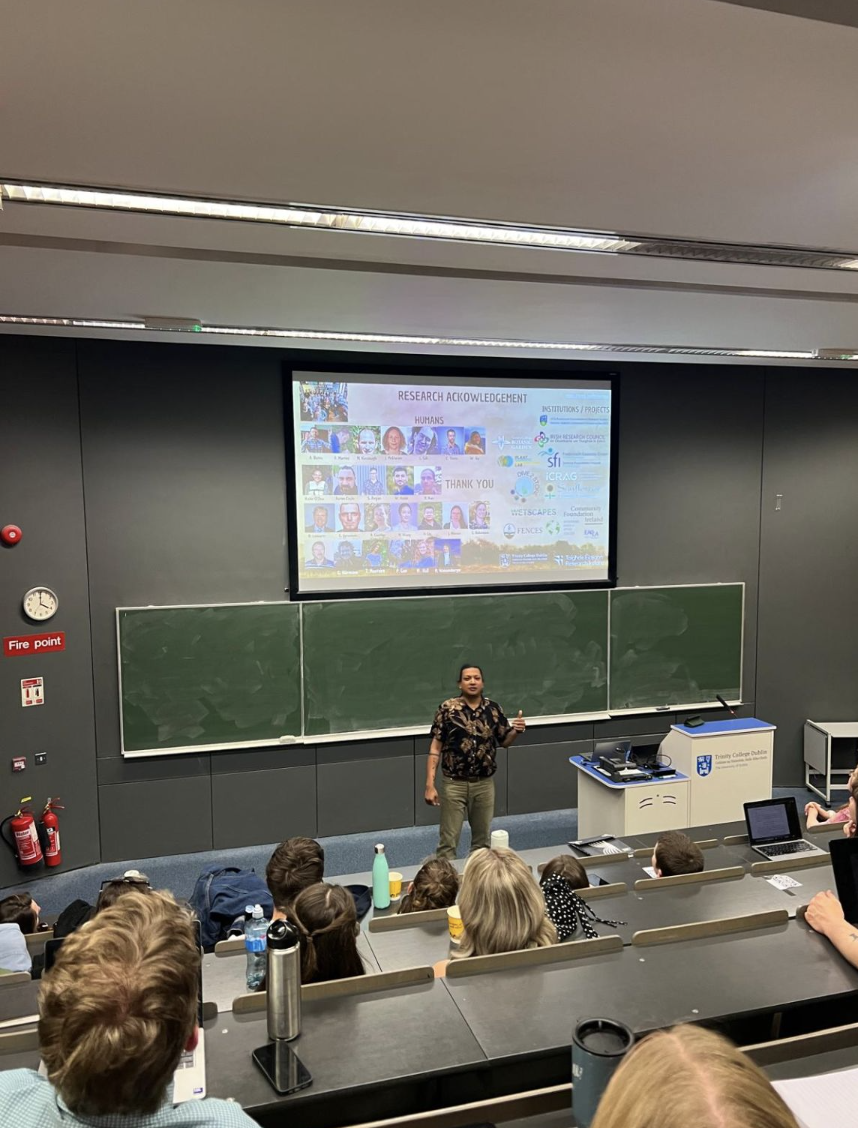
On April 30th and May 1st, the annual Botany–Zoology Postgraduate Research Symposium 2026 took place at Trinity College Dublin, bringing together postgraduate researchers from across the School of Natural Sciences to share research spanning ecology, social science, zoology, and botany.
On the second day of the symposium, Dr Sate Ahmad delivered the keynote presentation on ecological restoration – the process of assisting the recovery of native ecosystems that have been degraded, damaged, or destroyed. The talk highlighted both the scientific and practical importance of restoration in responding to biodiversity loss and environmental change.
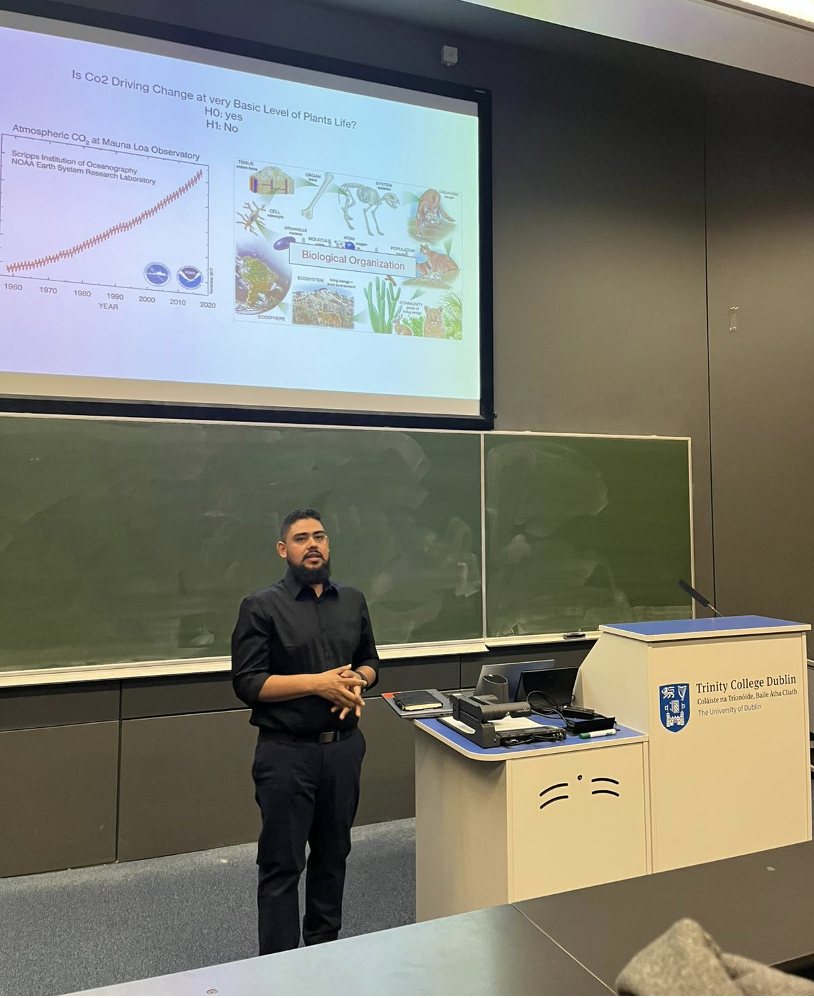
Plant Climate Lab postgraduate researcher Siddiq Muhammad also presented a 10-minute talk on the PlantChem Project: Investigating the Shift in Plant Chemistry Due to Climate Change – A Multidisciplinary Approach.
The presentation explored how rising atmospheric CO₂ and climate change may be altering the elemental composition of plants themselves — the fundamental “building blocks” of plant life. Using the same plant species collected from the same sites across 24 locations and seven major biomes, the study compared historic samples (1989–1991) with modern collections (2013–2015).
The findings revealed striking shifts in plant “elementomes”, with elemental composition changes ranging from 3% to as high as 61% over just a few decades. The greatest changes were observed in subtropical deserts, temperate rainforests, and dry tropical seasonal forests, highlighting how environmental change is physically restructuring plant chemistry on a global scale. These hidden shifts may have major implications for ecosystem functioning, herbivore nutrition, and global nutrient cycling.
The talk was followed by a lively Q&A session and received excellent feedback from the symposium organisers.
It was wonderful to see such a diverse and inspiring range of postgraduate presentations throughout the symposium, and a pleasure to reconnect with colleagues and friends across the School.
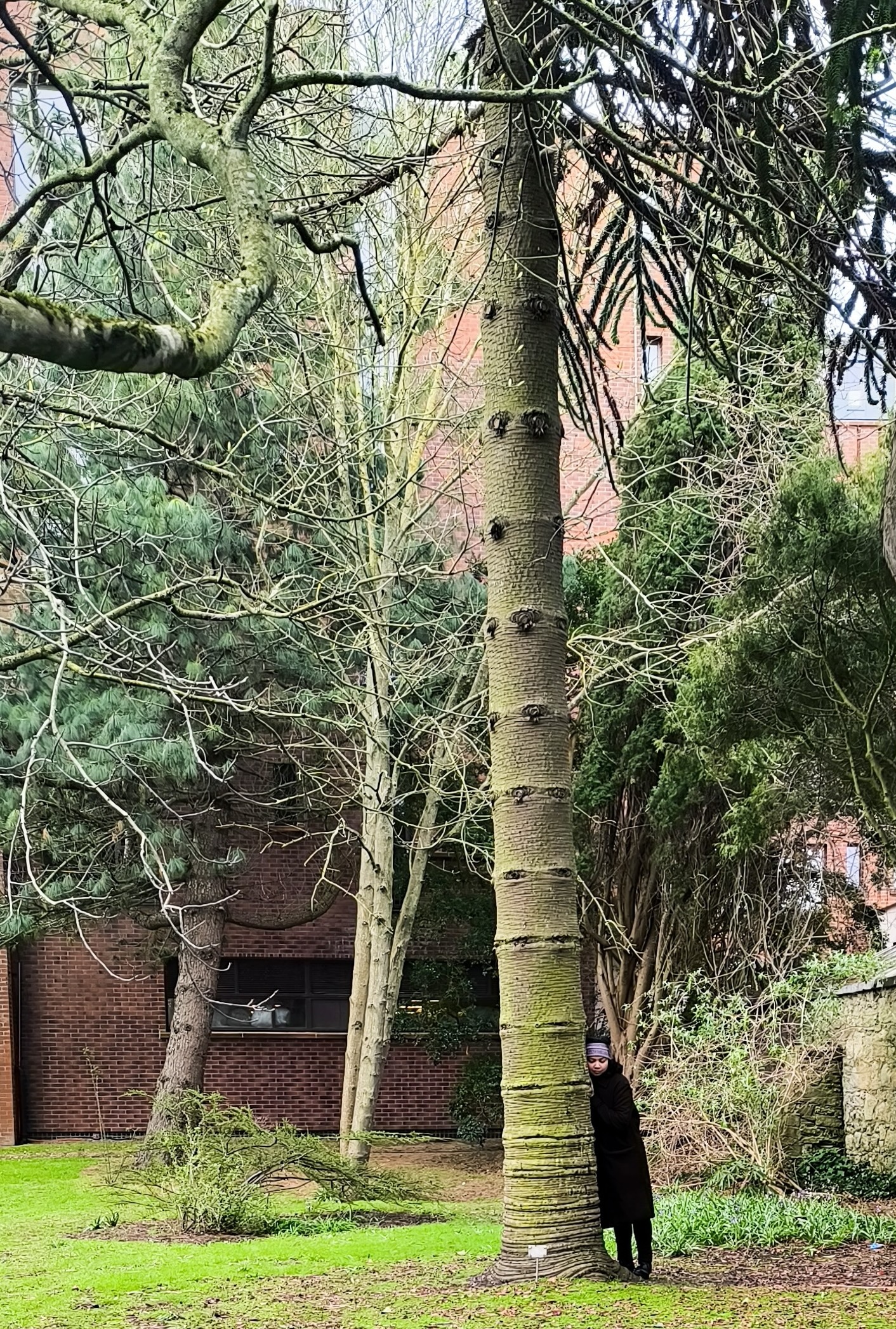
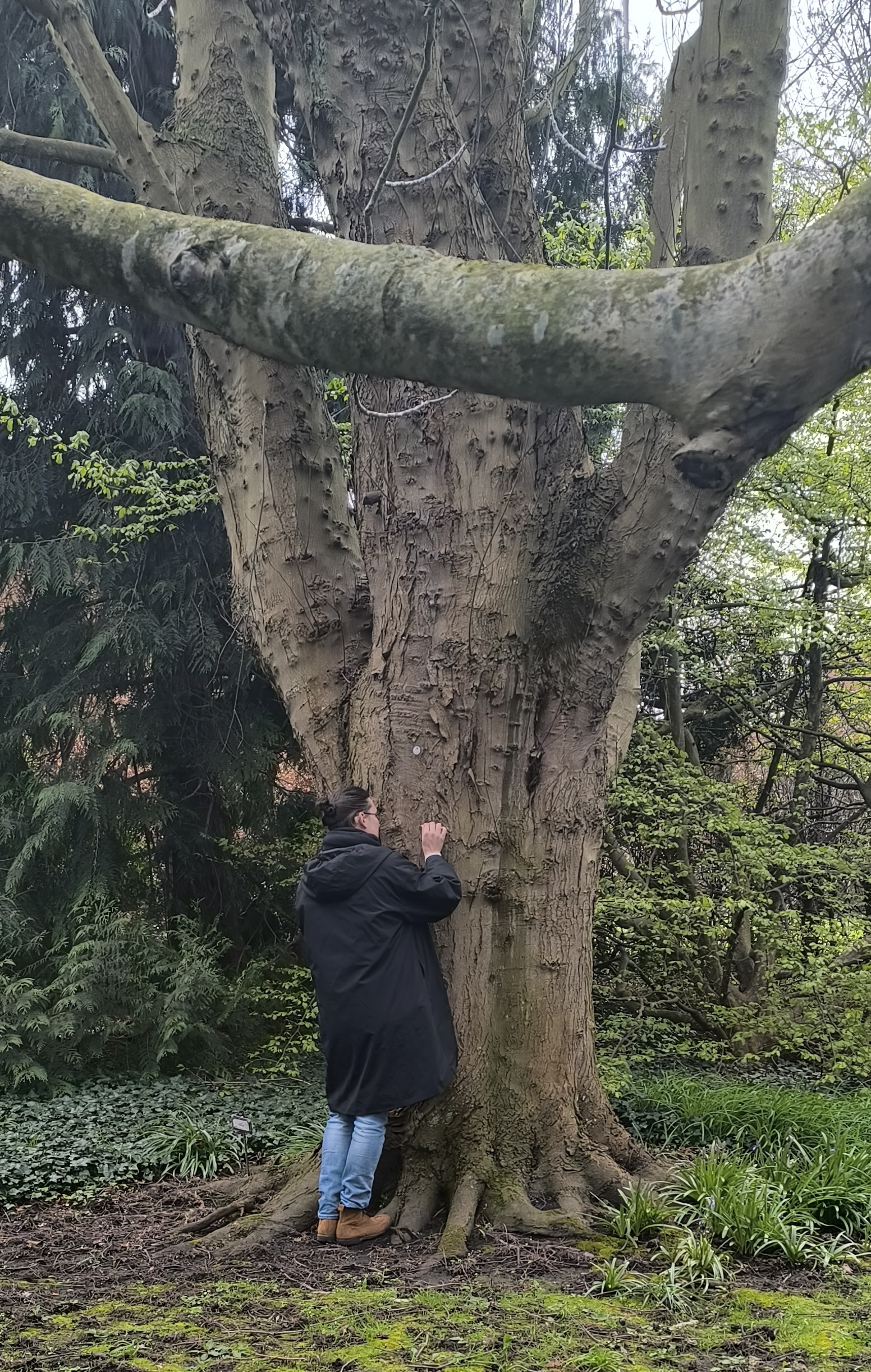
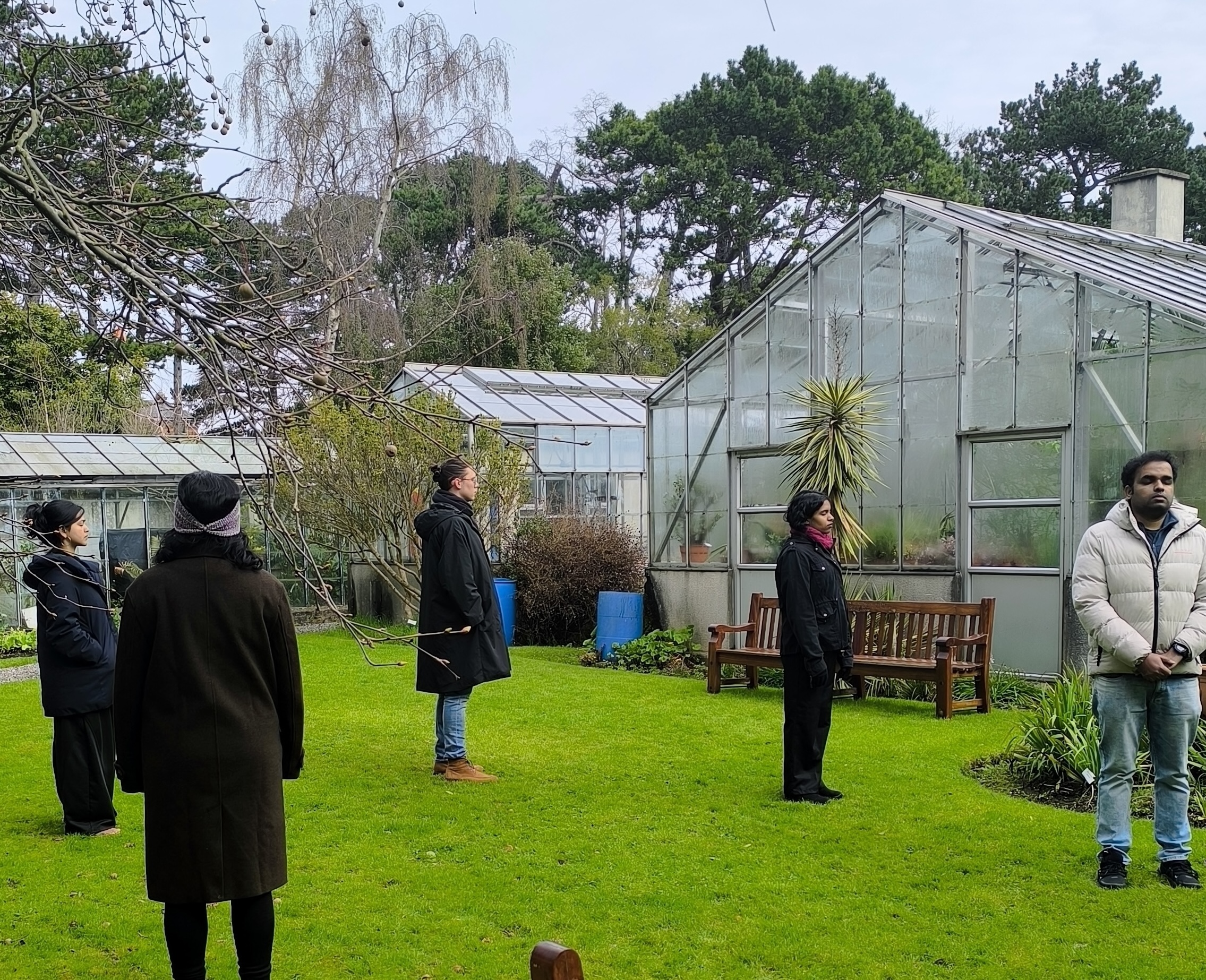
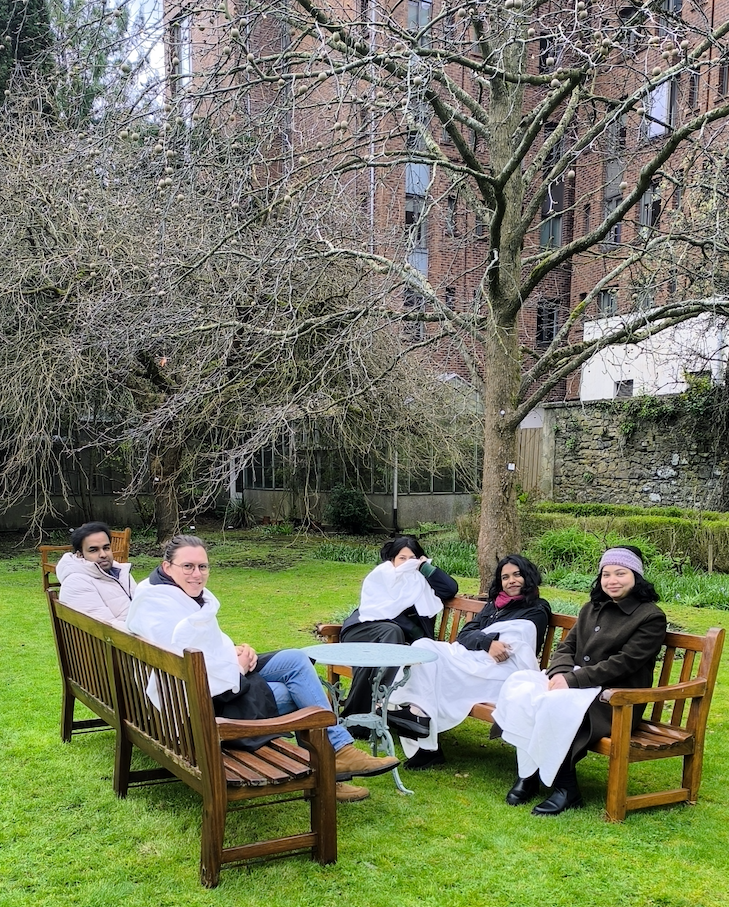
Nature as Medicine - Evaluating Forest Bathing for Student Wellbeing
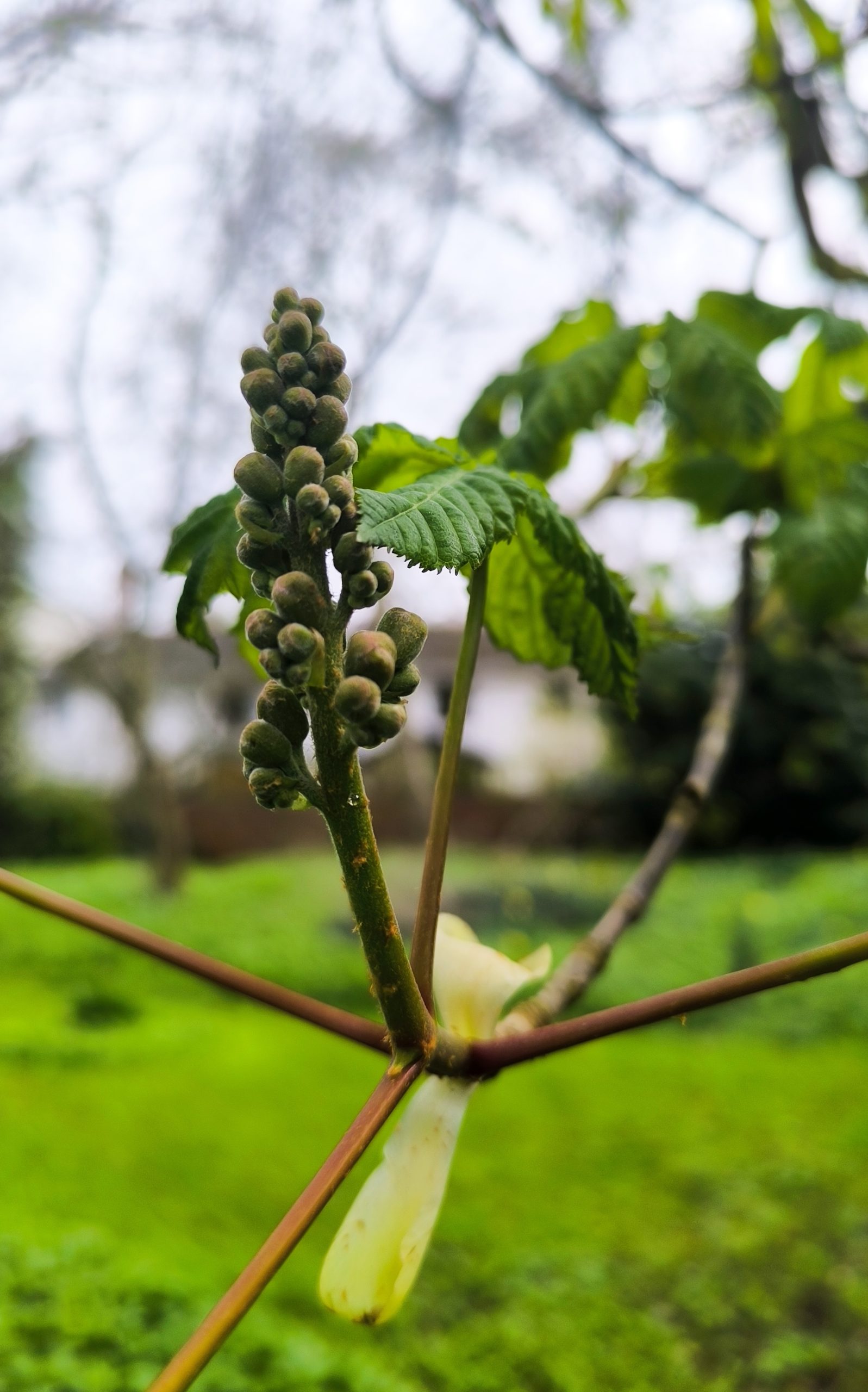
Forest bathing at Trinity College Botanic Gardens as a growing green prescription for student mental health