Tasmanian fossils reveal the 50-million-year-old history of mangroves
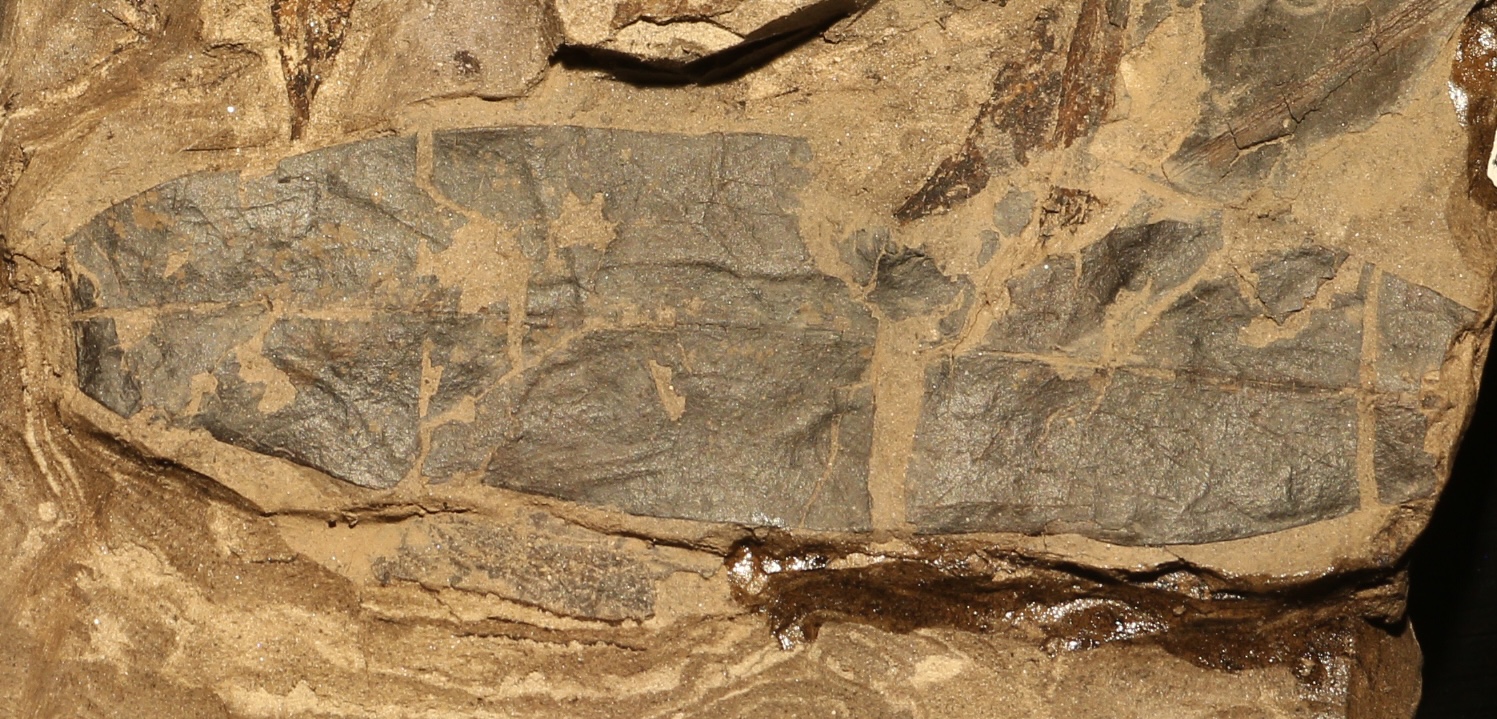
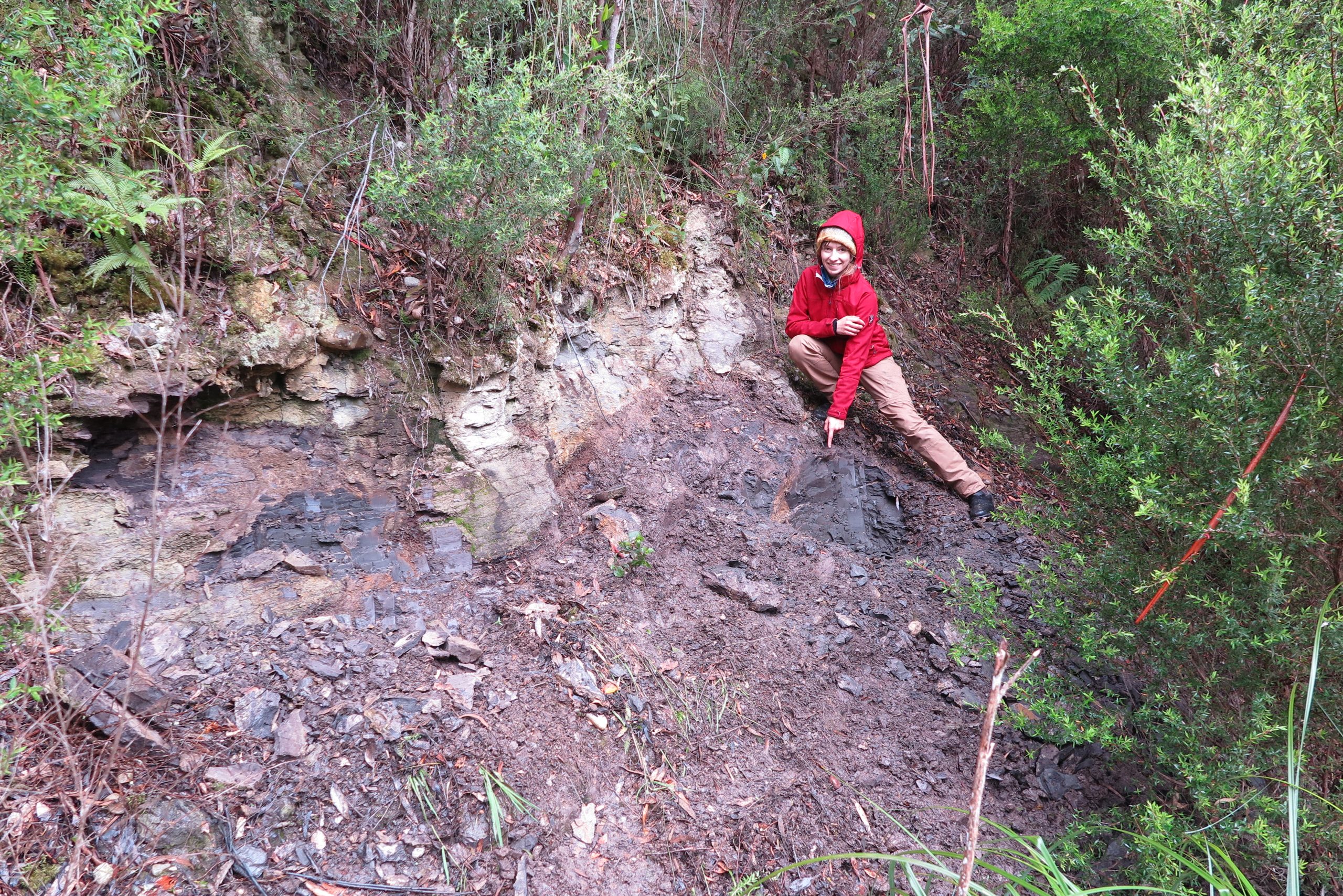
During a field campaign led by Dr Miriam Slodownik in remote western Tasmania in 2020, we recovered hundreds of fossil leaves more than 50 million years old. Little did we know then that, six years later, some of these leaves would turn out to be an entirely new genus and species of ancient mangrove.
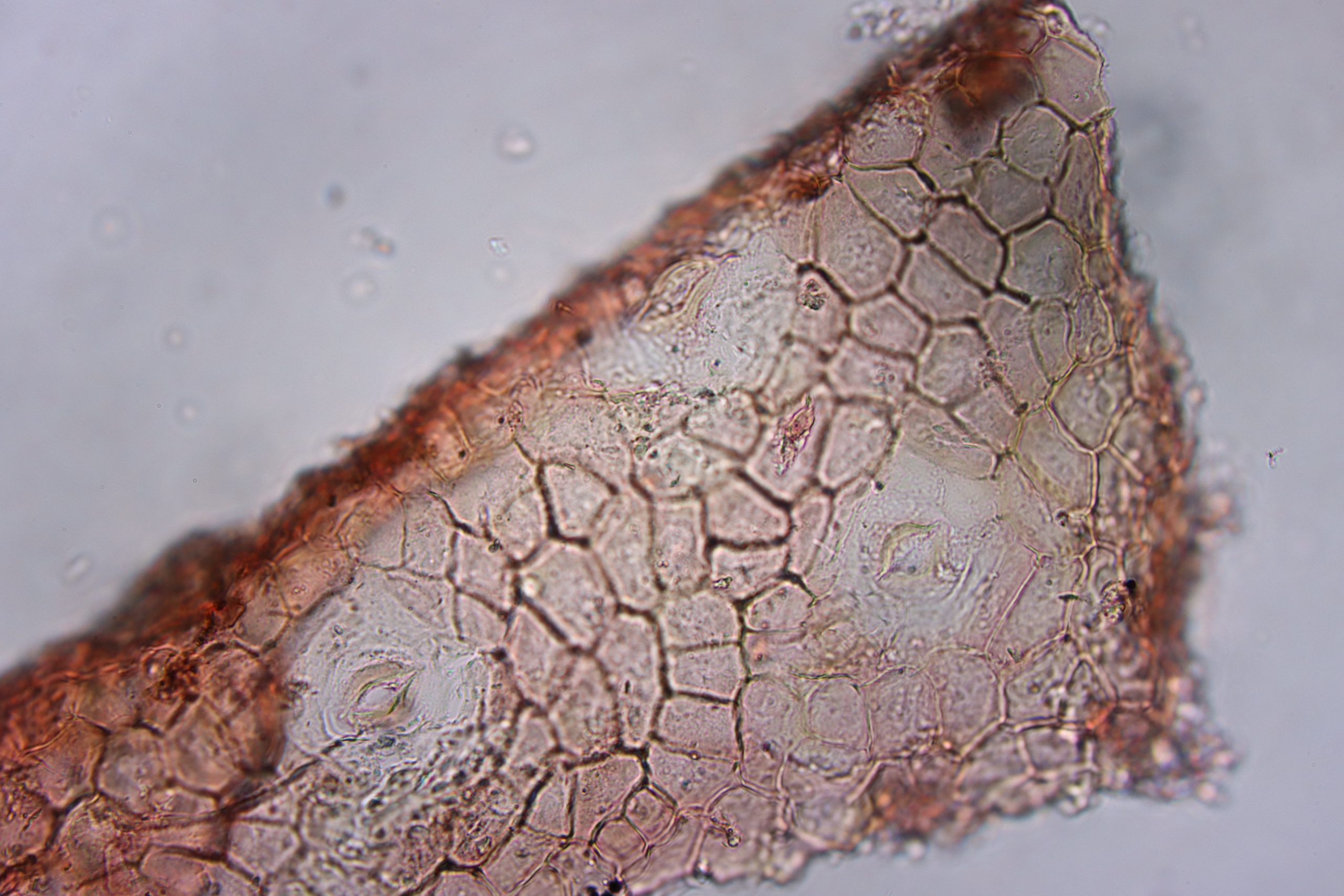
Our international research team, comprising Raymond J. Carpenter (Adelaide University), Miriam Slodownik (Trinity College Dublin), Chiou-Rong Sheue (National Chung Hsing University) and Gregory J. Jordan (University of Tasmania), has described these fossils as belonging to the plant tribe Rhizophoreae, a group of modern mangroves. The discovery provides evidence that mangroves thrived at high latitudes c. 65° South, far beyond today’s geographical limits, during a time of extremely warm global climates.
Importantly, the species name was developed in consultation with the Tasmanian Aboriginal Language Centre, recognising the cultural and linguistic heritage of the Aboriginal people of Tasmania. The species epithet is derived from palawa kani, the language of Tasmanian Aboriginal people, where pirukwi combined with muka-ti translates as ‘tree in the sea’.