Five years of monitoring trees for a more climate-resilient future
The Witness Tree Project is a long-term monitoring initiative that began in 2022 at the Trinity College Botanic Garden and expanded to the National Botanic Gardens in 2024. Each summer, researchers monitor 21 tree species to better understand how climate change is affecting tree health and resilience, while also investigating the important role these species play in retaining airborne pollutants in urban environments. The project has completed its 2026 summer fieldwork campaign this July.
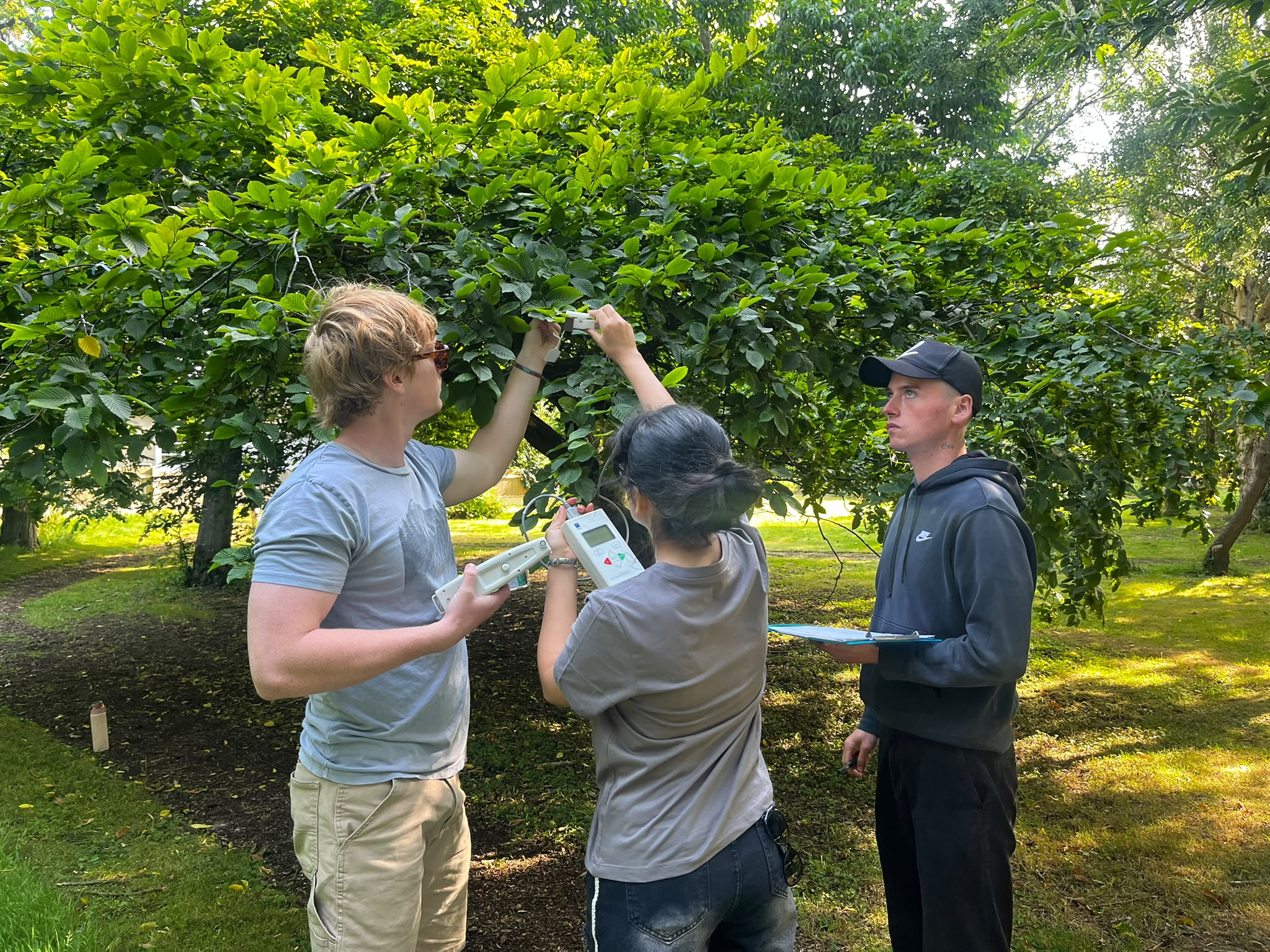
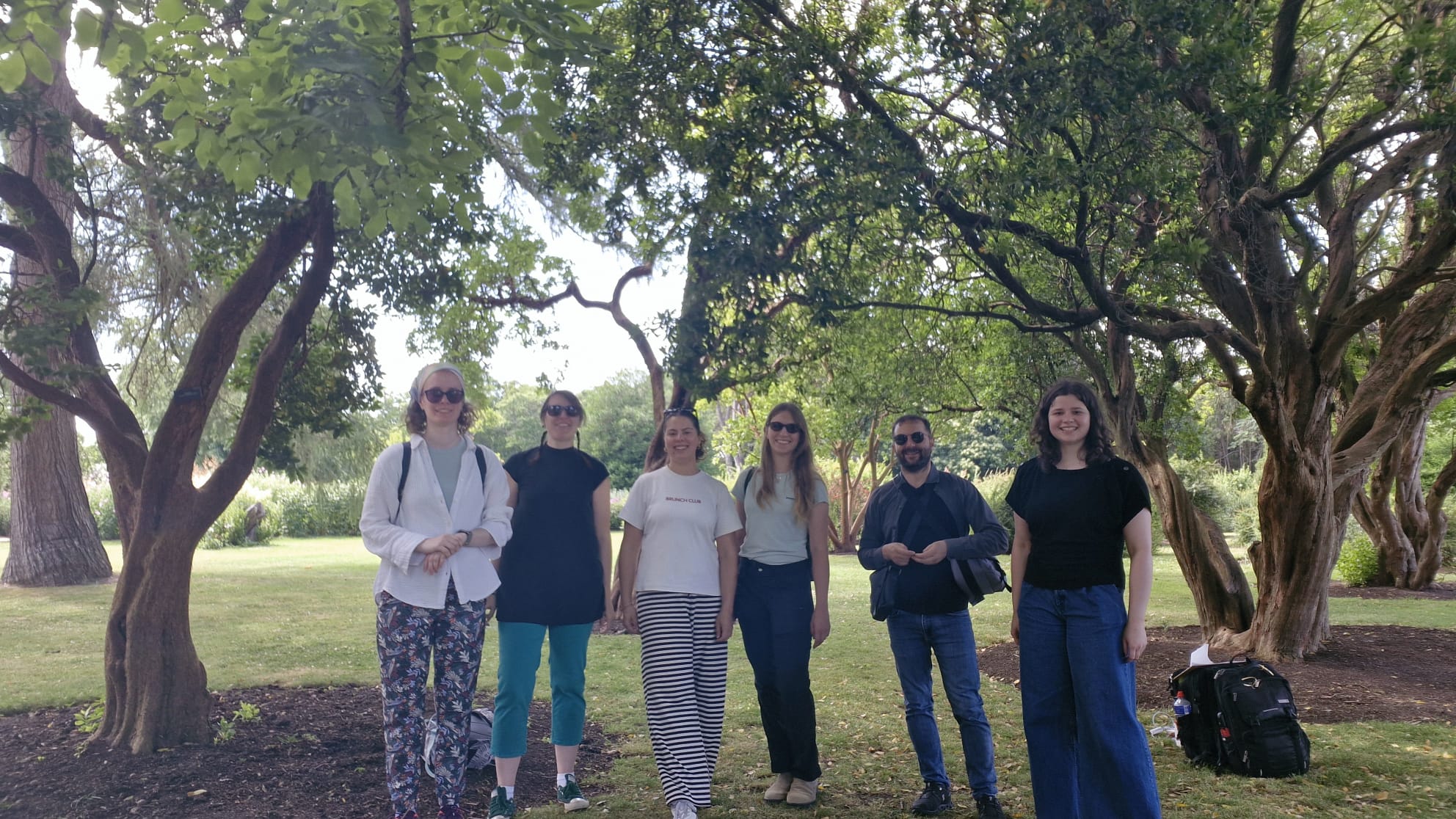
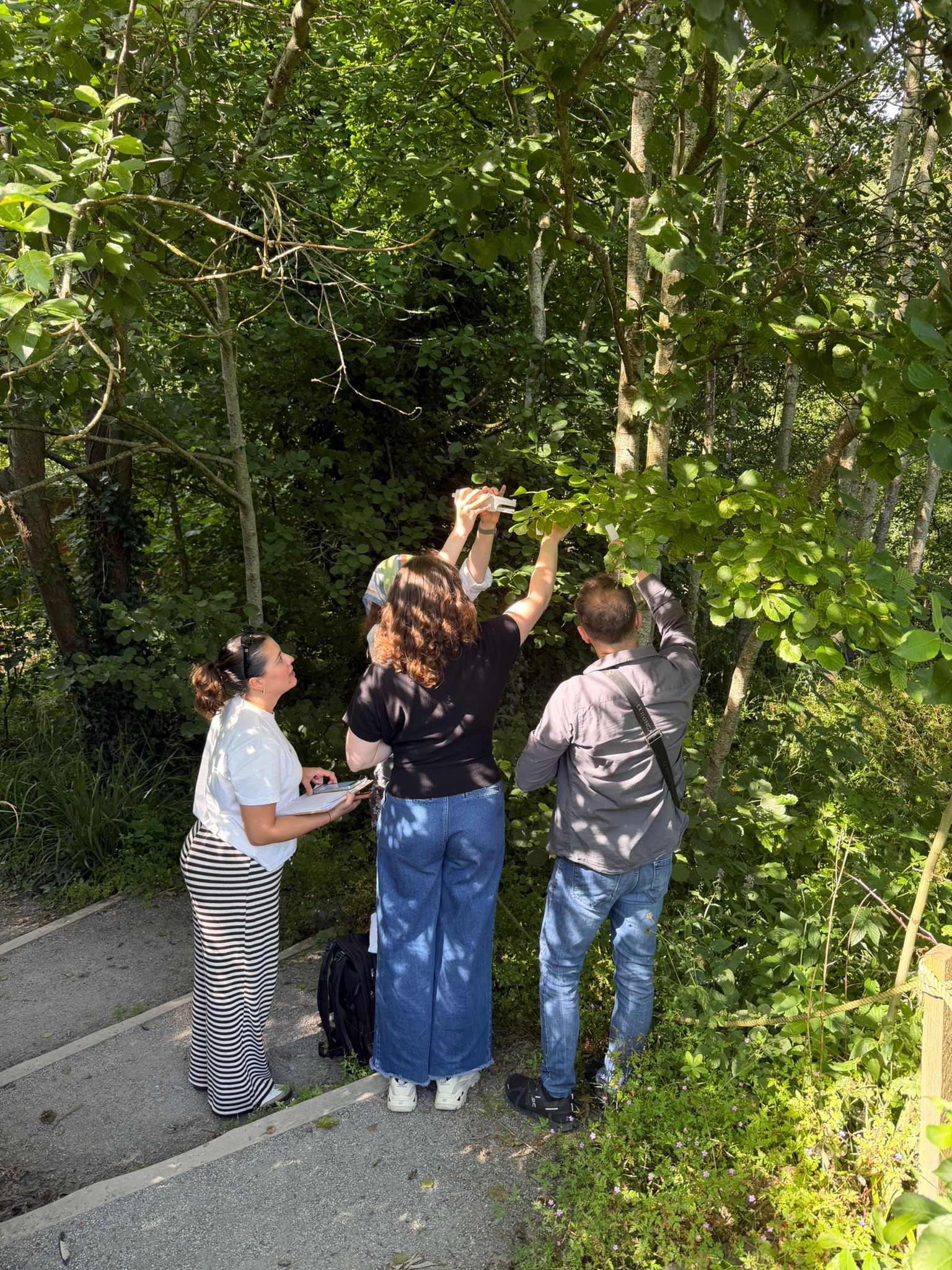
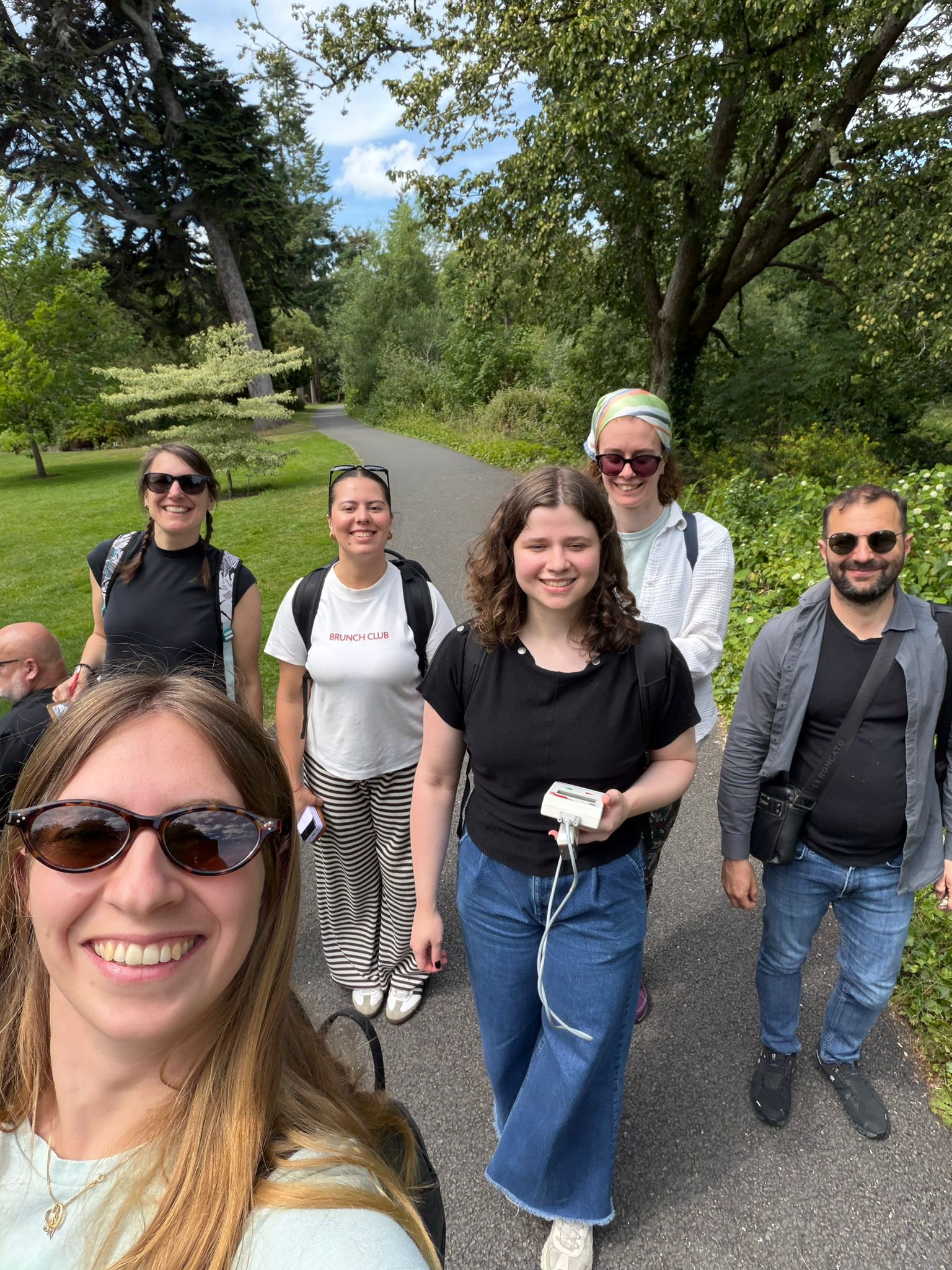
This year’s fieldwork was led by Dr. Leticia Figueiredo Candido at the National Botanic Gardens, together with intern Julia and volunteers Blanka and Chiara. At the Trinity College Botanic Garden, the Research Assistant Msc. Richard Slevin led the field team, supported by interns Charles, and Antony and volunteers Liza, and Qudseya. Members of the Plant–Climate Interaction Lab, including Dr. Christos Chondrogiannis, Dr. Michelle Murray, and Dr. Miriam Słodownik, also contributed to data collection, continuing their involvement from previous years. A huge thanks to everyone who contributed to the data collection and continues helping the project.
During the campaign, researchers collected a range of physiological measurements to assess tree health and resilience. These included stomatal conductance, leaf temperature, and chlorophyll fluorescence. Leaf samples were also collected for carbon isotope (δ¹³C) analysis, with the goal of providing insights into long-term water-use efficiency and how trees respond to environmental stress.
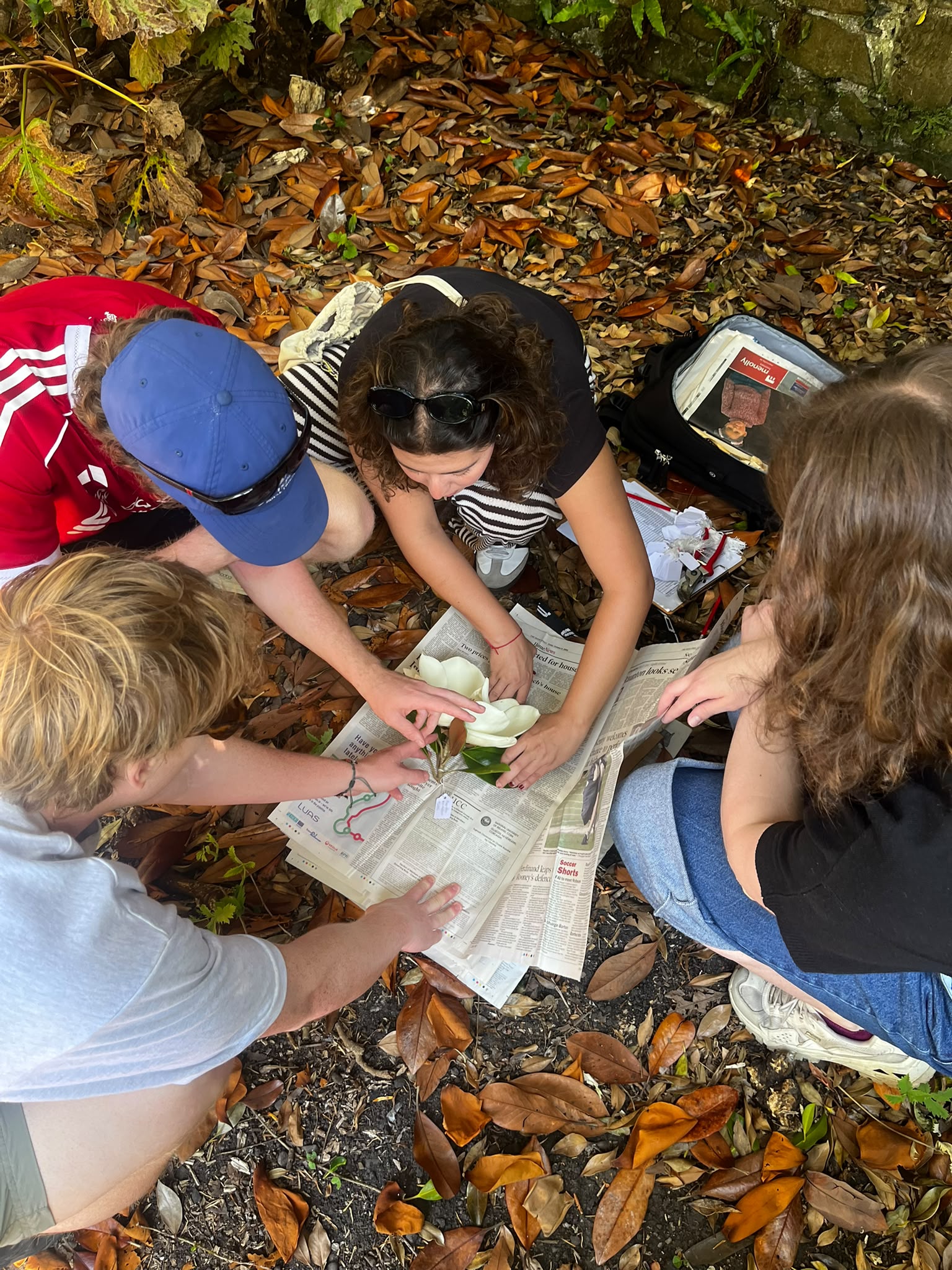
In addition, leaf samples were collected to quantify the amount and chemical composition of particulate matter retained by different tree species, helping researchers evaluate the ecosystem service that urban trees provide by improving air quality. The team also collected herbarium specimens from all monitored species, creating a permanent historical record of the trees while providing valuable material for future studies, these specimens will be available at the Trinity College Dublin Herbarium.
The project’s genetic component also continued in 2026. This work, initiated in 2025 by Dr. Ailbhe Brazel, aims to identify molecular biomarkers associated with environmental responses in selected species, including alder, hazel, common oak, and maidenhair tree. This year’s sampling was carried out by Dr. Brazel together with research assistant James, continuing the development of this important aspect of the project.
The data collected during the 2026 campaign will contribute to the project’s long-term dataset, helping researchers better understand how urban trees respond to changing environmental conditions and informing evidence-based strategies for selecting resilient tree species for future cities.