Hands-on environmental monitoring and plant physiology activities as part of the Witness Tree Project outreach programme
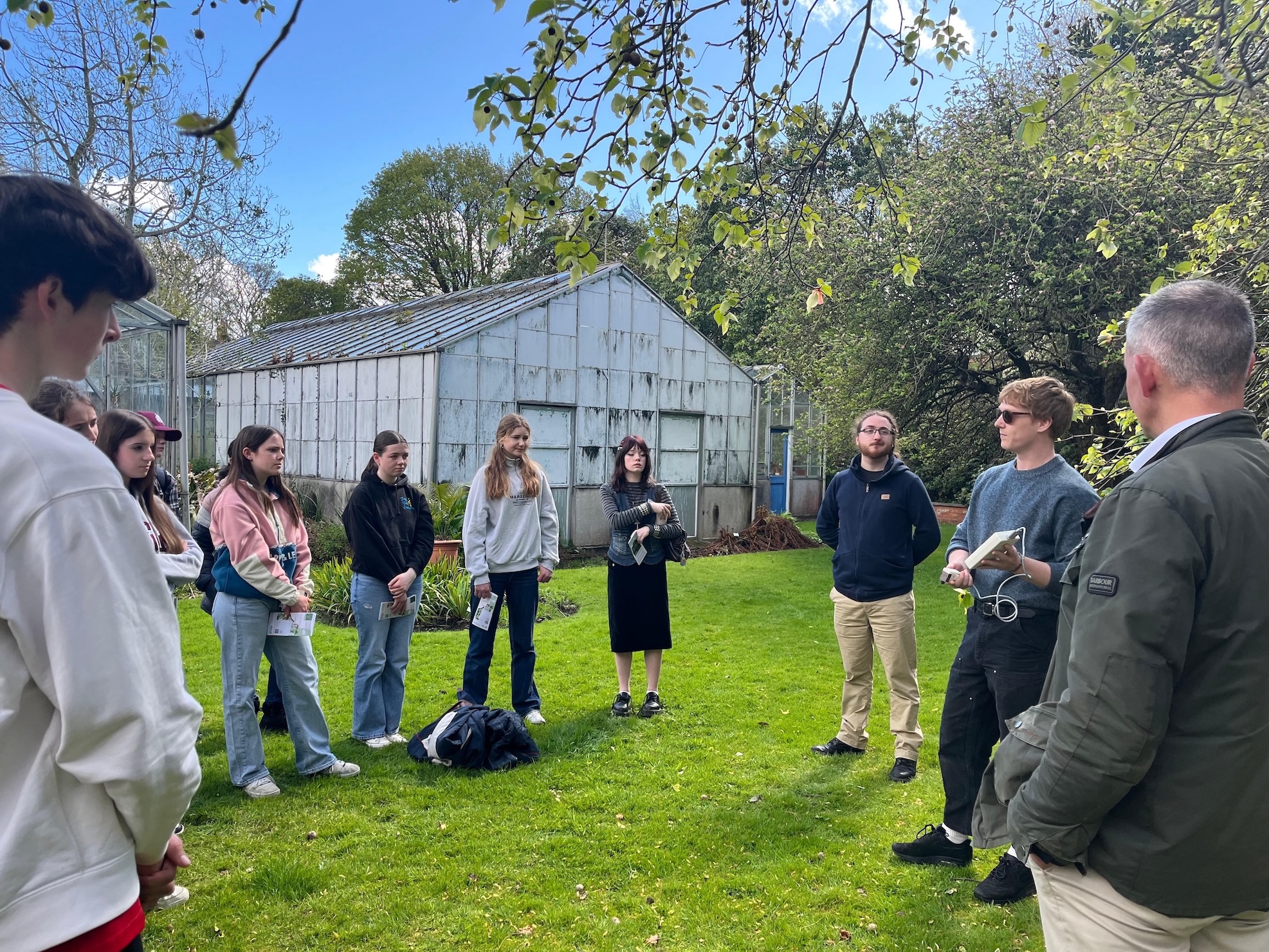
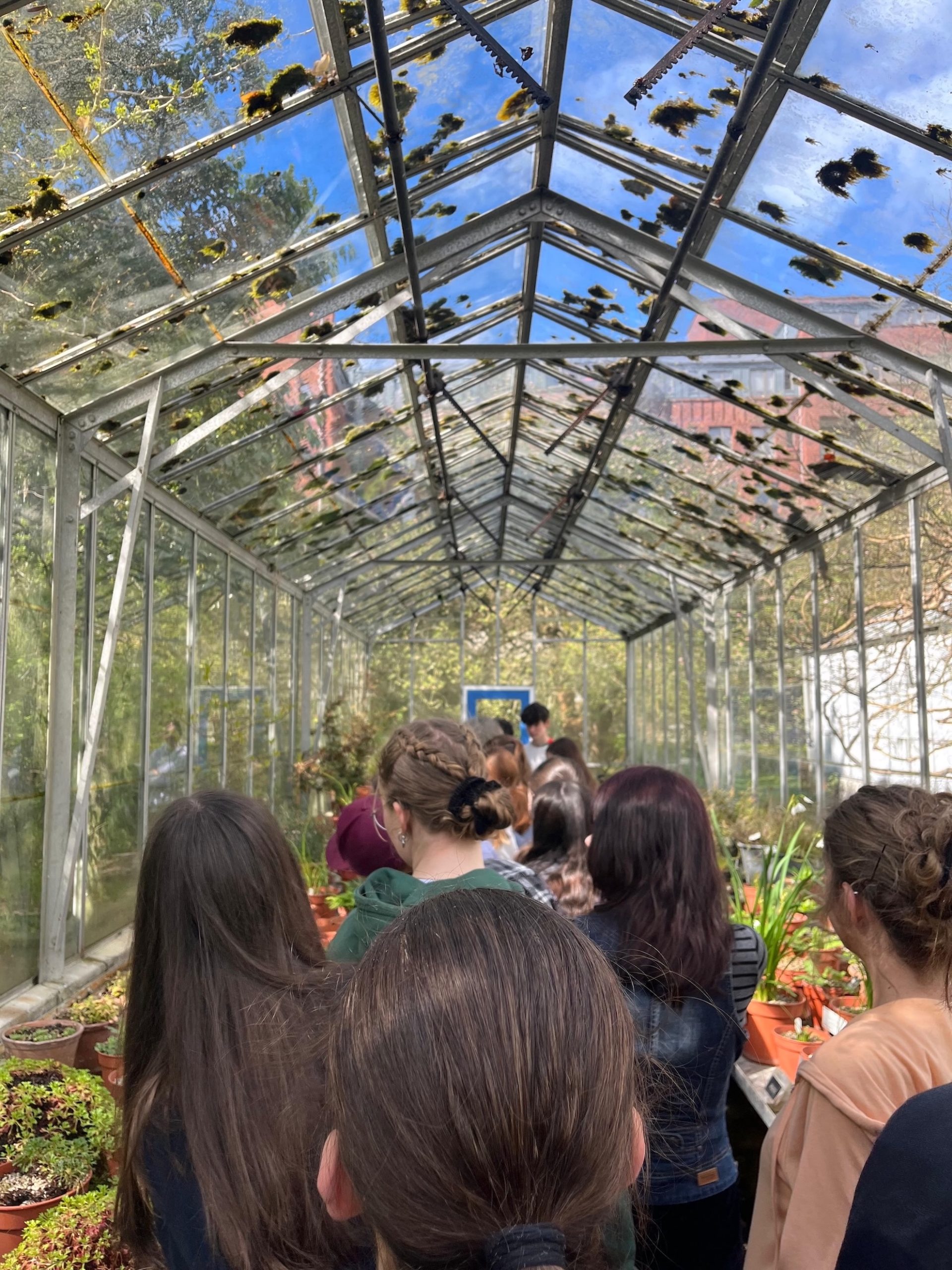
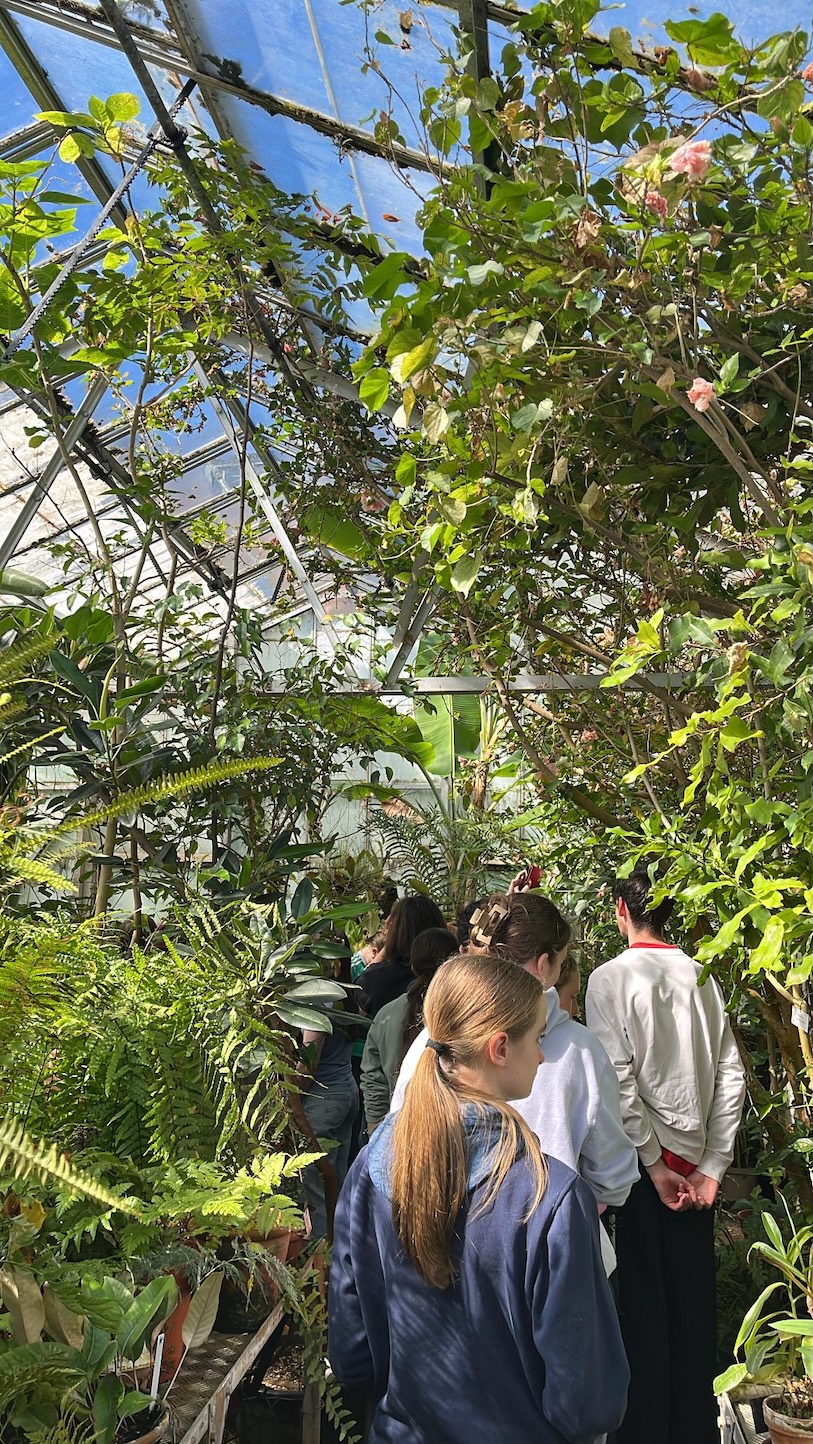
As part of the ongoing outreach activities of the Witness Tree Project, Dr Leticia Candido and Richard Slevin recently hosted a group of Transition Year students at the Trinity Botanic Gardens, introducing them to the world of plant ecophysiology and field-based environmental research.
Throughout the day, the students took part in a series of hands-on activities exploring how plants interact with their environment and respond to changing conditions. This included measuring stomatal conductance, photosynthetically active radiation (PAR), and red:far-red (R:FR) light ratios within different canopy environments using scientific field equipment and sensors.
Alongside the practical work, we discussed wider topics including plant stress physiology, canopy microclimates, atmospheric interactions with vegetation, and the influence of environmental conditions on plant function at both the leaf and ecosystem scale. The activities also highlighted the importance of urban vegetation and ecosystem monitoring in the context of climate change.
The workshop aimed to give students practical exposure to ecological field methods and real-time physiological measurements, while also demonstrating how plant science can be used to better understand environmental change. The students were highly engaged throughout the day and showed great curiosity about both the instrumentation and the ecological questions behind the measurements.