

How Ancient Vegetation Shaped Water Availability
How evolving plants transformed Earth’s water cycle during its last ice age.
A new paper by Will Matthaeus, Jenny McElwain, and colleagues, published in Global Ecology & Biogeography, examines how vegetation change influenced water balance during the Late Palaeozoic Ice Age. Using the paleo-ecosystem model Paleo-BGC v2.0, driven by CESM climate simulations for approximately 300 million years ago, the study examines how plant functional traits influenced hydrology under ancient icehouse conditions.
By comparing wet-adapted and dry-adapted plant types based on fossil trait data, the research shows that the shift toward drought-tolerant vegetation reduced runoff by up to 36%. This indicates that vegetation change alone had a major effect on water availability, independent of atmospheric CO₂ levels.
The findings highlight how plant evolution shaped Earth’s water cycle, reinforcing the spread of drought-tolerant species while limiting water-dependent lineages. The work forms part of the ERC-funded TERRAFORM project, led by Professor Jenny McElwain, which investigates how plants have transformed Earth system processes through geological time.
Read the paper here: Global Ecology & Biogeography
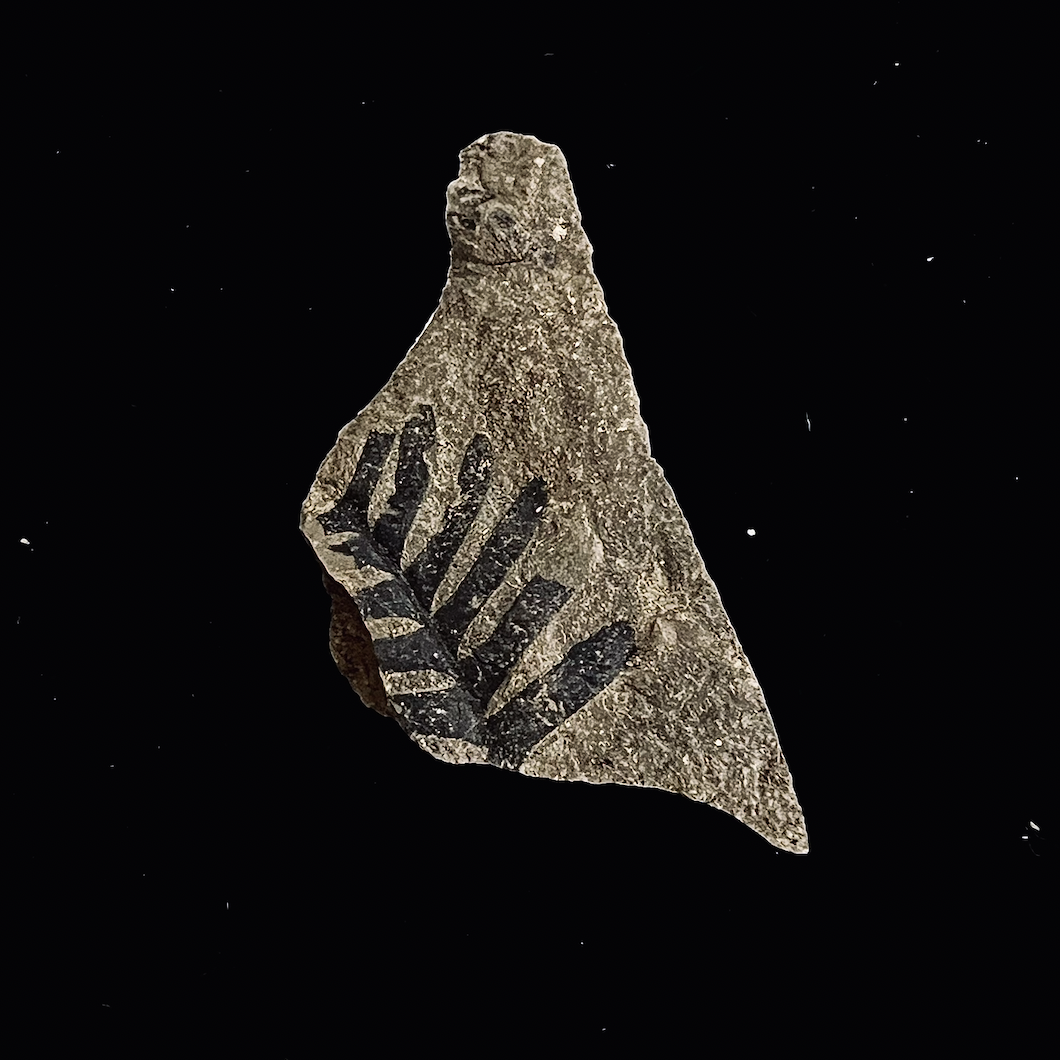
Greenland fossils uncover ancient climate crisis
Fossil plants reveal ecosystem change at the end-Triassic.
We are delighted to announce a new publication from our group:
“Census collection of two fossil plant localities in Jameson Land, East Greenland supports regional ecological turnover and diversity loss at the end-Triassic mass extinction.”
This research provides new insight into how ancient plant communities in East Greenland were affected during one of Earth’s most dramatic biodiversity crises – the end-Triassic mass extinction (~201 million years ago). By conducting detailed fossil census collections, our team was able to reconstruct changes in plant diversity and community structure across this critical interval. The results highlight significant ecological turnover and diversity loss, reflecting how global environmental stress reshaped ecosystems at the time. The study also demonstrates how fossil plant records can be used to track the ecological consequences of past climate crises, knowledge that is increasingly relevant as we seek to understand biodiversity responses to rapid environmental change today.
This paper marks an exciting milestone for Antonietta Knetge, PhD student in the Plant Climate Lab, who led the work as her first first-author publication. Congratulations, Antonietta!
We also acknowledge the excellent contributions of Catarina Barbosa and William Matthaeus through the ERC-funded Terraform project, as well as the leadership of Professor Jennifer McElwain. Our thanks go to all our collaborators who helped bring this study to fruition.
The paper is open access and available: https://www.sciencedirect.com/science/article/pii/S0031018225005516