
Witness Trees Project 2026 Fieldwork Campaign
Five years of monitoring trees for a more climate-resilient future
The Witness Tree Project is a long-term monitoring initiative that began in 2022 at the Trinity College Botanic Garden and expanded to the National Botanic Gardens in 2024. Each summer, researchers monitor 21 tree species to better understand how climate change is affecting tree health and resilience, while also investigating the important role these species play in retaining airborne pollutants in urban environments. The project has completed its 2026 summer fieldwork campaign this July.
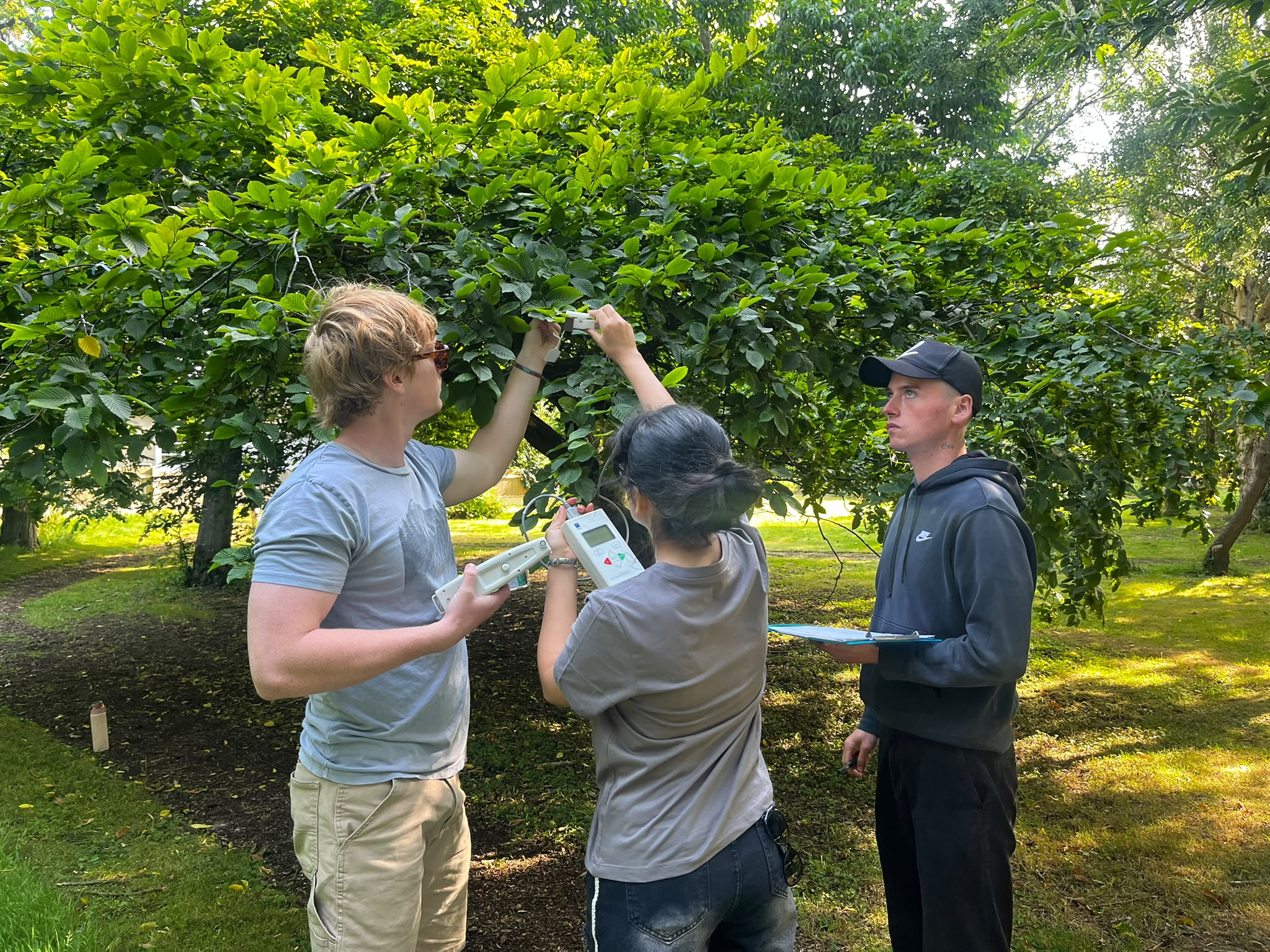
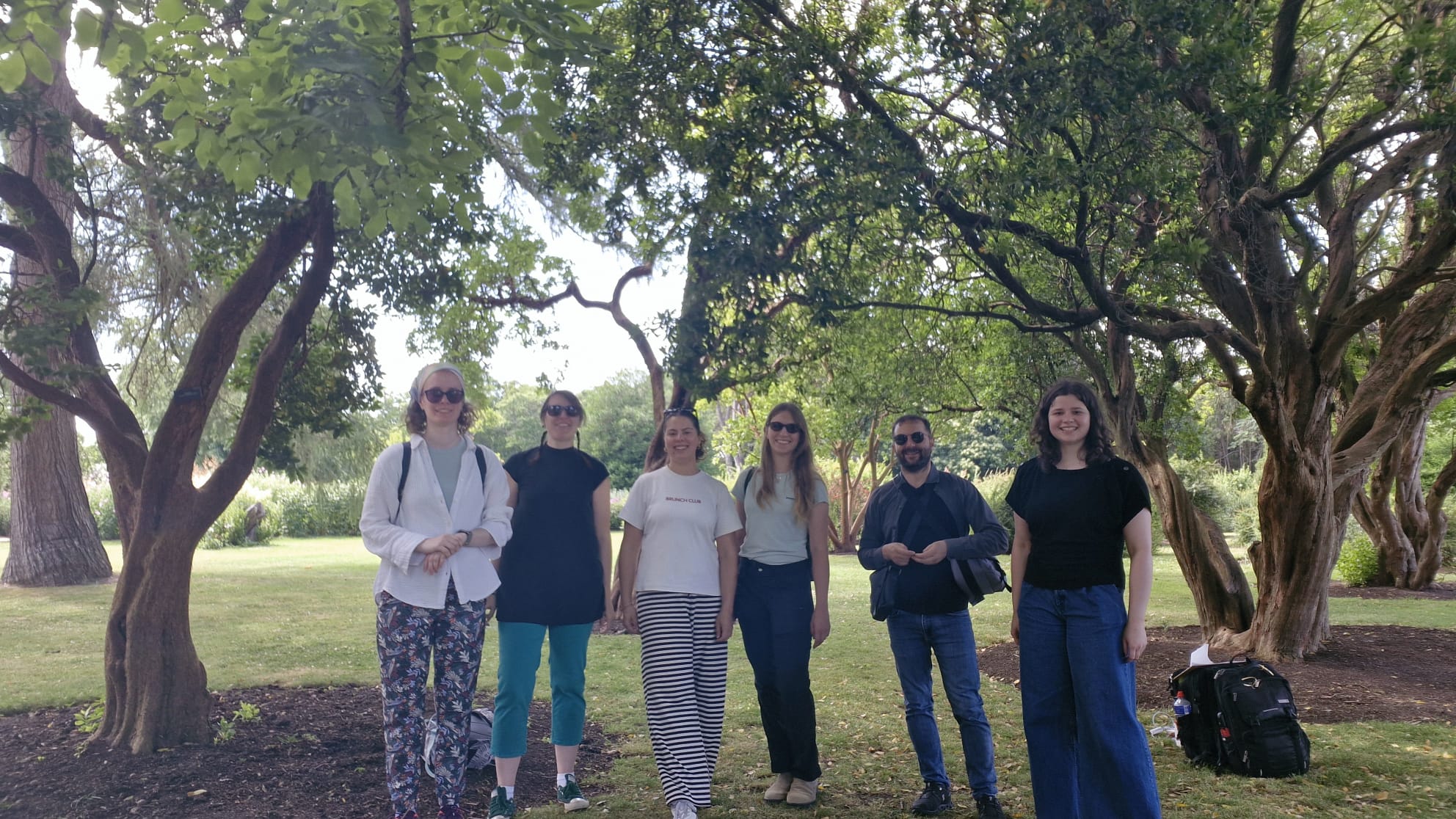
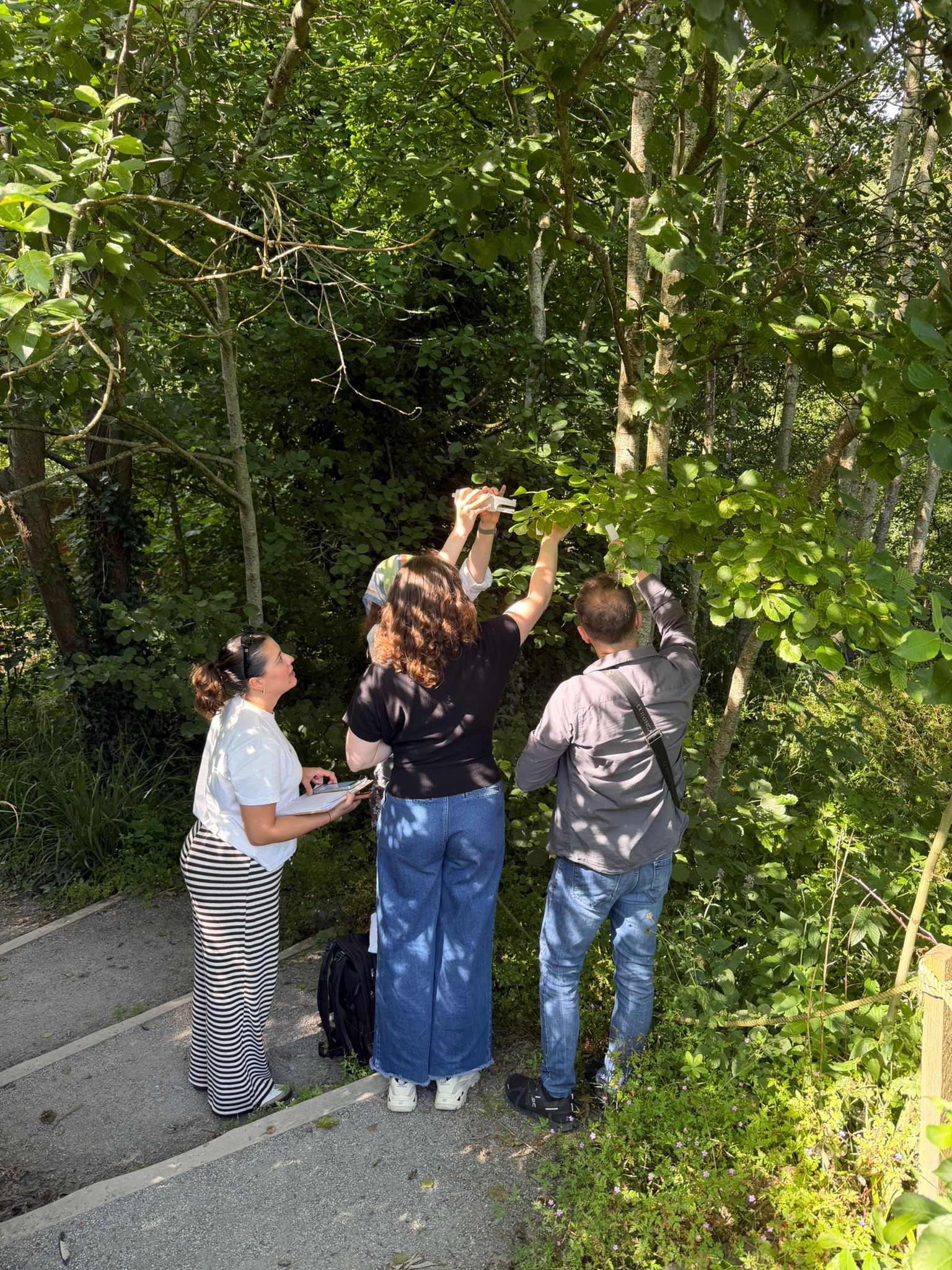
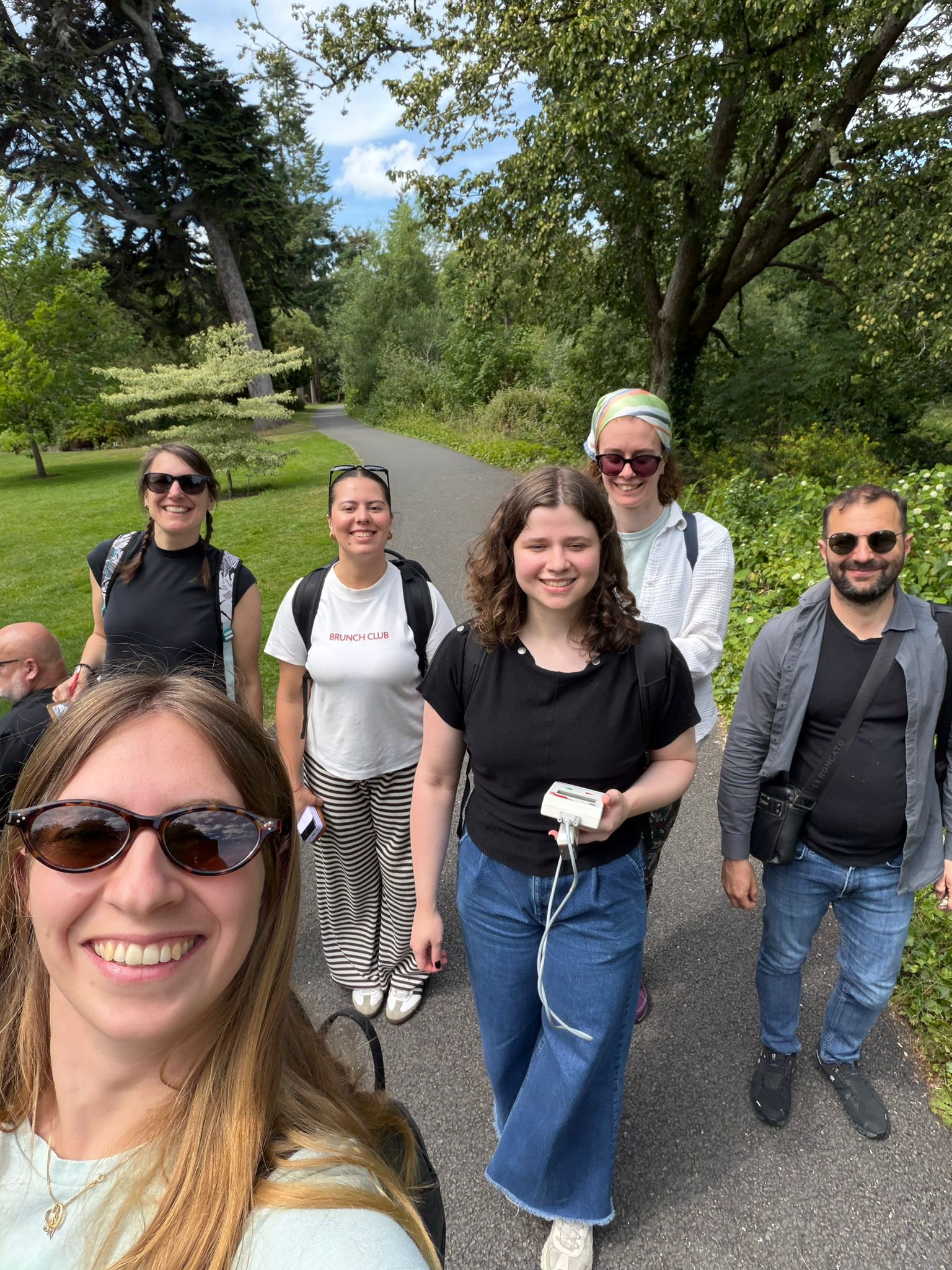
This year’s fieldwork was led by Dr. Leticia Figueiredo Candido at the National Botanic Gardens, together with intern Julia and volunteers Blanka and Chiara. At the Trinity College Botanic Garden, the Research Assistant Msc. Richard Slevin led the field team, supported by interns Charles, and Antony and volunteers Liza, and Qudseya. Members of the Plant–Climate Interaction Lab, including Dr. Christos Chondrogiannis, Dr. Michelle Murray, and Dr. Miriam Słodownik, also contributed to data collection, continuing their involvement from previous years. A huge thanks to everyone who contributed to the data collection and continues helping the project.
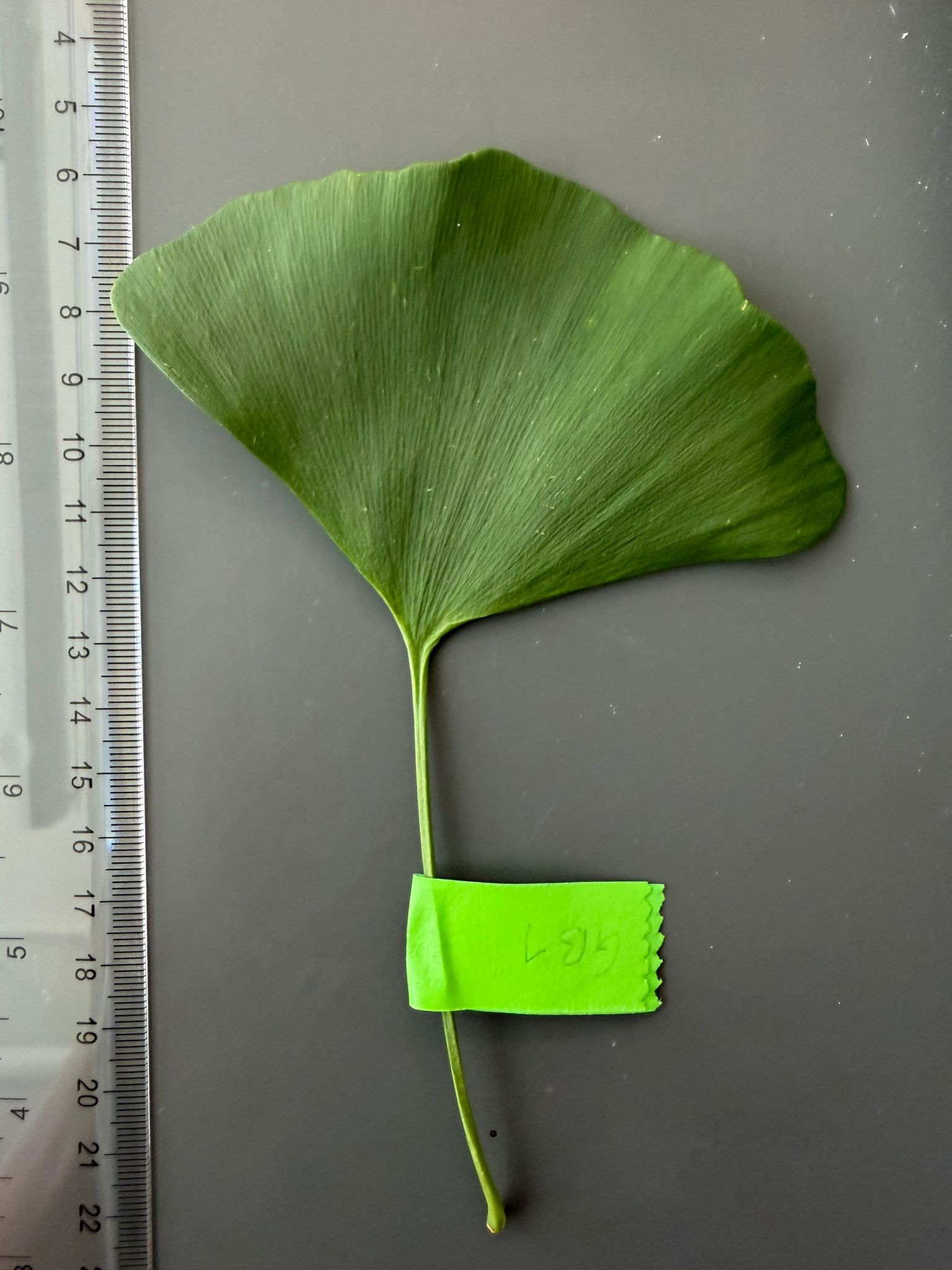
During the campaign, researchers collected a range of physiological measurements to assess tree health and resilience. These included stomatal conductance, leaf temperature, and chlorophyll fluorescence. Leaf samples were also collected for carbon isotope (δ¹³C) analysis, with the goal of providing insights into long-term water-use efficiency and how trees respond to environmental stress.
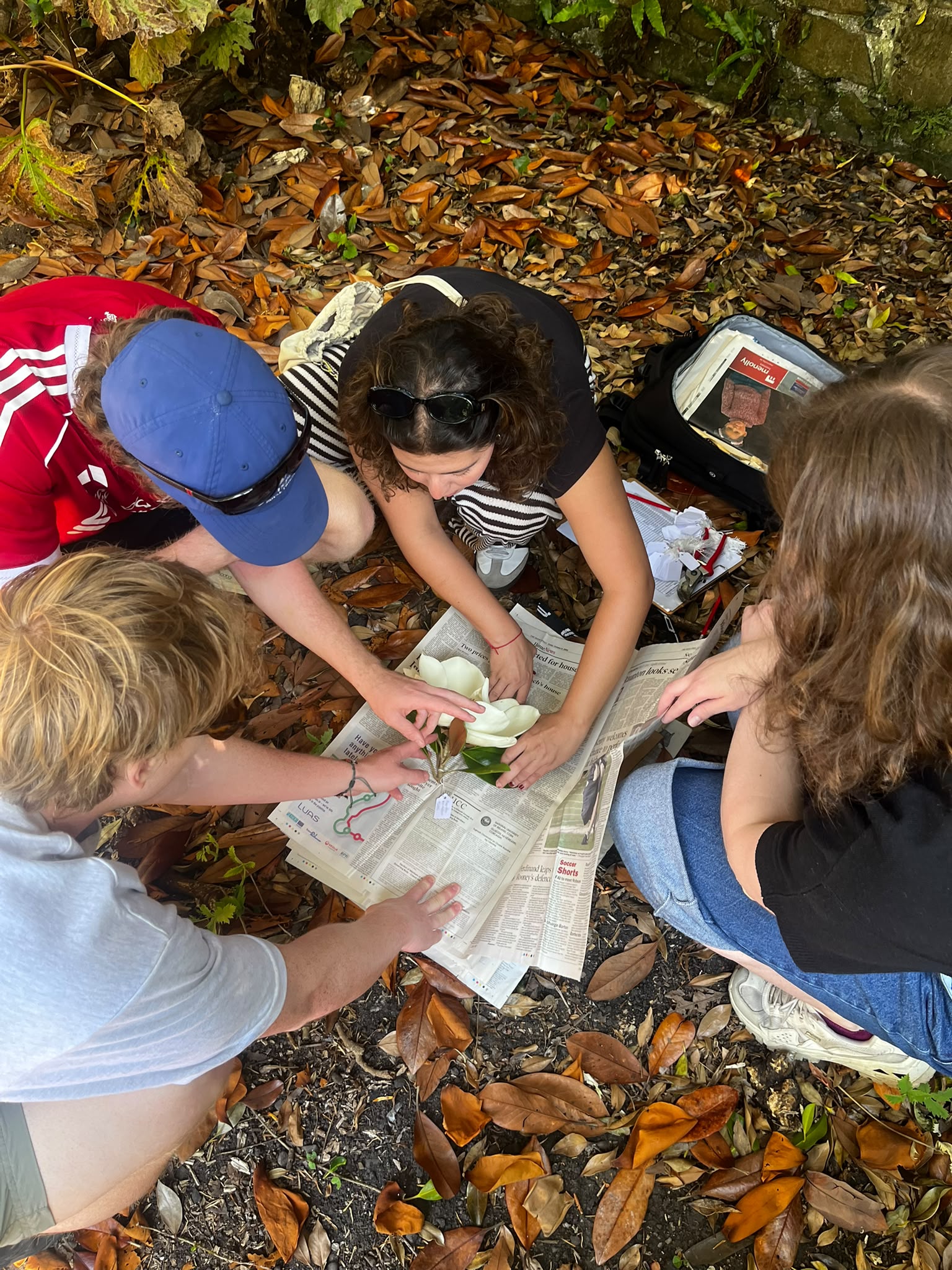
In addition, leaf samples were collected to quantify the amount and chemical composition of particulate matter retained by different tree species, helping researchers evaluate the ecosystem service that urban trees provide by improving air quality. The team also collected herbarium specimens from all monitored species, creating a permanent historical record of the trees while providing valuable material for future studies, these specimens will be available at the Trinity College Dublin Herbarium.
The project’s genetic component also continued in 2026. This work, initiated in 2025 by Dr. Ailbhe Brazel, aims to identify molecular biomarkers associated with environmental responses in selected species, including alder, hazel, common oak, and maidenhair tree. This year’s sampling was carried out by Dr. Brazel together with research assistant James, continuing the development of this important aspect of the project.
The data collected during the 2026 campaign will contribute to the project’s long-term dataset, helping researchers better understand how urban trees respond to changing environmental conditions and informing evidence-based strategies for selecting resilient tree species for future cities.



How will pioneer salt marsh plants respond to rising CO2?
How will pioneer salt marsh plants respond to rising CO₂?
In the VAL Lab, a new experiment is underway using the PGC20 Growth Chambers. Over the next six months, Jenny Clarke – a second-year PhD researcher co-supervised by Iris Moller (Geography) and Jennifer McElwain (Botany) – will use the chambers to investigate the potential impacts of climate change on two species of pioneer salt marsh plants.
Jenny is growing Spartina anglica and Salicornia europaea under two scenarios: current climate conditions and a potential future, high-CO₂ climate. By comparing the two, she aims to determine how rising atmospheric CO₂ concentrations may affect the germination, establishment, and biophysical properties of each species.
To recreate a working salt marsh inside each chamber, Jenny uses a two-tank system. One tank represents the marsh itself, holding pots of tidal flat mud sown with seeds of one or both species collected from her field site on North Bull Island in Dublin Bay; the other supplies a reservoir of artificial seawater that floods the marsh semi-diurnally, reproducing the twice-daily tidal rhythm experienced by the pioneer zone at North Bull Island.
The ‘current’ climate conditions simulated by the chambers are informed directly by data collected at a monitoring station set up at her field site on North Bull Island. The raised-CO₂ conditions mirror these current settings in every respect except atmospheric CO₂, which is elevated to 820 ppm, in line with the IPCC’s SSP3-7.0 projection for the year 2100.
Salt marshes are among the most valuable habitats on our coastlines: they sequester large amounts of carbon, buffer the shore against storms and erosion, and support rich communities of plants, birds, and invertebrates. They are also highly sensitive to environmental change. By focusing on the pioneer species that first colonise the bare tidal flat, allowing marshes to establish and expand, Jenny’s work should help clarify how these critical ecosystems might respond as the climate continues to change over the coming century.


Cells to Ecosystems Summer School in Philadelphia, USA
Cells to Ecosystems Summer School in Philadelphia, USA
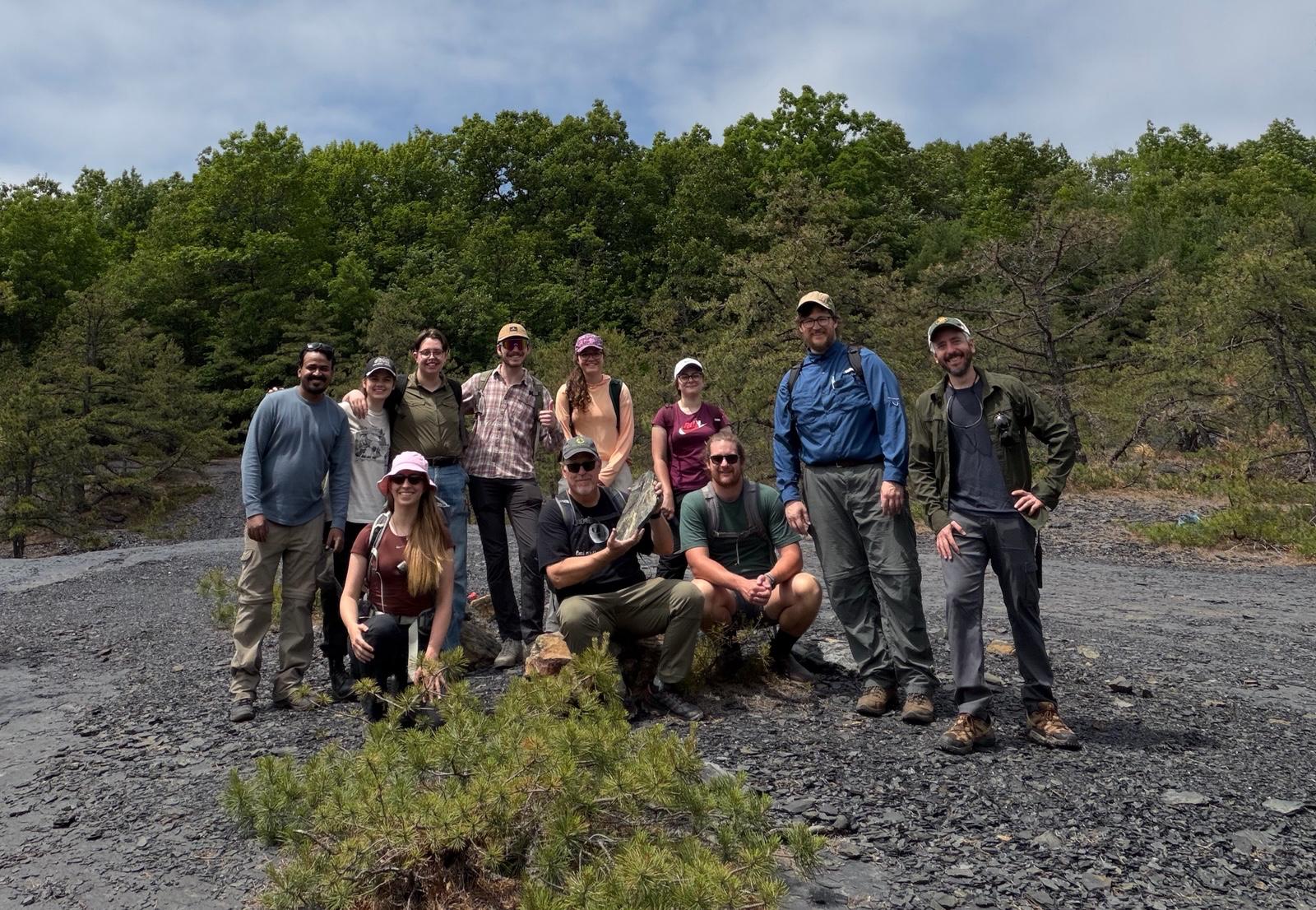
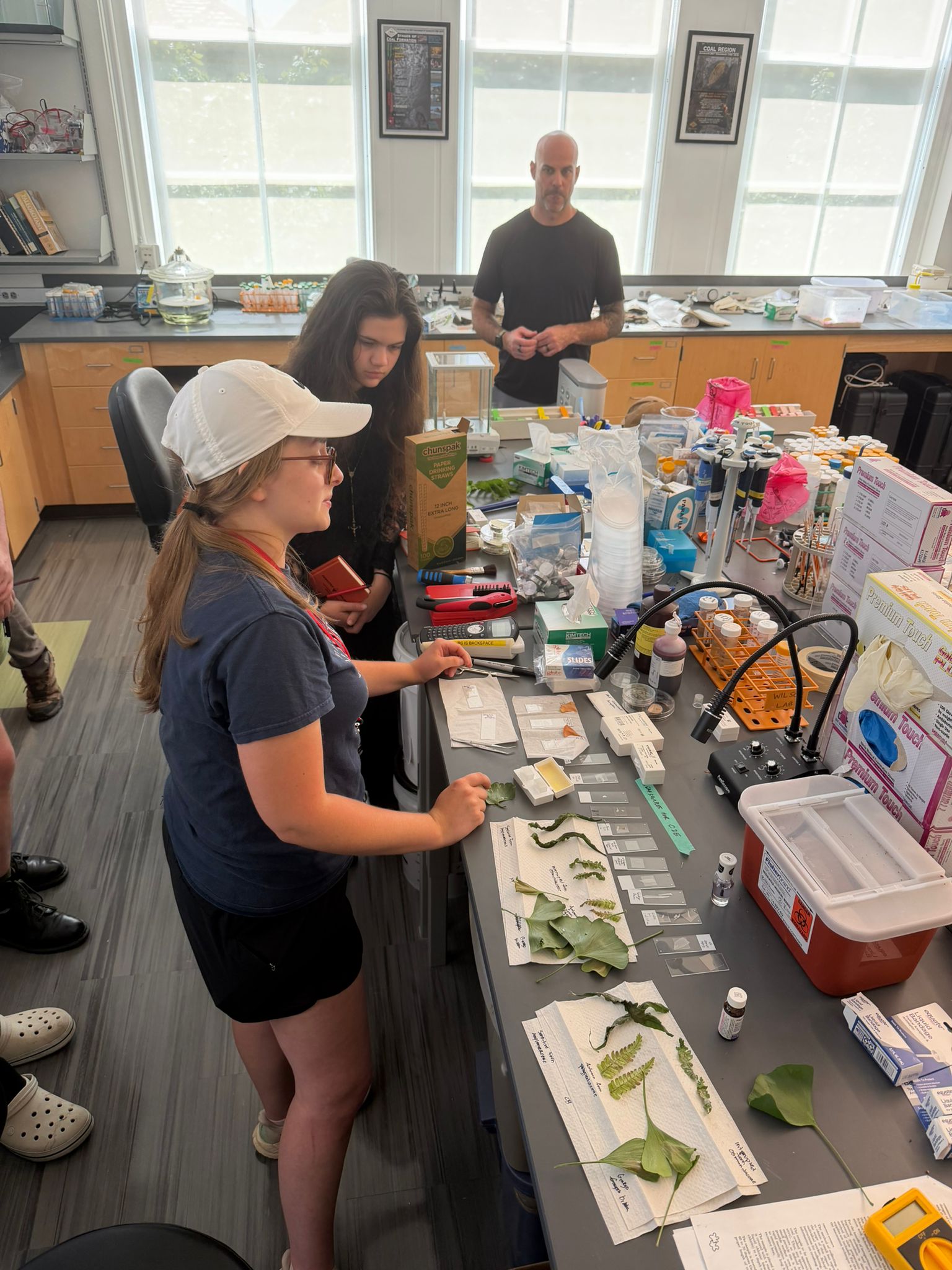
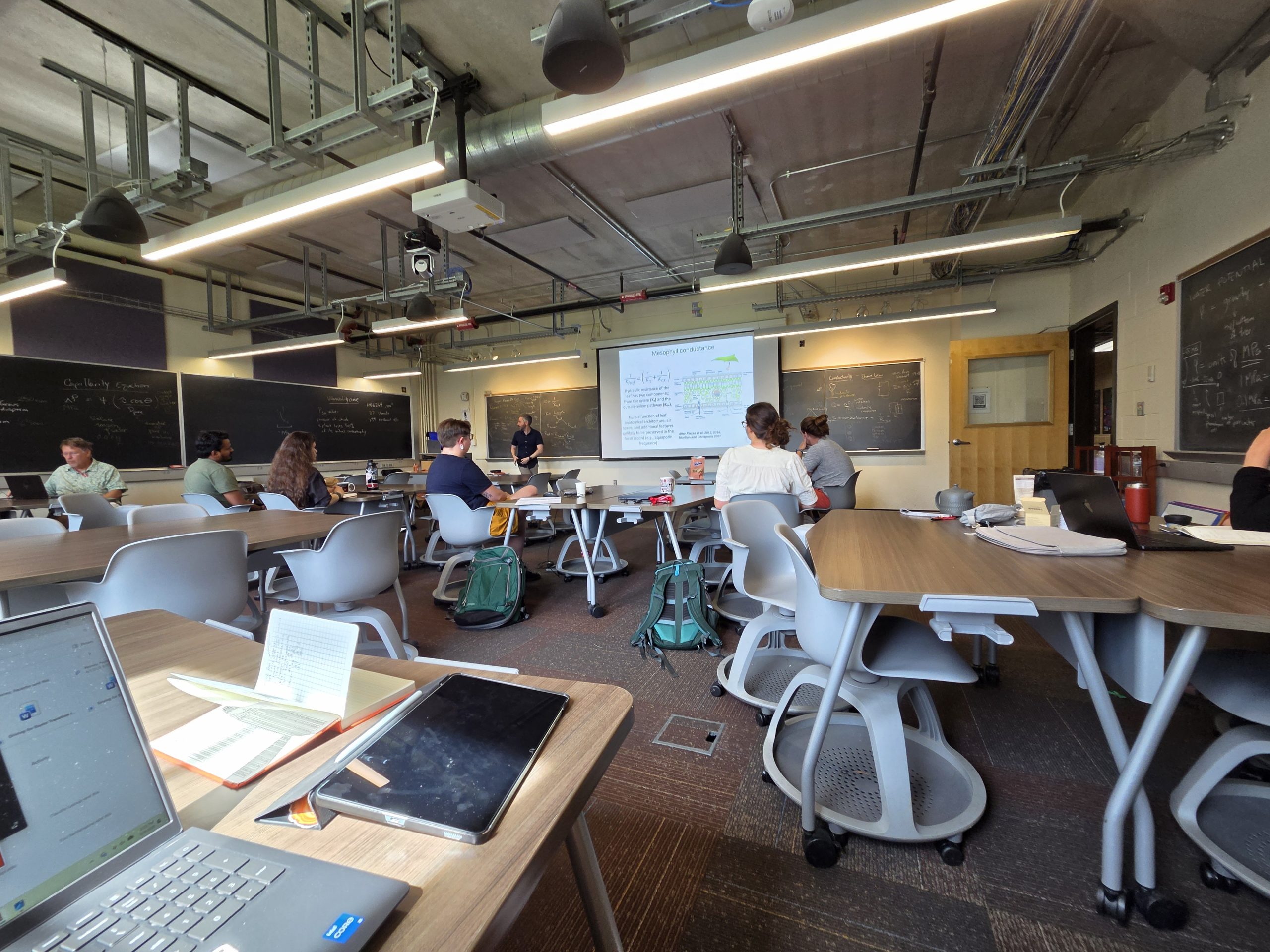
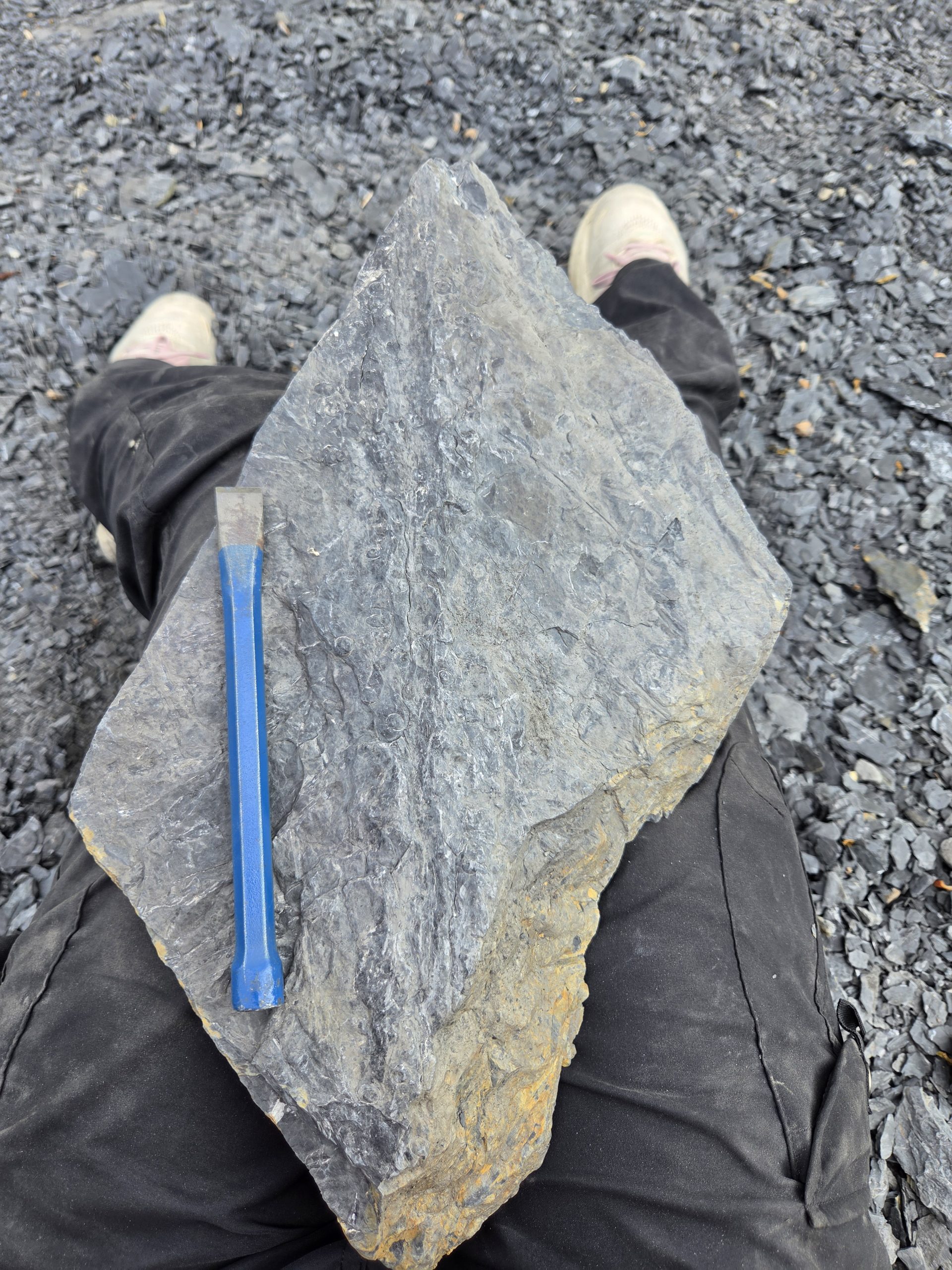
This summer, two members of our lab attended the Cells to Ecosystems Summer School at Haverford Campus in Philadelphia, Pennsylvania, USA. This programme offered participants in-depth training in trait-based palaeobotany and highlighted how plants can be used as tools to understand Earth systems and vegetation in Earth’s history. The course covered methods like field-based plant physiology measurements, fossil collection and analyses, as well as computational modelling.
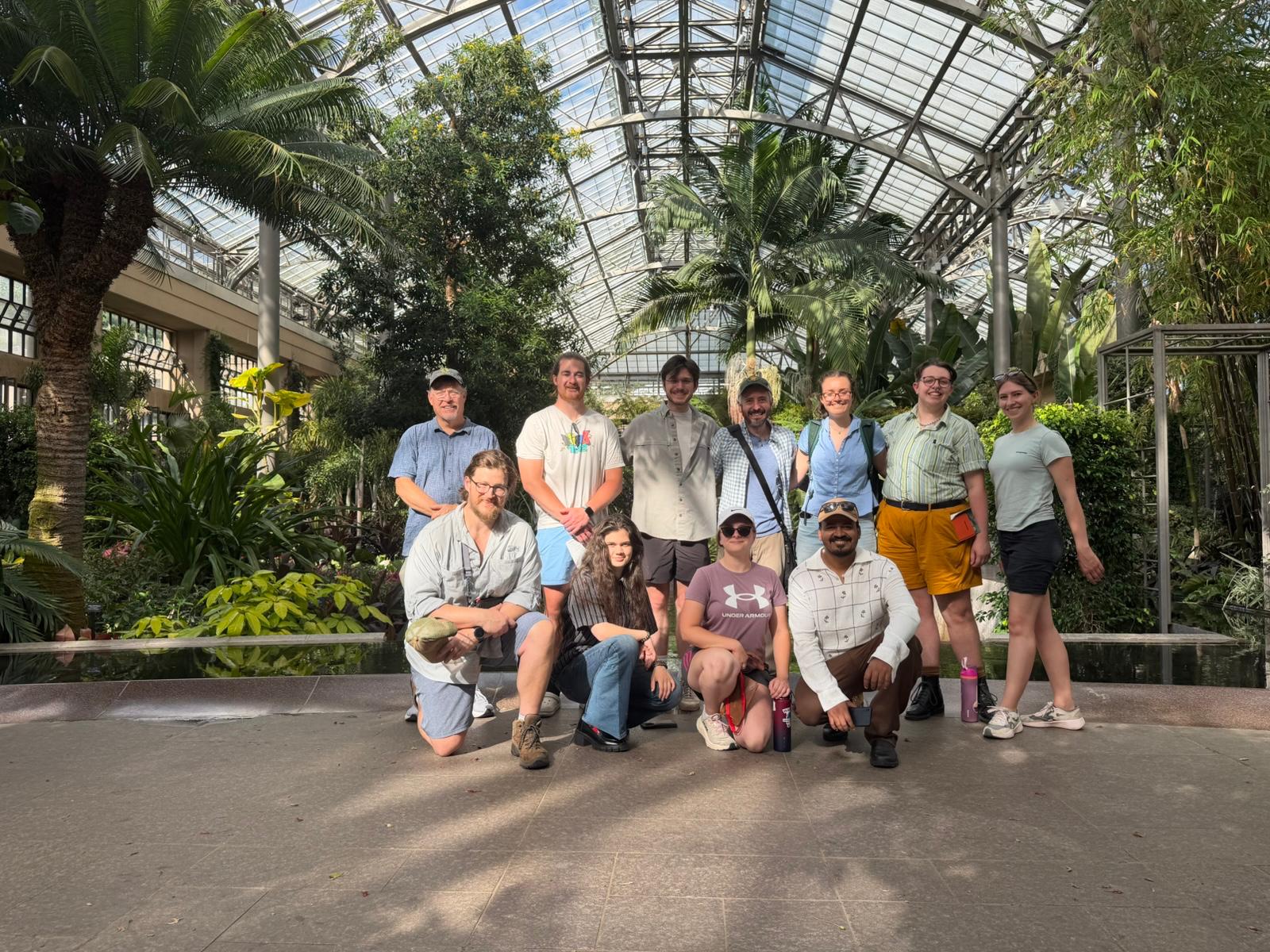
Dr William J. Matthaeus participated as co-investigator and co-organiser of the programme, alongside Jonathan P. Wilson (who generously hosted the event at Haverford College), Joseph D. White (Baylor University), and Principal Investigator Daniel J. Peppe (Baylor University). Dr Miriam Slodownik participated as an attendee alongside six further selected students.
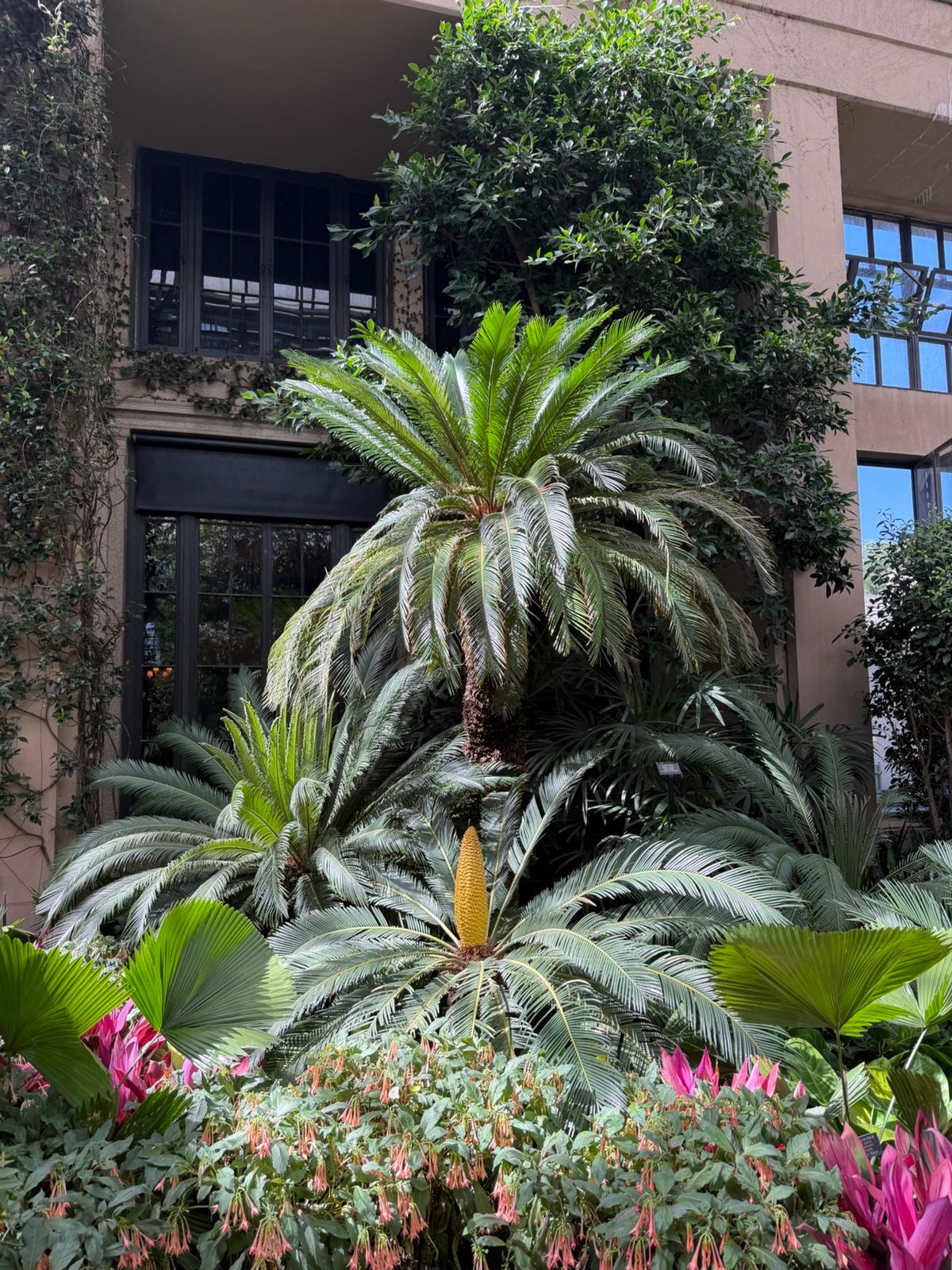
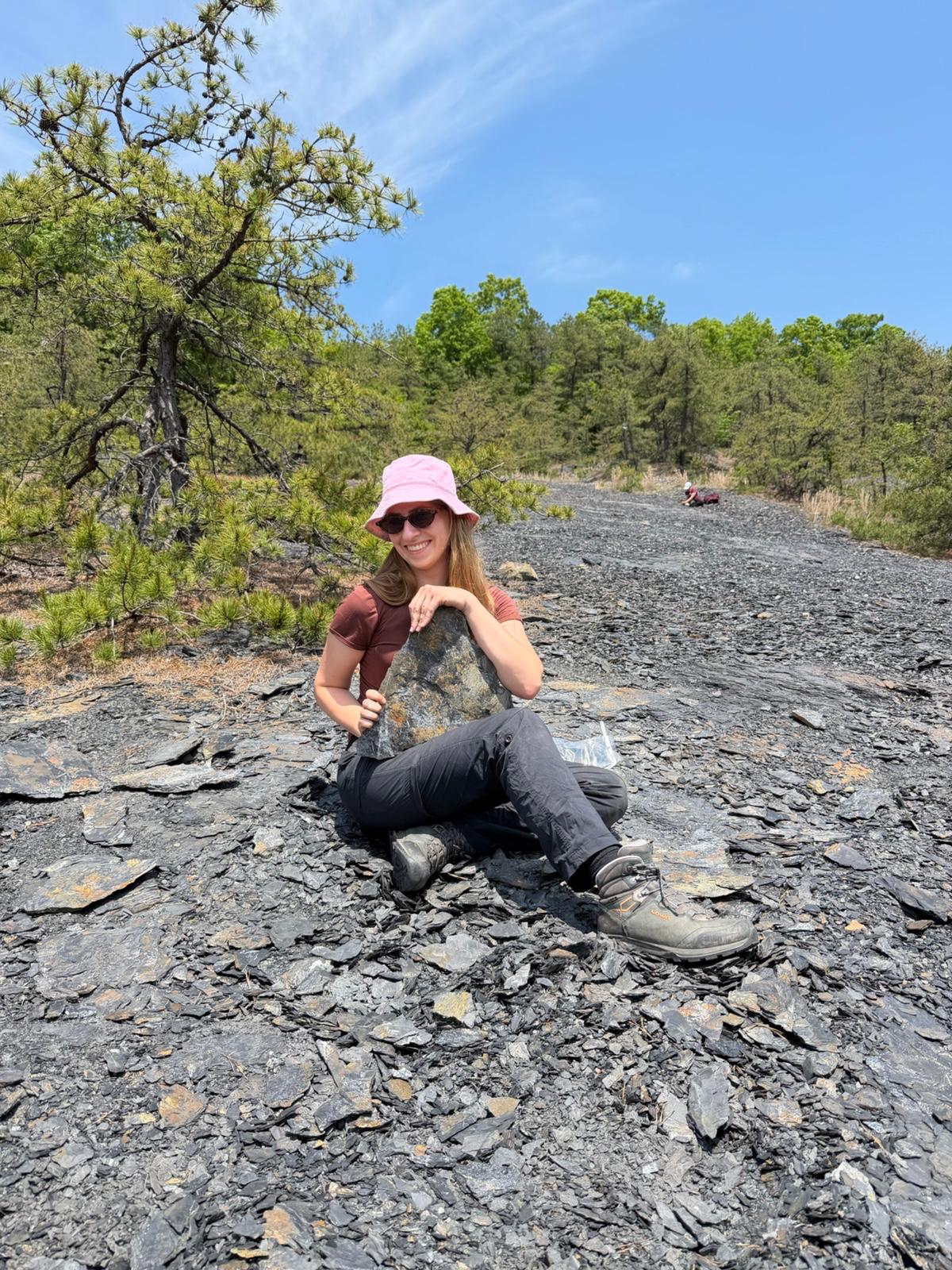
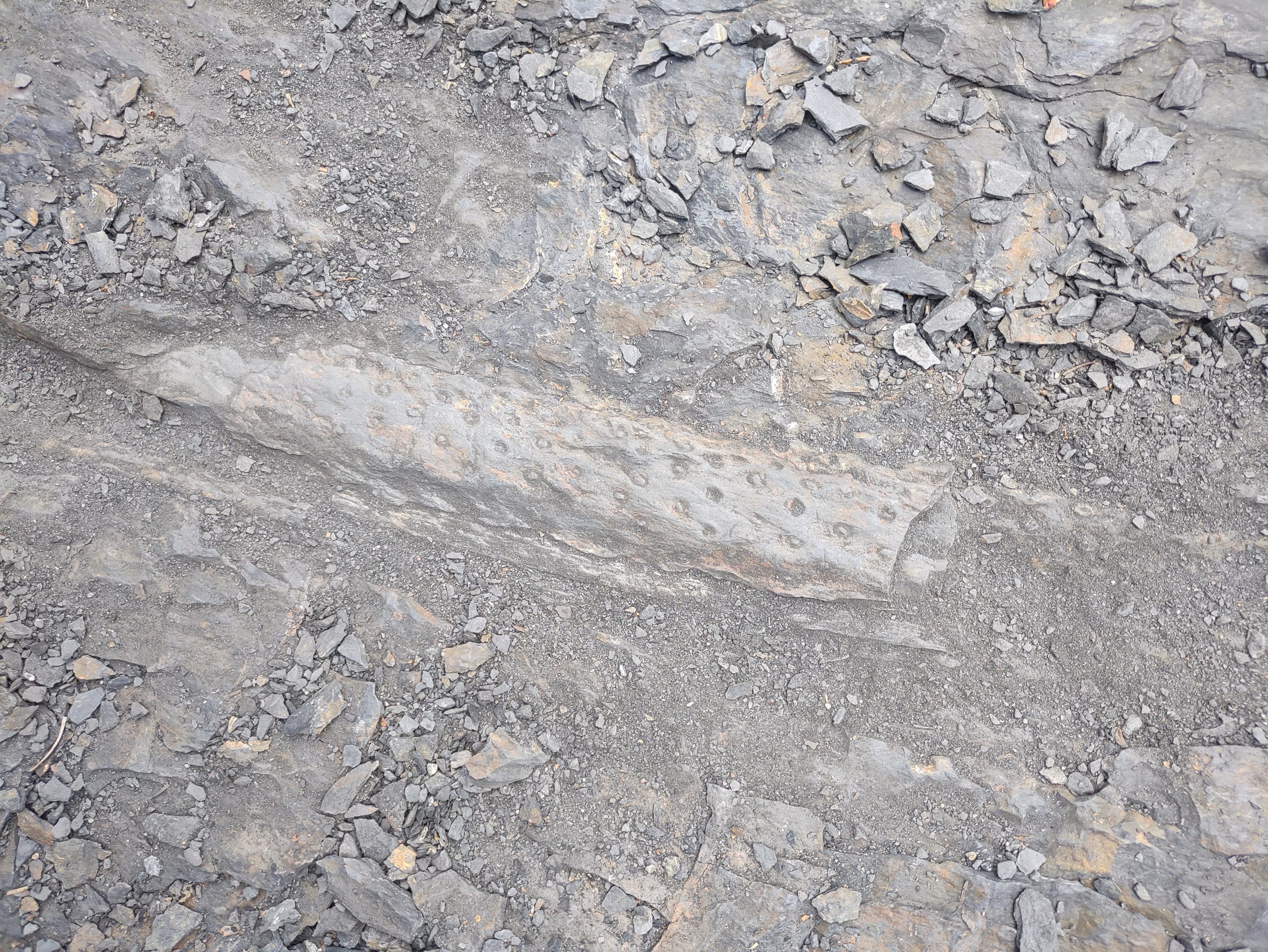
The diverse 10-day programme spanned lectures, practical sessions, and field trips. Highlights included fossil plant collecting in Centralia, a tour deep underground (and deep in time) in a historic coal mine (https://www.pioneertunnel.com/) which exposed Carboniferous coals, and a visit to Longwood Gardens (https://longwoodgardens.org/). The summer school was an excellent learning and networking experience and a great success for all organisers and attendees.
This course is supported by the National Science Foundation (NSF).