
Plant Climate Lab at IPSAM 2026
Plant Climate Lab at IPSAM 2026
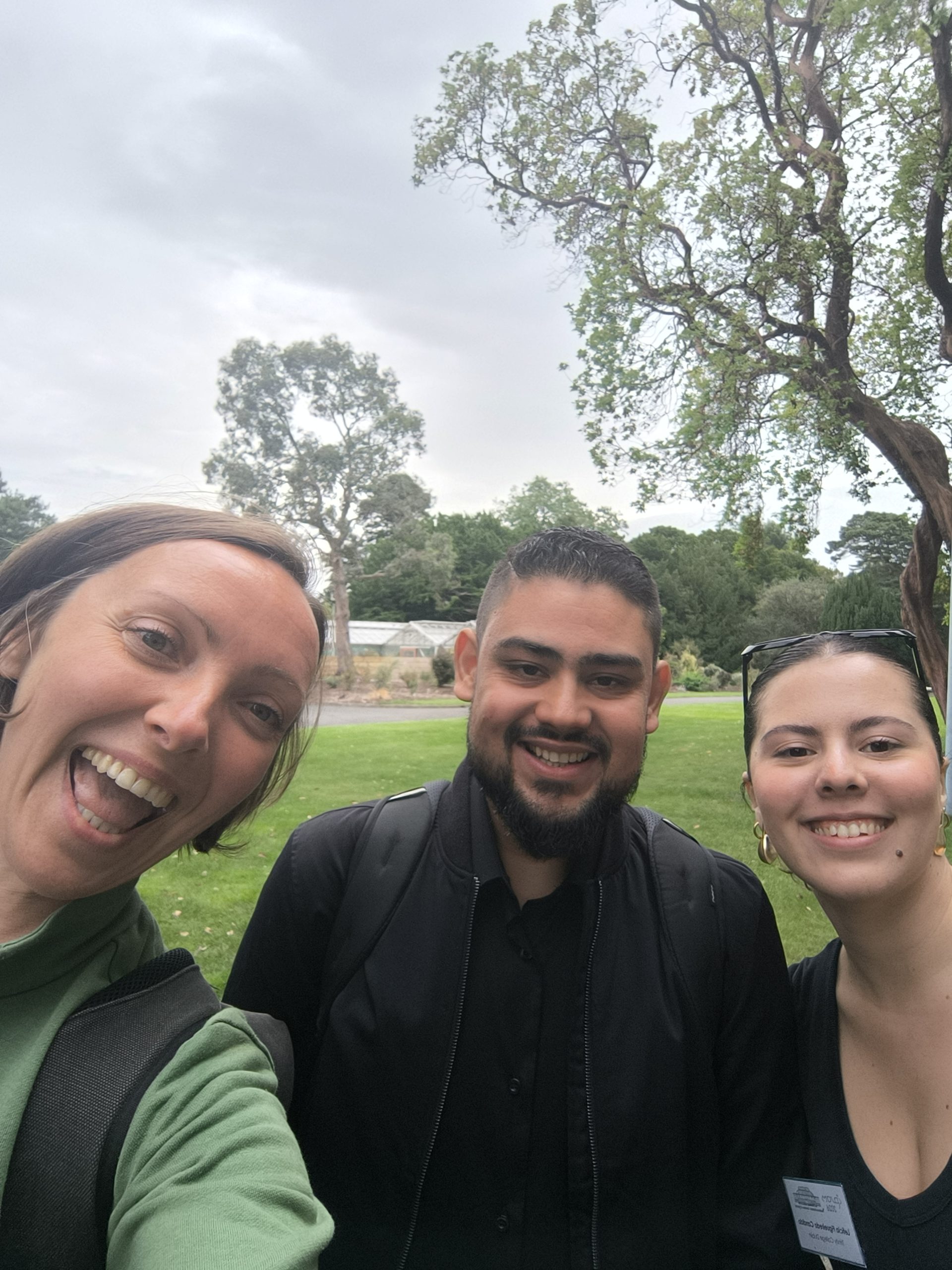
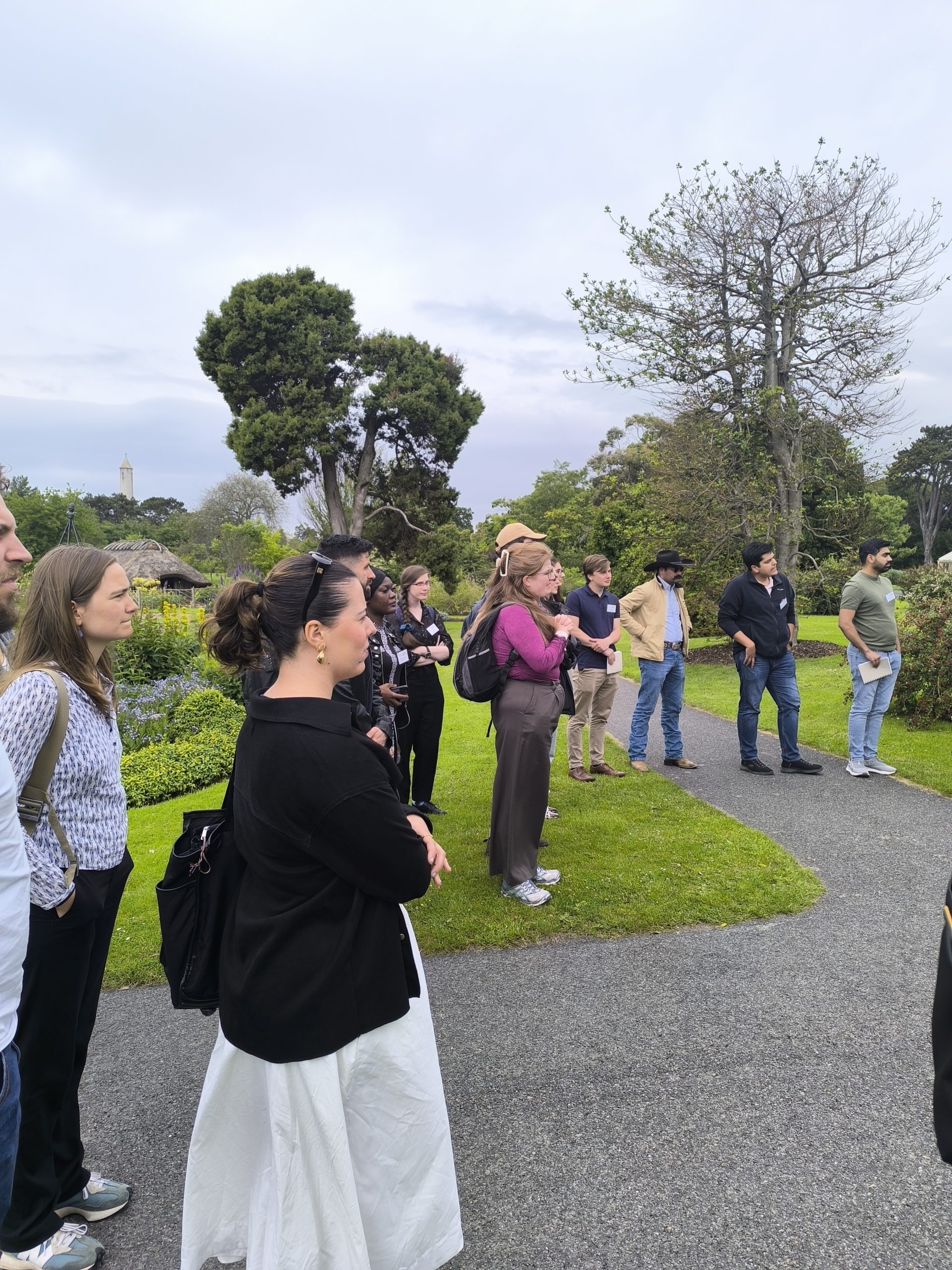
Members of the Plant Climate Lab were delighted to participate in the Irish Plant Scientists’ Association Meeting (IPSAM) 2026, held at the National Botanic Gardens, Glasnevin, on 15–16 June. The meeting brought together plant scientists from across Ireland to share the latest research in ecology, climate change, biodiversity, conservation, plant physiology, and horticulture.
A particular highlight of the conference was the keynote lecture by Dr Peter Wyse Jackson, President Emeritus of the Missouri Botanical Garden and Chair of the Botanic Gardens Conservation International (BGCI) Board. In his inspiring talk, “Botanic gardens in a changing world – driven by concern for biodiversity and conservation”, he explored the history, importance, and future role of botanic gardens in addressing biodiversity loss and global environmental change.
The Plant Climate Lab was strongly represented across both oral and poster presentations.
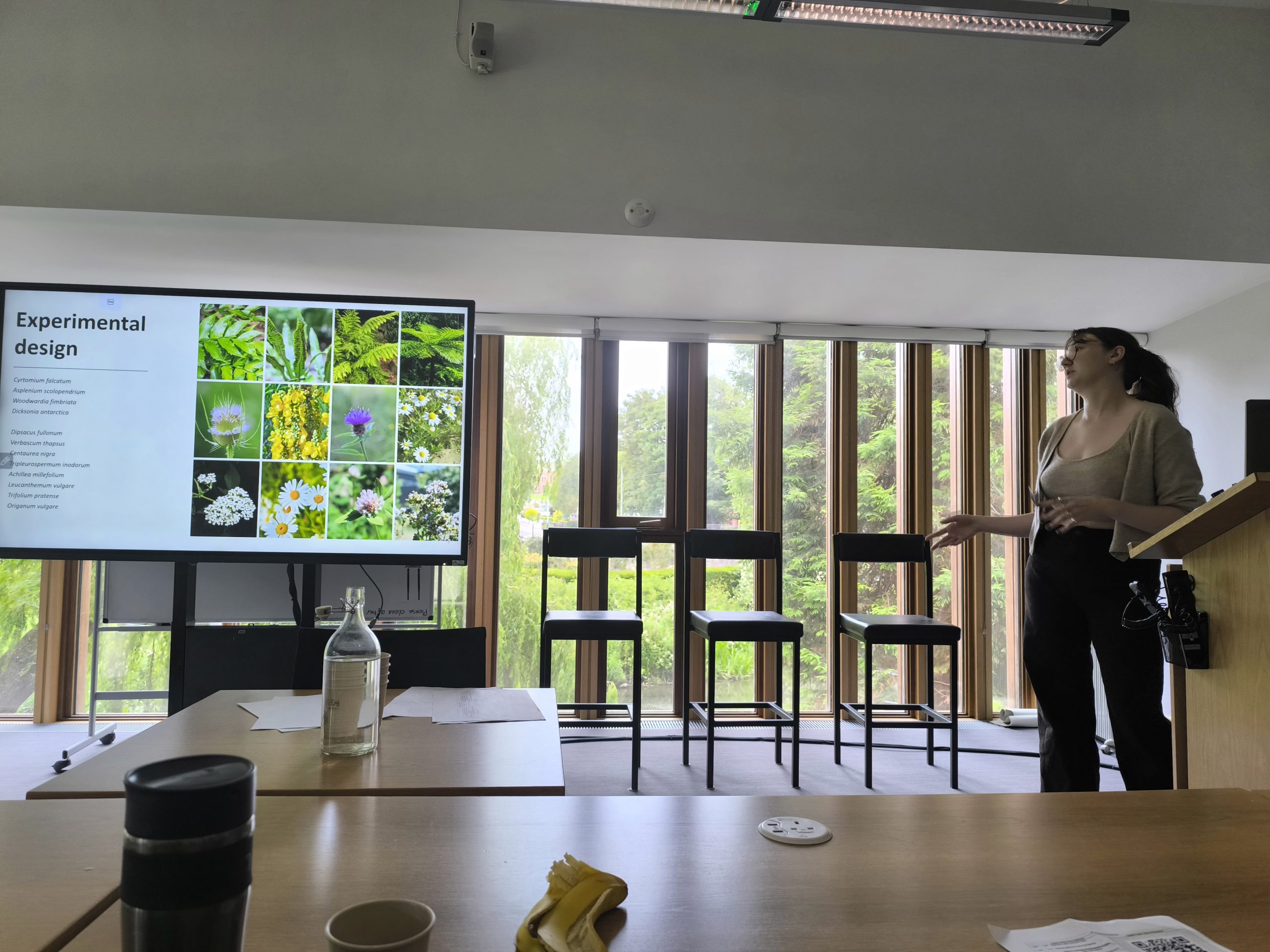
Robin Noble presented his talk: “Does plant evolution speed up weathering? A mesocosm experiment comparing ferns and angiosperms”
This research explored how different plant groups influence silicate weathering and atmospheric carbon sequestration, challenging long-held assumptions about the role of plant evolution in Earth’s carbon cycle.
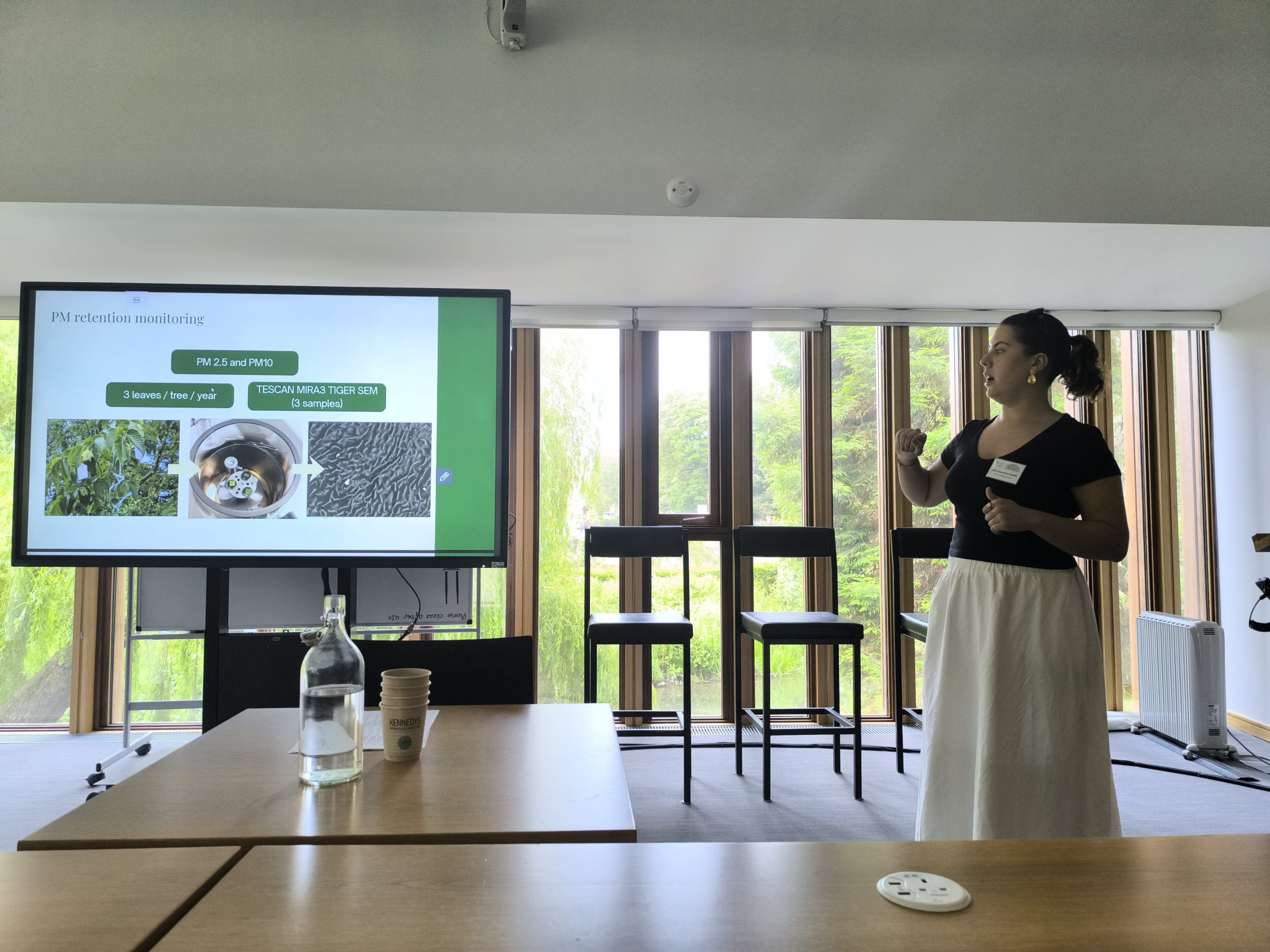
Leticia Figueiredo Candido delivered a talk entitled: “The Witness Trees: unveiling the potential of Botanic Gardens for research”
The presentation highlighted the Witness Tree Project, a long-term monitoring initiative investigating how trees respond to environmental change and air pollution, while demonstrating the value of botanic gardens as living laboratories for scientific research.
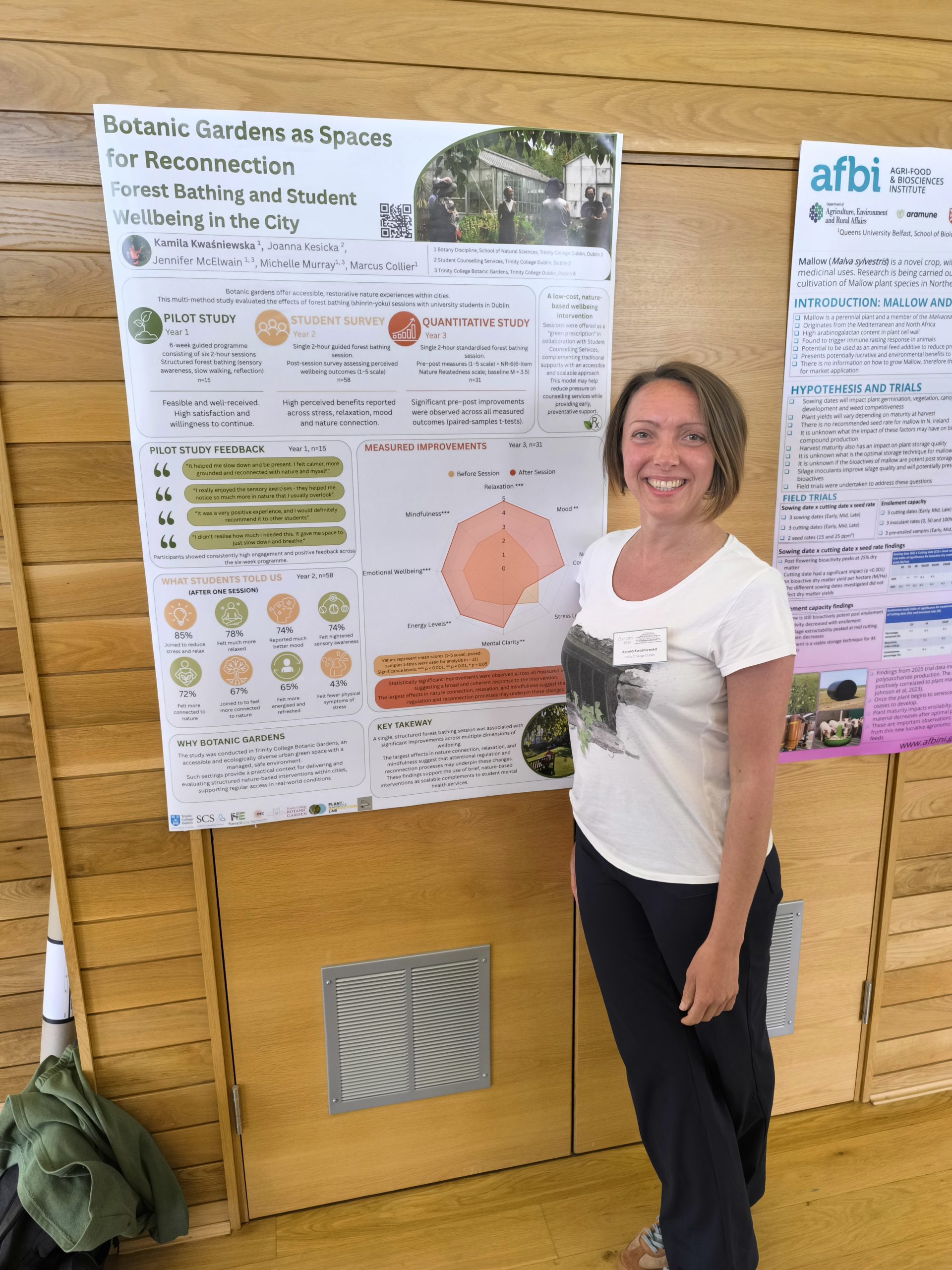
Kamila Kwasniewska presented a poster: “Botanic Gardens as Spaces for Reconnection – Forest Bathing and Student Wellbeing in the City”
The poster showcased findings from a three-year collaboration between Trinity College Botanic Gardens and Student Counselling Services, exploring the impact of forest bathing and nature-based interventions on student wellbeing in an urban green space.
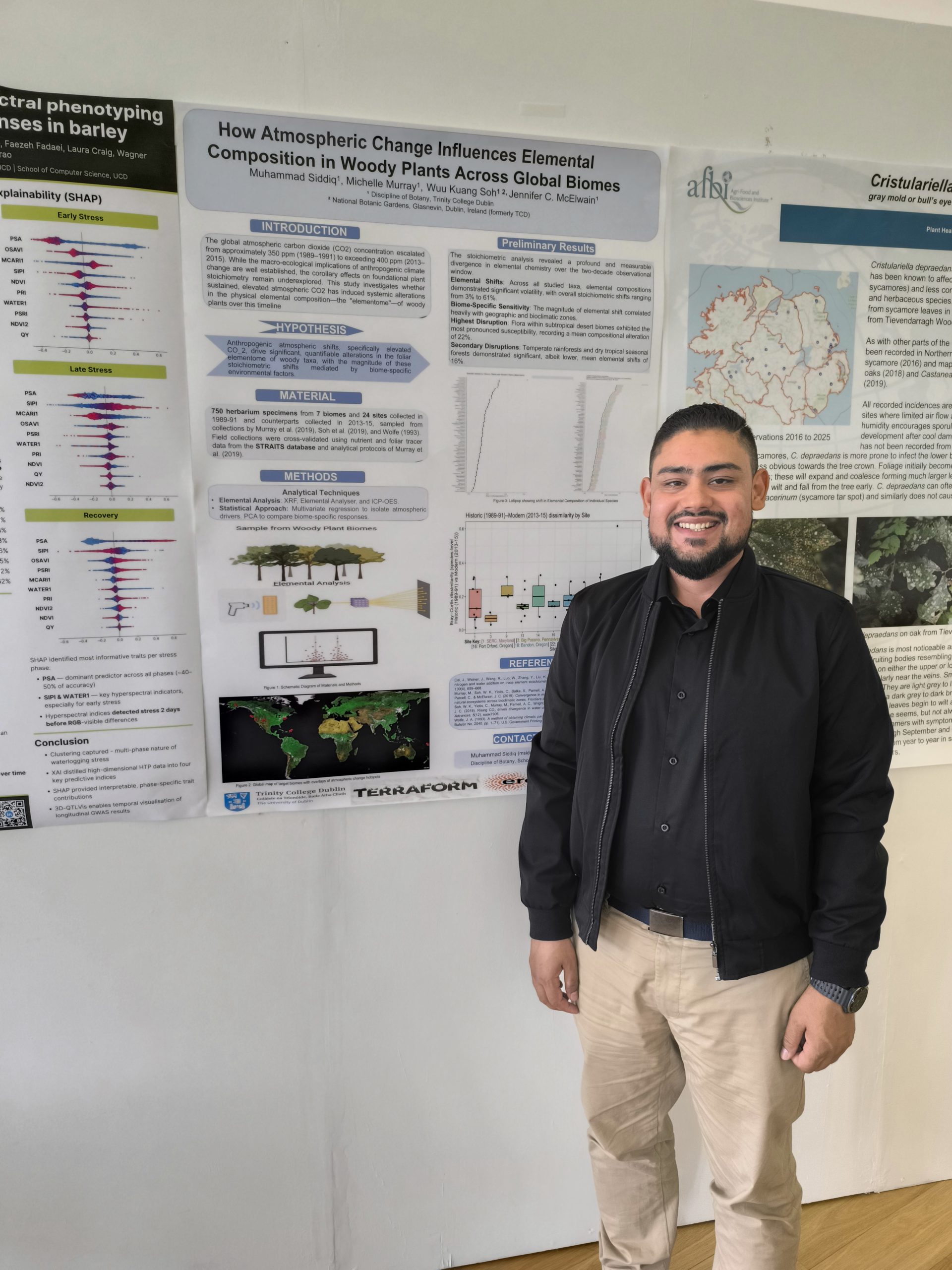
Muhammad Siddiq presented a poster entitled: “PlantChem Project: Investigating the Shift in Plant Chemistry Due to Climate Change”
The research compared historic (1989–1991) and modern (2013–2015) plant collections from 24 sites across seven global biomes to investigate how rising atmospheric CO₂ has altered plant elemental composition. The study revealed substantial shifts in plant chemistry over just a few decades, highlighting previously hidden impacts of climate change on ecosystem function and nutrient cycling.
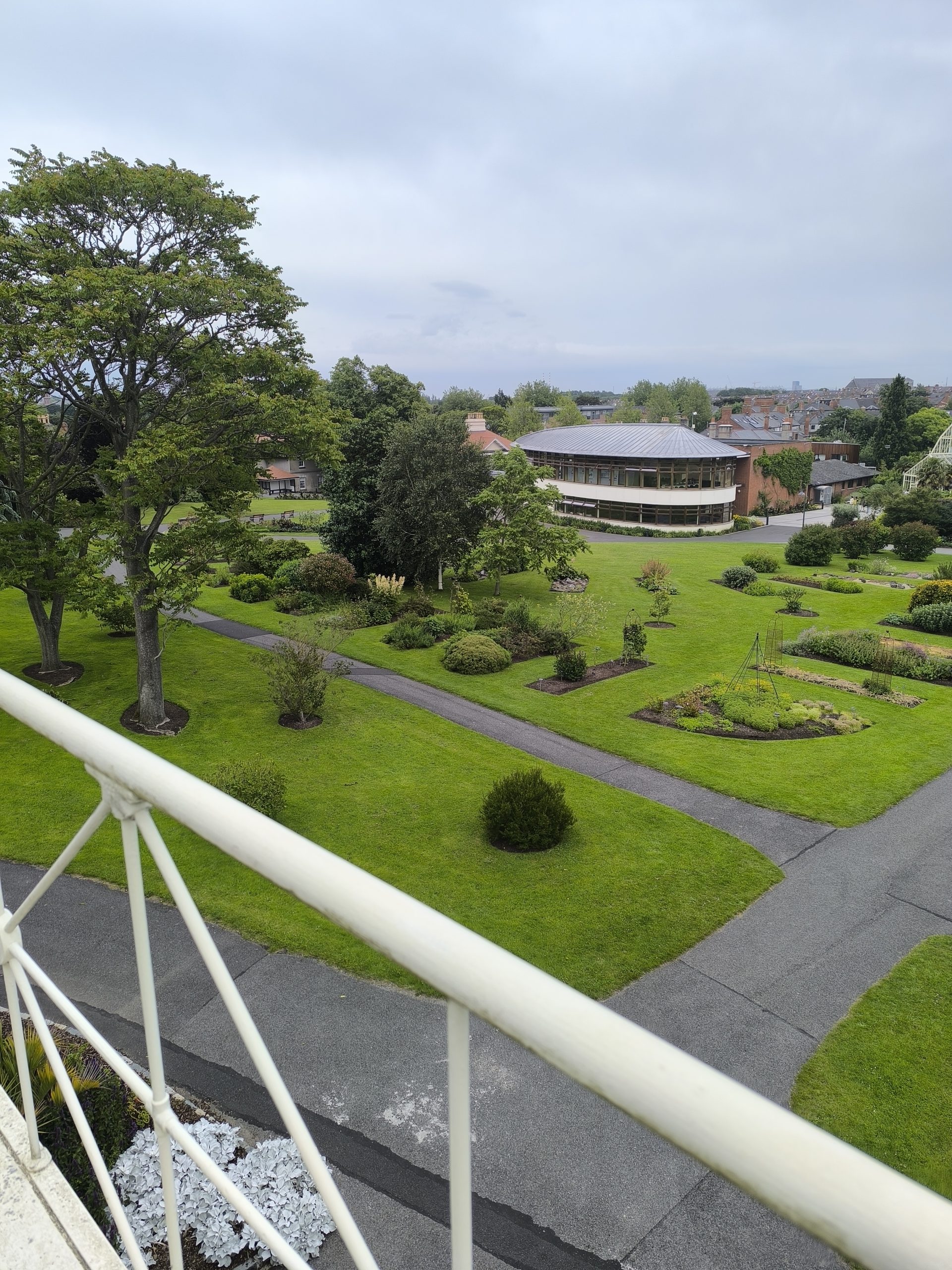
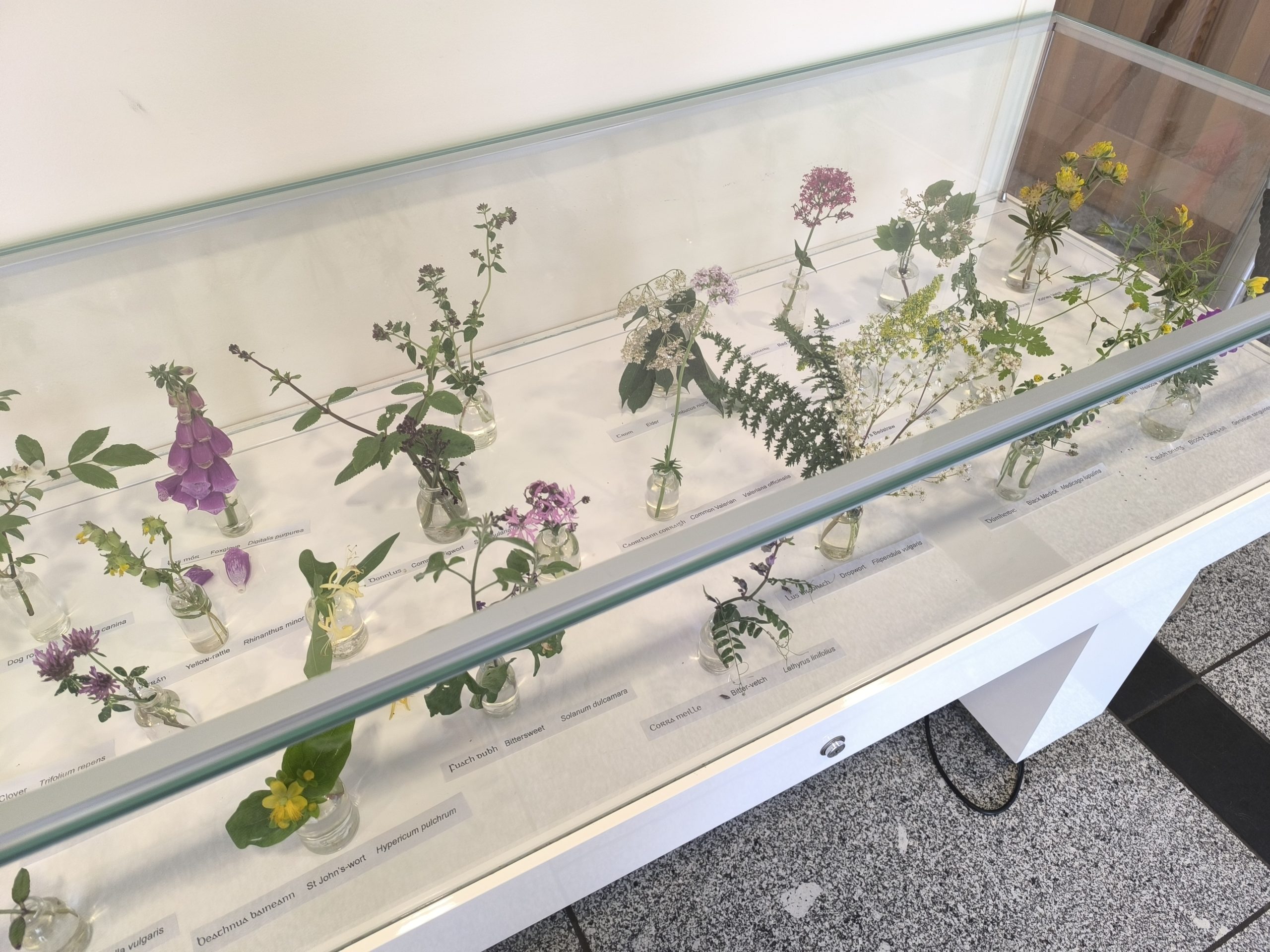
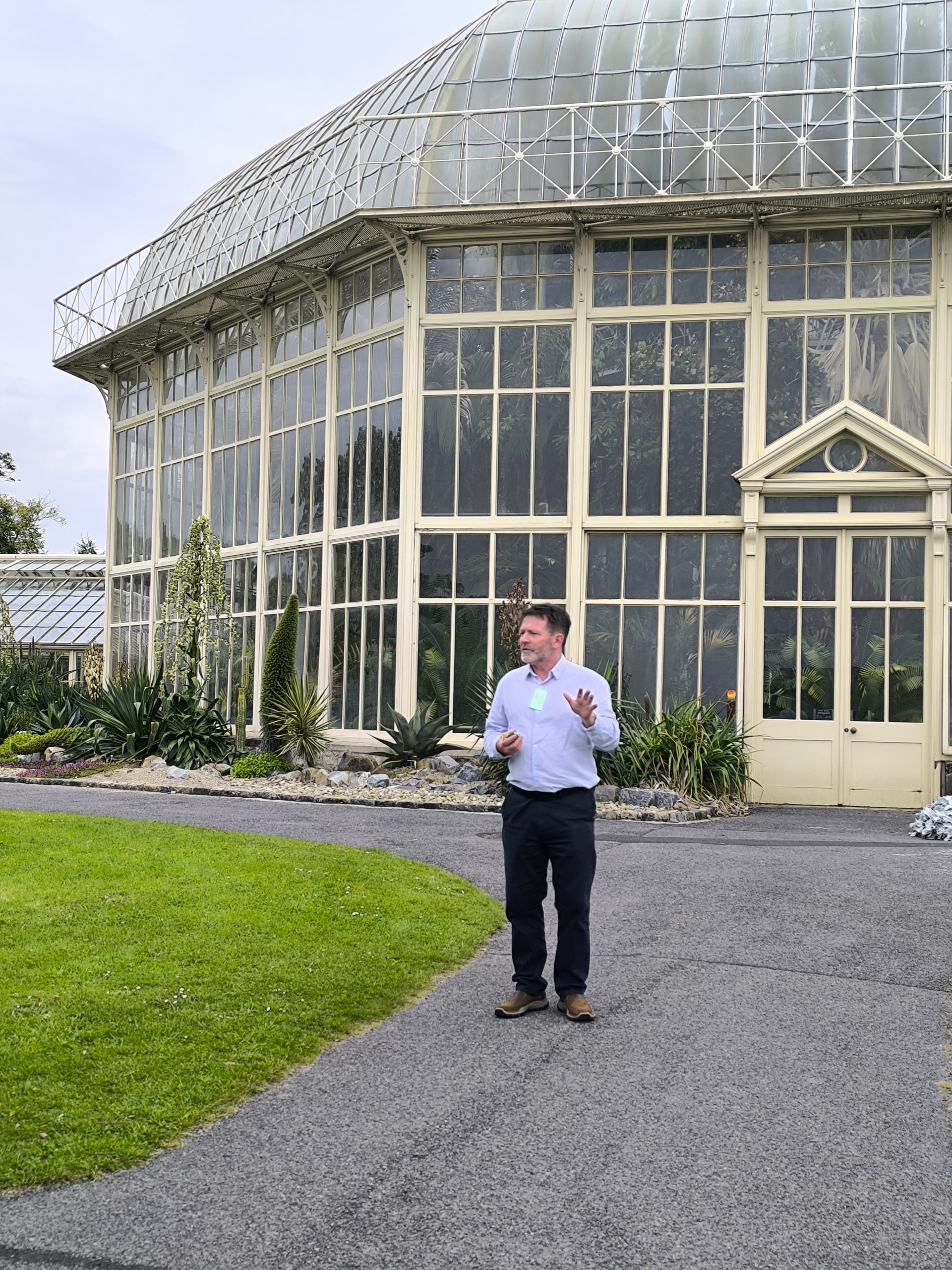
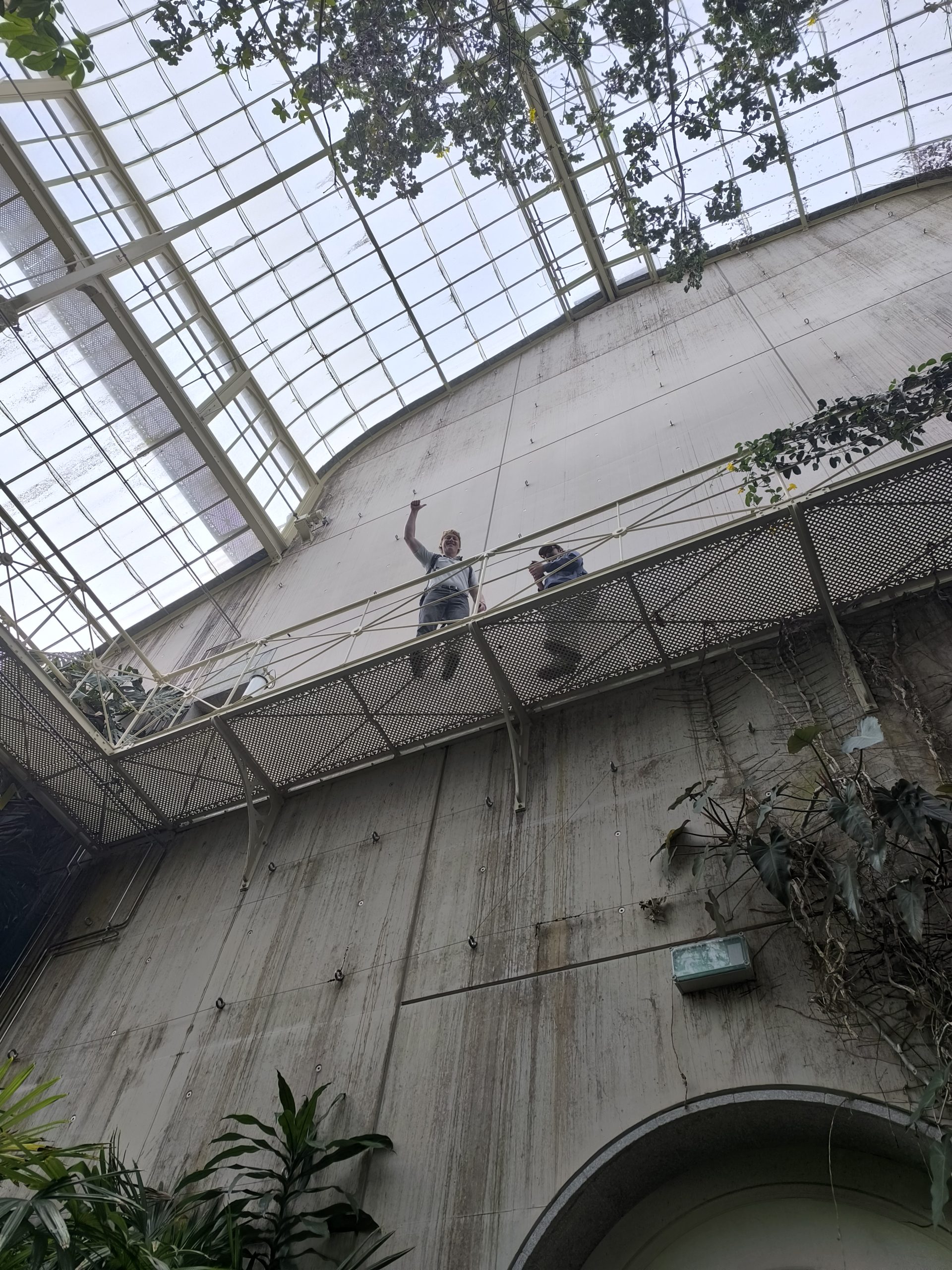
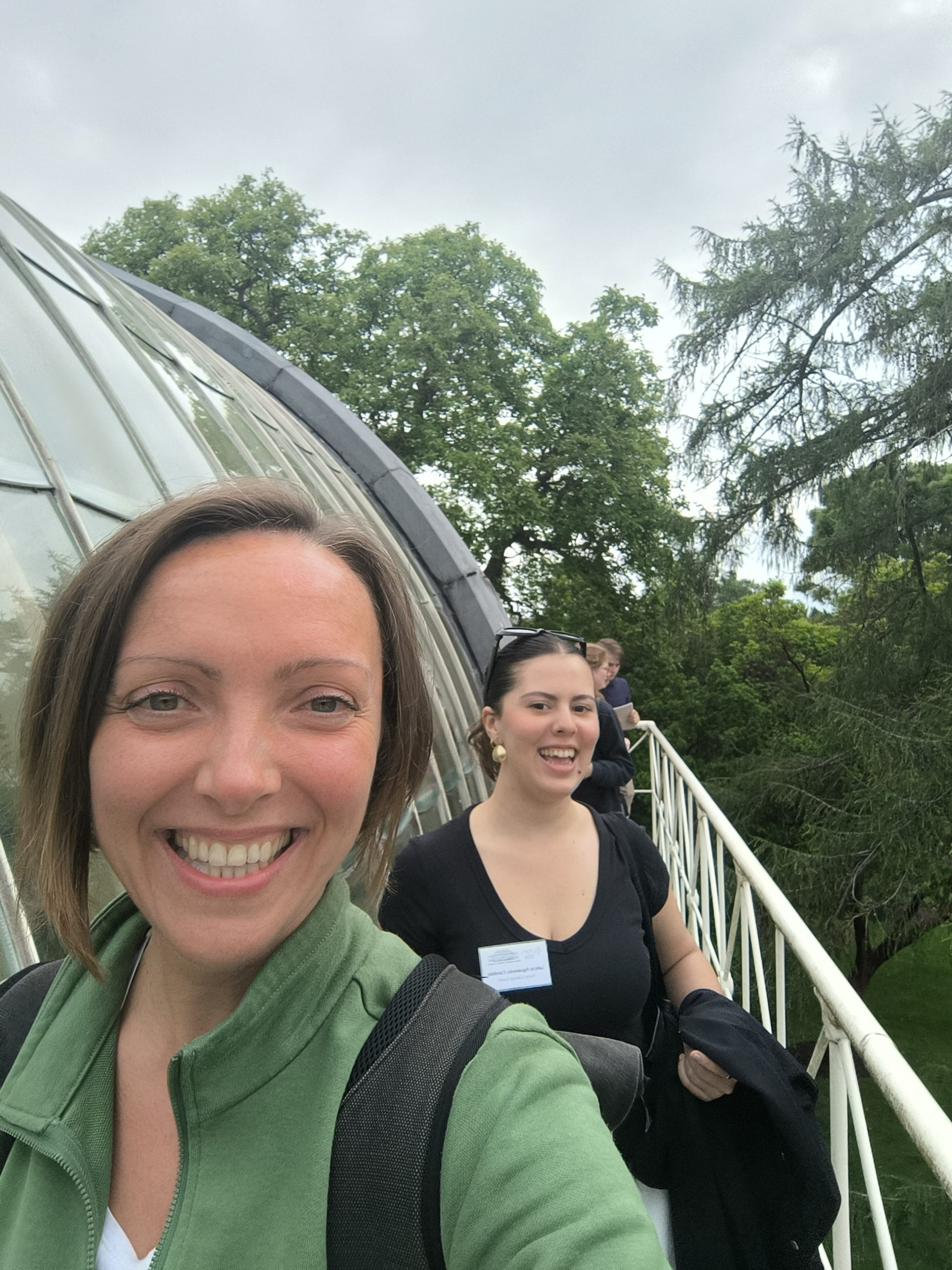
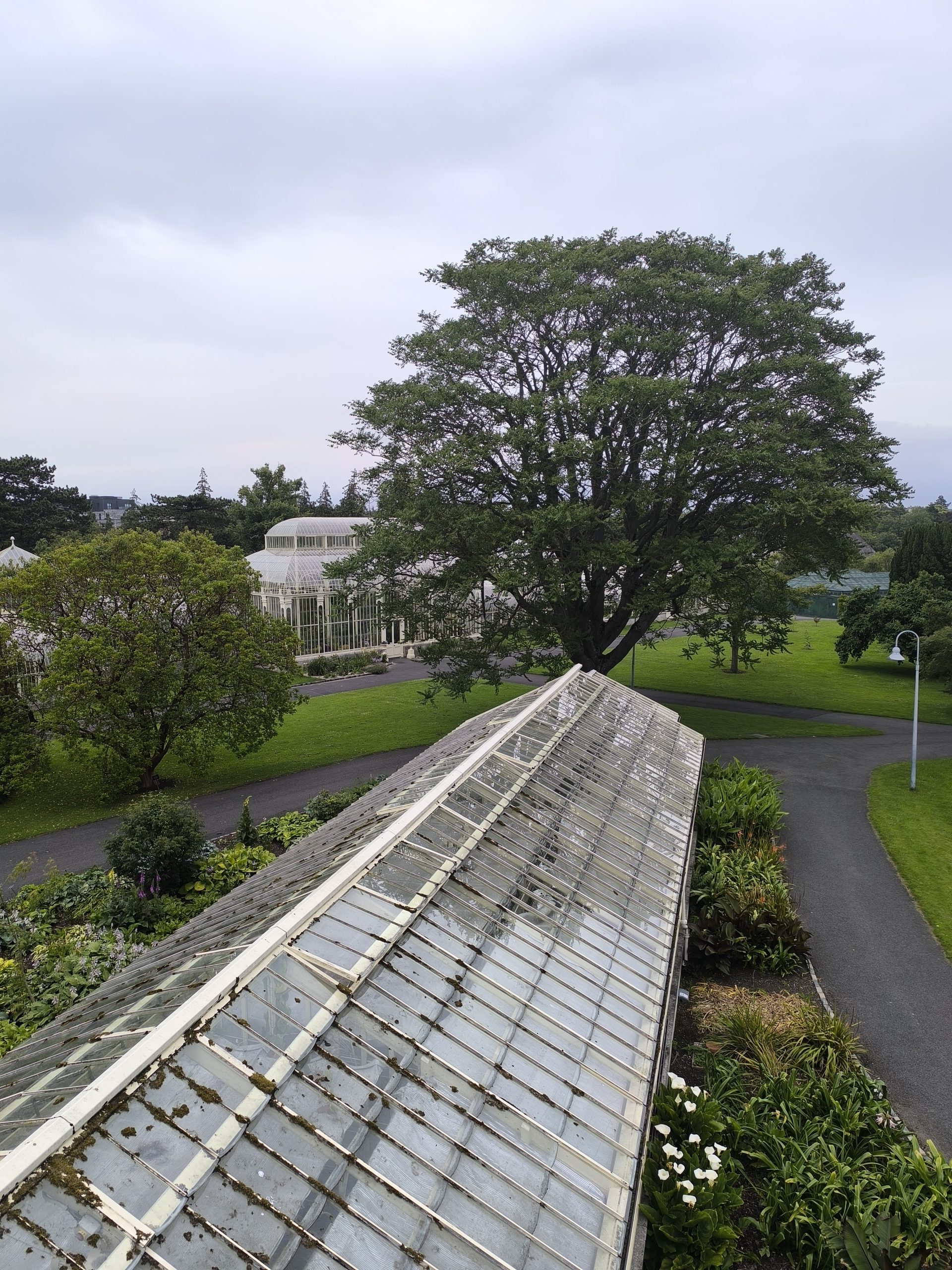
Beyond the scientific programme, the conference provided wonderful opportunities to reconnect with colleagues, discover new research, and explore the National Botanic Gardens. Delegates enjoyed guided tours of the gardens and herbarium, and one of the highlights was the opportunity to visit the rooftop of the iconic Great Palm House, offering a unique perspective over one of Ireland’s most treasured botanical collections.
IPSAM 2026 was an inspiring and enjoyable event, showcasing the breadth of plant science research taking place across Ireland. We would like to thank the organisers and the National Botanic Gardens for hosting such a fantastic meeting and look forward to returning next year.

Visit from Prof. Isabel Patricia Montañez (UC Davis)
Prof. Isabel Patricia Montañez Visits Trinity and Delivers Lecture on the Evolution of Atmospheric CO₂
This week, PlantClimateLab was delighted to welcome Prof. Isabel Patricia Montañez, the Chancellor’s Leadership Distinguished Professor in the Department of Earth and Planetary Sciences at the University of California, Davis.
Prof. Montañez’s research explores the evolution of atmospheric CO₂ through deep time, investigating how global carbon cycling, climate, and ecosystems interacted during major transitions from glaciated to non-glaciated worlds. Her pioneering work on paleo-CO₂ reconstructions provides essential insights into how Earth’s climate system responds to CO₂-driven change, offering vital analogues for our warming future.
During her visit, Prof. Montañez delivered a lecture at Trinity College Dublin titled: “Reconstructing the Evolution of Atmospheric CO₂: Lessons from the Deep Past for Our Climate Future.” In her talk, she discussed the challenges and advances in constraining paleo-CO₂ estimates and outlined a path forward toward building a next-generation CO₂ record for the past 400 million years. She also presented new work reconstructing CO₂–climate–ecosystem feedbacks during the Late Paleozoic Ice Age, when CO₂ levels fluctuated within ranges comparable to both the last ice age and projections for this century. The event concluded with a wine and cheese reception (6–8 pm, Main Foyer, Museum Building), offering an opportunity for informal discussion and collaboration.
Earlier in the day, Catarina and Will from our group joined Prof. Montañez for lunch and a discussion on ongoing research connections – including her role as Catarina’s co-PI for her PhD project. Later, she took time to meet and chat with other members of the team, showing genuine interest in their work and offering insightful, thoughtful feedback – exactly the kind of generous exchange that defines great scientific collaboration.
It was a great pleasure to host Prof. Montañez and to exchange ideas on the future of paleo-CO₂ research and its implications for understanding Earth’s changing climate.


How Ancient Vegetation Shaped Water Availability
How evolving plants transformed Earth’s water cycle during its last ice age.
A new paper by Will Matthaeus, Jenny McElwain, and colleagues, published in Global Ecology & Biogeography, examines how vegetation change influenced water balance during the Late Palaeozoic Ice Age. Using the paleo-ecosystem model Paleo-BGC v2.0, driven by CESM climate simulations for approximately 300 million years ago, the study examines how plant functional traits influenced hydrology under ancient icehouse conditions.
By comparing wet-adapted and dry-adapted plant types based on fossil trait data, the research shows that the shift toward drought-tolerant vegetation reduced runoff by up to 36%. This indicates that vegetation change alone had a major effect on water availability, independent of atmospheric CO₂ levels.
The findings highlight how plant evolution shaped Earth’s water cycle, reinforcing the spread of drought-tolerant species while limiting water-dependent lineages. The work forms part of the ERC-funded TERRAFORM project, led by Professor Jenny McElwain, which investigates how plants have transformed Earth system processes through geological time.
Read the paper here: Global Ecology & Biogeography

Plant-Climate Interaction Lab Research Symposium 2025
Plant-Climate Interaction Lab Symposium
In July, the Plant-Climate Interaction Lab hosted a highly successful Research Symposium, where lab members presented their current research, shared insights, and discussed future directions. The event offered a platform for both students and faculty to engage in fruitful discussions and celebrate the diversity of research in the lab.
Jennifer McElwain kicked off the symposium with an overview of the lab’s main goals and past and current research. Her talk set the stage for the day and was especially informative for the internship students attending.
Dr Miriam Slodownik presented updates on her work with the Witness Tree Project, discussing recent fieldwork and future directions. Miriam also shared exciting news about her upcoming role as an MSCA Fellow and the new position to be advertised for the Witness Tree project.
Charlotte Salter-Townshend shared her research on air pollution mitigation and tree diversity, delving into the question of which species in the Witness Tree Project are most effective at capturing particulate matter. She also discussed the methods she uses, including SEM image analysis and various plant measurement techniques.
Ellen Colligan, a student intern, presented her summer research focusing on pollution trends in Dublin City. She highlighted the data she collected on stomatal conductance, particulate matter, and water use efficiency, offering valuable insights for future climate policy.
Ciaran Farrell, a 3rd Year Botany Undergraduate, alongside Ríona McDonnell, reflected on their experience with the Cathcart Schuler Internship in Conservation Horticulture at the TCD Botanic Gardens. Their work involved garden maintenance, public engagement, and participation in various projects, including the Witness Tree Project.
Dr Ailbhe Brazel presented her work on molecular mechanisms in plants, detailing her contributions to the Witness Tree Project and her ongoing research on epigenetic mechanisms of hypoxia in plants. Ailbhe also shared updates on collaborative work with Dr Kamila Kwasniewska on plant evolution markers.
Muhammad Siddiq introduced his PlantChem Project, which investigates how the rise in atmospheric CO₂ influences the elemental composition of plants. His talk focused on understanding the broader implications of atmospheric changes on plant chemistry.
Antonietta Knetge, though unable to attend in person, shared a video update on her research involving the Greenland fossil collection and her work on plant halotolerance in Cretaceous conifers. The results of her study will soon be published.
Catarina Barbosa presented her research on how counting methods influence the interpretation of plant paleoecological data. She discussed the analytical techniques she used, such as Non-metric Multidimensional Scaling with Bray-Curtis Distance, to differentiate plant material from fossilized specimens.
Dr William Mattheaous provided updates from his recent trip to the US, where he hosted the Cell to Ecosystems Summer Course 2025. He also discussed his presentation at the Life and Planet 2025 conference, focusing on leaf decomposition and weathering potential as part of the Terraform project.
Dr Blanka Kovacs introduced an innovative weathering experiment to be conducted at the National Botanic Gardens, using volcanic ash and tea bags to study environmental processes. Her upcoming research is set to contribute significantly to the Terraform project.
Dr Christos Chondrogiannis and Robin Noble presented their ongoing evolutionary experiment in the TTEC, VAL Lab. They shared preliminary results and discussed the physiological measurements they are using to explore plant evolution under different conditions.
The symposium was a great success, offering a glimpse into the exciting research happening in the lab. Stay tuned for further updates as these projects continue to unfold.


Measuring photosynthesis efficiency in our smallest plants
Measuring photosynthesis efficiency in our smallest plants
Dr Ailbhe Brazel, a Teaching Fellow on the Terraform project, and her colleagues recently published a paper in the January 2025 issue of Plant Science, presenting findings from her previous research.
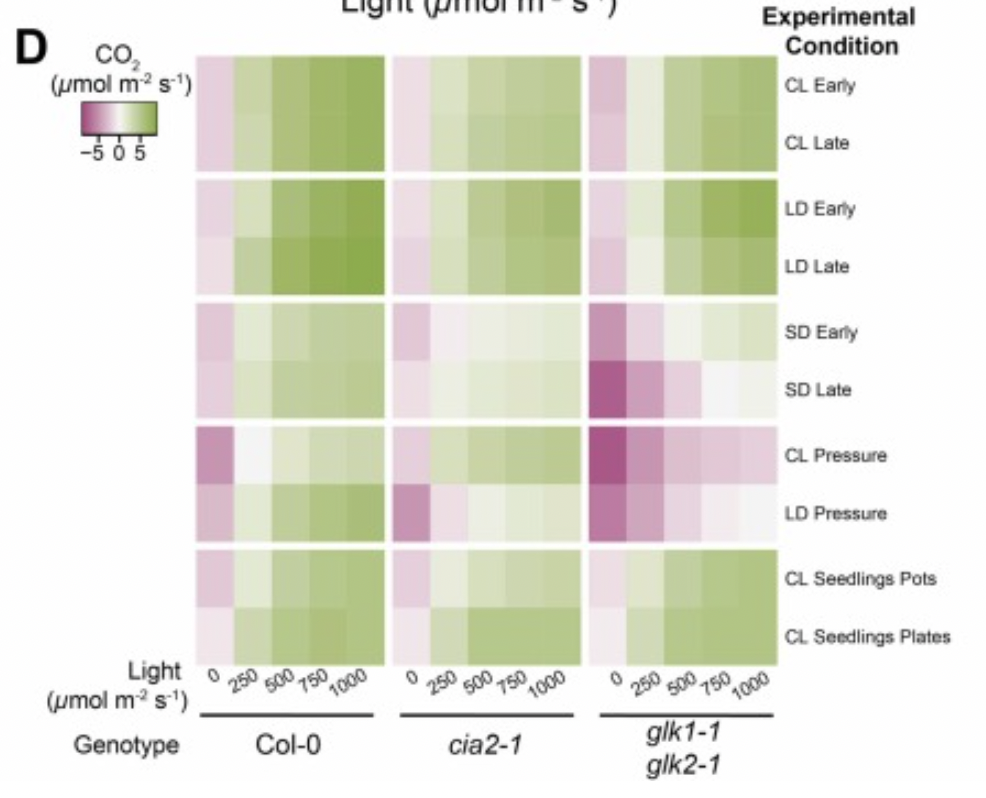
Infra-red gas exchange analysis (IRGA) is a widely used technique for assessing photosynthetic efficiency by measuring the carbon dioxide assimilated and released by plants. Traditional IRGA methods require placing plant tissue in a sealed chamber, often using bulky leaf clamps. These clamps pose challenges when working with small herbaceous plants that have delicate leaves and closed rosette structures. An alternative approach involves growing small plants in soil and using whole plant chambers for gas exchange measurements. However, this method can introduce variability due to carbon dioxide emissions from microorganisms or root respiration in the soil.
In their paper, Dr Brazel and her colleagues introduce a novel method that significantly reduces this variability, improving the accuracy of IRGA measurements for small herbaceous plants using whole plant chambers. This is the first comprehensive methods paper on IRGA analysis in Arabidopsis thaliana. The team successfully applied this technique to measure carbon dioxide assimilation in 10-day-old Arabidopsis seedlings, a crucial developmental stage frequently used in transcriptomic and biochemical research. Their method expands the toolkit available for IRGA studies in A. thaliana, enabling more precise monitoring of photosynthetic rates from early plant growth stages.
by Ailbhe Brazel


What does photosythesis outside leaves look like?
What does photosynthesis outside leaves look like?
Dr. Christos Chondrogiannis is a co-author of two recently published papers on the understudied and less understood non-foliar photosynthesis. Foliar photosynthesis occurs in organs other than leaves, such as stems, fruits, and cortex. The microenvironment where non-foliar photosynthesis occurs may differ significantly from that of leaves due to physiological and anatomical differences between the organs, and its contribution to the total carbon budget of the plant varies greatly.
The first paper on stem photosynthesis, titled “Reduced diffusional limitations in carnation stems facilitate higher photosynthetic rates and reduced photorespiratory losses compared with leaves” was published in Physiologia Plantarum (Link). Stem photosynthesis is an ancient mechanism, as stems were the sole photosynthetic organs in the early land plants. In this paper, the photosynthetic activity of carnation stems was studied compared to leaves. It was shown that the vertically oriented stems can readily attain higher CO2 assimilation rates than leaves, owing to higher CO2 conductance. In contrast, leaves showed photoprotective and water-conserving adaptations that help them cope with the high incident light intensities they naturally experience.
The second paper on fruit photosynthesis, titled “Photosynthetic traits of Quercus coccifera green fruits: A comparison with corresponding leaves during Mediterranean summer” was published in Plants Journal (Link). Fruit photosynthesis occurs in an internal microenvironment seldom encountered by a leaf due to its metabolic and anatomical features. In this study, the anatomical and photosynthetic traits of green fruits of Quercus coccifera L. were assessed during the period of fruit production and compared to their leaf counterparts. It is suggested that during summer, when leaves suffer from high temperatures and drought, acorns could contribute to the overall carbon balance, through the re-assimilation of the CO2 produced from their respiration, thereby reducing the reproductive cost.
Christos Chondrogiannis

Final Year Thesis Spotlight: Do Cycads display CAM photosynthesis?
Plants are famous for their ability to photosynthesize. They produce sugars that are essential for life, using CO2 coupled with light energy from the sun. We know that photosynthesis occurs during daylight but what if we told you that in some plants, part of this process takes place in the dark of night? This unique process is known as Crassulacean Acid Metabolism or CAM photosynthesis and is a remarkable adaptation of some plants to hot and dry environments.
As part of his thesis project, Hugh McGrath, a final year student at Trinity College Dublin set out to explore whether or not Cycadales, exhibit CAM photosynthesis, using an array of species available at Trinity College Botanic Garden.
But why Cycads? Cycads peaked in diversity about 145 million years ago, during the Jurassic-Cretaceous period which is often termed ‘the age of cycads’. The Earth’s climate was hotter back then, with CO2 being as much as 4 times higher.
Cycad diversity has dwindled since their Jurassic reign. Today, 300 species exist, limited to pockets of suitable tropical and sub-tropical climate, many threatened with extinction. But could it be that CAM photosynthesis aided the success of this ancient group of plants during ‘the age of cycads’?
CAM plants have adapted to close their stomata during daylight. Stomata are tiny pores on plant leaves through which atmospheric CO2 enters the leaves and water is released, a process known as transpiration. Closing these pores during the day enables plants growing in areas of water scarcity to conserve this precious resource
However, CO2 still remains essential for photosynthesis. CAM plants uniquely assimilate CO2 by opening their stomata at night.
Hugh investigated the possible occurrence of CAM photosynthesis in the Cycads growing at TCBG. Overall, it was observed that 4 cycad species are potential exhibitors of CAM photosynthesis, supporting the case for further exploration of CAM in this ancient group of plants.


Environmental Monitoring Program at Trinity College Botanic Garden
Environmental Monitoring Program at Trinity College Botanic Garden

