
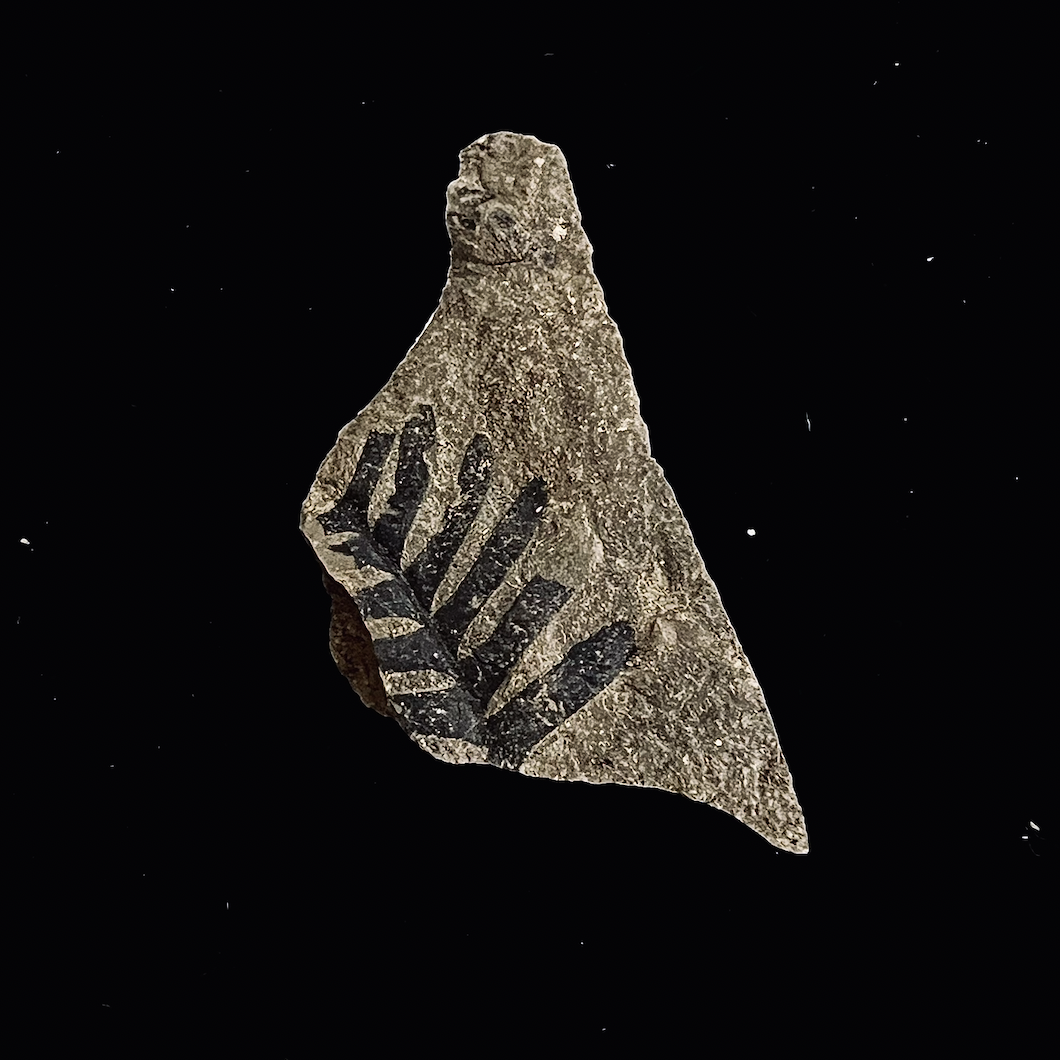
Greenland fossils uncover ancient climate crisis
Fossil plants reveal ecosystem change at the end-Triassic.
We are delighted to announce a new publication from our group:
“Census collection of two fossil plant localities in Jameson Land, East Greenland supports regional ecological turnover and diversity loss at the end-Triassic mass extinction.”
This research provides new insight into how ancient plant communities in East Greenland were affected during one of Earth’s most dramatic biodiversity crises – the end-Triassic mass extinction (~201 million years ago). By conducting detailed fossil census collections, our team was able to reconstruct changes in plant diversity and community structure across this critical interval. The results highlight significant ecological turnover and diversity loss, reflecting how global environmental stress reshaped ecosystems at the time. The study also demonstrates how fossil plant records can be used to track the ecological consequences of past climate crises, knowledge that is increasingly relevant as we seek to understand biodiversity responses to rapid environmental change today.
This paper marks an exciting milestone for Antonietta Knetge, PhD student in the Plant Climate Lab, who led the work as her first first-author publication. Congratulations, Antonietta!
We also acknowledge the excellent contributions of Catarina Barbosa and William Matthaeus through the ERC-funded Terraform project, as well as the leadership of Professor Jennifer McElwain. Our thanks go to all our collaborators who helped bring this study to fruition.
The paper is open access and available: https://www.sciencedirect.com/science/article/pii/S0031018225005516

Professor Jennifer McElwain Elected Fellow of the Royal Society
First Irish Botanist Recognized for Groundbreaking Research on Climate Change and Fossil Plants
We are proud to announce that Professor Jennifer McElwain, Principal Investigator at the PlantClimateLab and Chair of Botany in Trinity College Dublin’s School of Natural Sciences, has been elected a Fellow of the Royal Society. This prestigious honour recognises her exceptional contributions to environmental science, particularly her pioneering research on fossil plants and their role in understanding past atmospheric changes and climate events.
Prof. McElwain’s groundbreaking work has reshaped our understanding of Earth’s atmosphere over millions of years. Through her research on fossil plants, she has uncovered critical insights into how greenhouse gases – such as carbon dioxide, oxygen, and sulphur dioxide – have influenced climate change and biodiversity throughout history. Her research has also focused on investigating the connection between atmospheric changes and plant extinction events, especially during the Triassic-Jurassic mass extinction around 200 million years ago.
Reflecting on her election, Prof. McElwain shared,
“I’m deeply honoured to have been elected a Fellow of the Royal Society. My professional life has been devoted to using plants – both fossil and living – as ‘sensors’ or ‘proxies’ of past atmospheric gas content to study the evolution of atmospheric composition. This work feels more important than ever, as global climate change continues to impact the world. My team and I have discovered that one of the common denominators of past extinction events is that Earth’s biota faced substantial and rapid global warming, often caused by the release of large volumes of greenhouse gases like CO2 and methane. We are seeing similar conditions unfold today, and it’s crucial that we intensify our efforts to combat greenhouse gas emissions and invest in green technologies.”
Prof. McElwain’s election as a Fellow of the Royal Society makes her the first botanist in Ireland to receive this honor since Henry Horatio Dixon in 1930. Her distinguished career has earned her numerous accolades, including the Royal Irish Academy Gold Medal in Environmental Sciences (2022) and the President’s Medal of the Palaeontological Association (2017). She was elected a Fellow of the Royal Irish Academy in 2017 and a Fellow of Trinity College Dublin in 2019.
This recognition underscores Prof. McElwain’s ongoing dedication to advancing scientific knowledge about climate change and highlights the essential role that plants play in shaping both our planet’s past and its future.


Plant-Climate Interaction Lab in Wicklow Mountains
Wicklow Mountains Field Day – Peatlands Rock!
This summer, the Plant-Climate Interaction Lab spent a day in the Wicklow Mountains to deepen our understanding of Irish upland ecosystems. Guided by Kamila, our route took us up Tonelagee, one of Wicklow’s highest peaks, with stunning views over the heart-shaped Lough Ouler.
Along the way, we explored the unique ecology of Irish peatlands. Jenny offered fascinating insights into how these boggy landscapes formed over thousands of years and their crucial role in carbon storage and climate resilience. Blanka brought a geological perspective, explaining the processes that shaped the Wicklow Mountains, including their granite composition and glacial history.
We observed all three native types of Irish heather: ling heather (Calluna vulgaris), bell heather (Erica cinerea), and cross-leaved heath (Erica tetralix). Bilberries were also plentiful, alongside striking cup lichens with red apothecia (Cladonia species). One of the botanical highlights of the day was spotting the rare marsh clubmoss (Lycopodiella inundata), a species of conservation concern in Ireland.
And just when we thought the day couldn’t offer more surprises, we encountered a spectacular emperor moth caterpillar (Saturnia pavonia) with its vivid green body and yellow-ringed eye spots, a beautiful reminder of the biodiversity hidden in these upland habitats.
This field day was not only an opportunity to learn but also a chance to spend time together in nature, sharing knowledge, curiosity, and inspiration.


Launching the Future of Paleoecology
The Inaugural Cells to Ecosystems Summer Training Course
In June 2025, ERC-TERRAFORM Postdoctoral Research Fellow William J. Matthaeus, alongside his NSF-FIXER coinvestigators Jonathan P. Wilson (Haverford College), Wray Jones, Joseph D. White (Baylor University), and Principal Investigator Daniel J. Peppe (Baylor University), successfully organized and taught the inaugural Cells to Ecosystems Paleoecology Summer Training Course at Haverford College in Pennsylvania, United States. The event welcomed ten graduate students from the US, EU, and UK for an intensive ten-day course focused on trait-based paleoecology.
This course, supported by the National Science Foundation (NSF), aimed to provide early-career researchers with the necessary tools to study deep-time ecosystems. It covered methodologies for making inferences about ancient vegetation, starting with cell-scale measurements from fossilized plant materials and advancing to simulations of paleo-ecosystems. Instructors offered primers on paleobotany, biophysics, and computational modeling, ensuring that participants gained both theoretical insights and practical skills.
The overarching goal of the course was to equip the next generation of Earth scientists with a shared understanding of trait-based paleoecology. By fostering a common language, the instructors hope to promote collaboration and enhance translational research between trait-based paleobotany and broader Earth system science.
Building on the success of the inaugural course, the instructors have already begun planning updates for an improved second iteration of the training, set for 2026. The positive reception and valuable feedback from participants are driving the ongoing refinement of this unique educational opportunity in paleoecology.


Insights from the 2025 Summer School on Precision Forestry
A Week of Innovation and Learning at the 2025 Interdisciplinary Summer School on Precision Forestry
Dr Sate Ahmad had the chance to attend the 2025 Interdisciplinary Summer School on Precision Forestry, an event organised by the COST Action 3DForEcoTech, in collaboration with the European Forest Institute (EFI), IUFRO – International Union of Forest Research Organizations, and the Department of Geomatics at the Forest Research Institute, Poland.
During this incredible week, Sate gained hands-on experience in using Airborne and Terrestrial LiDAR (Light Detection and Ranging) data to characterize forests. This experience has greatly enhanced the understanding of how LiDAR technology can be utilized for future research in ecosystem restoration and microtopography monitoring.
A special thanks to the event organizers—María Menéndez Miguélez, Mattia Balestra, Bartłomiej Kraszewski, Martin Mokros, and Krzysztof Stereńczak—whose hard work and dedication ensured the success of the event. Beyond mastering the technical aspects of LiDAR technology, the event provided a valuable platform for building connections, and Sate left with many ideas for future research collaborations.
The insights gained during this experience will undoubtedly shape the future of our research at Plant Climate Lab, and Sate is eager to incorporate TLS (Terrestrial Laser Scanning) and ALS (Airborne Laser Scanning) into ongoing and upcoming projects.


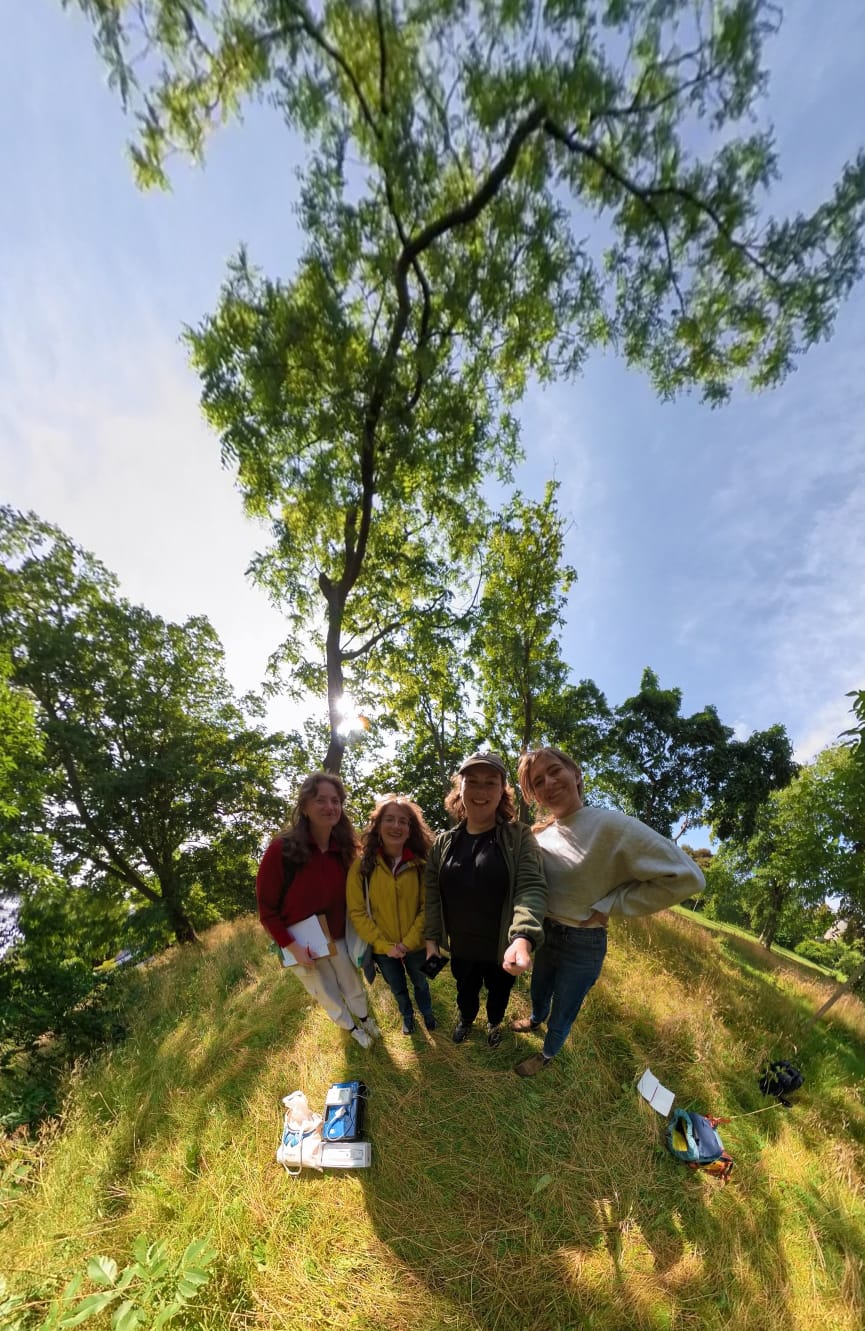
Witness Tree Project – 2025 Update
Exploring the Role of Trees in Climate Change Mitigation Through Collaborative Research
The Witness Tree Project continues to play a crucial role in advancing research on climate change through its focus on long-lived trees, which act as natural sensors of environmental change. In 2025, the project has made significant strides with new research initiatives, collaborations, and the involvement of a growing team of dedicated experts, students, and volunteers.
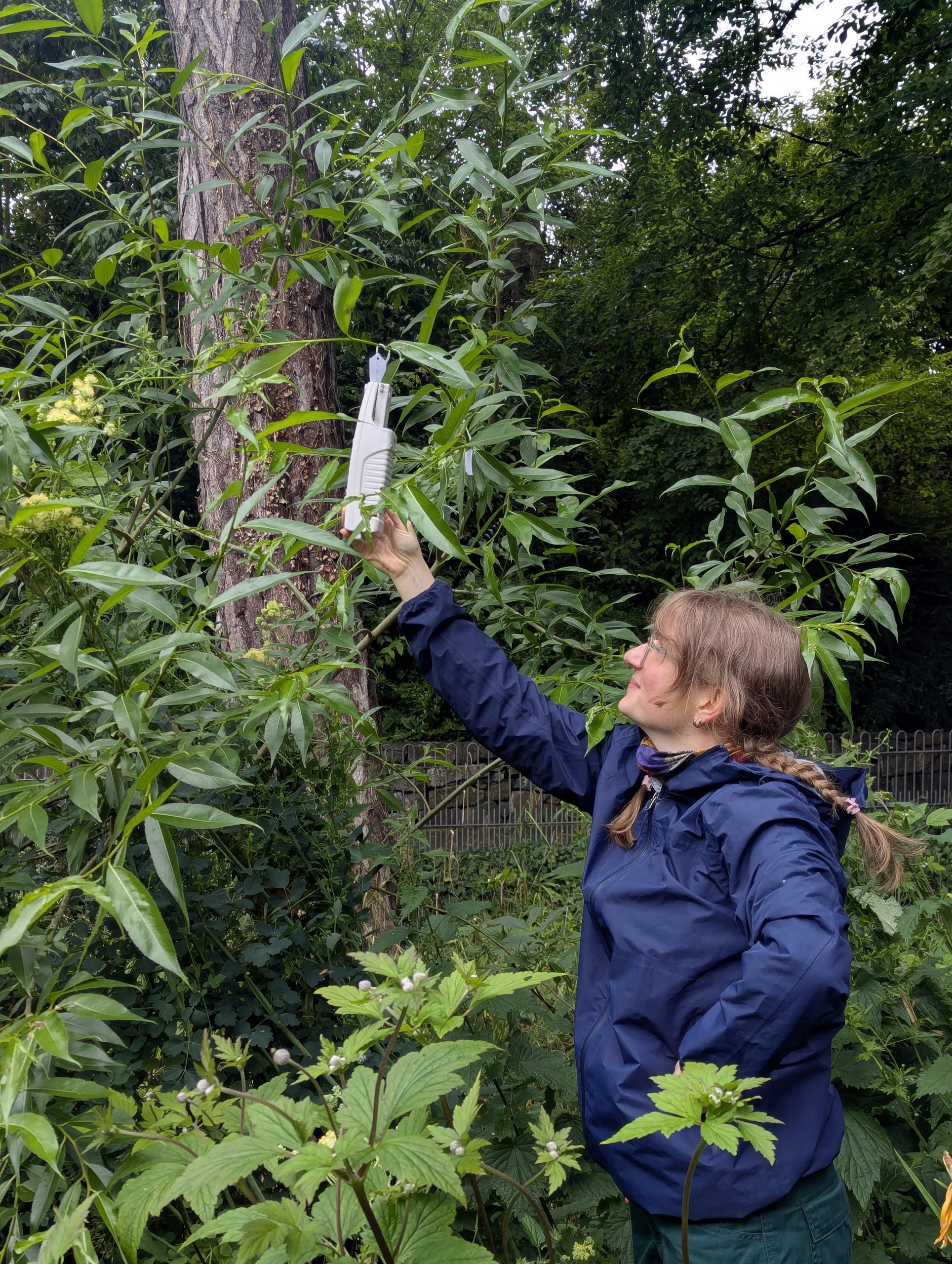
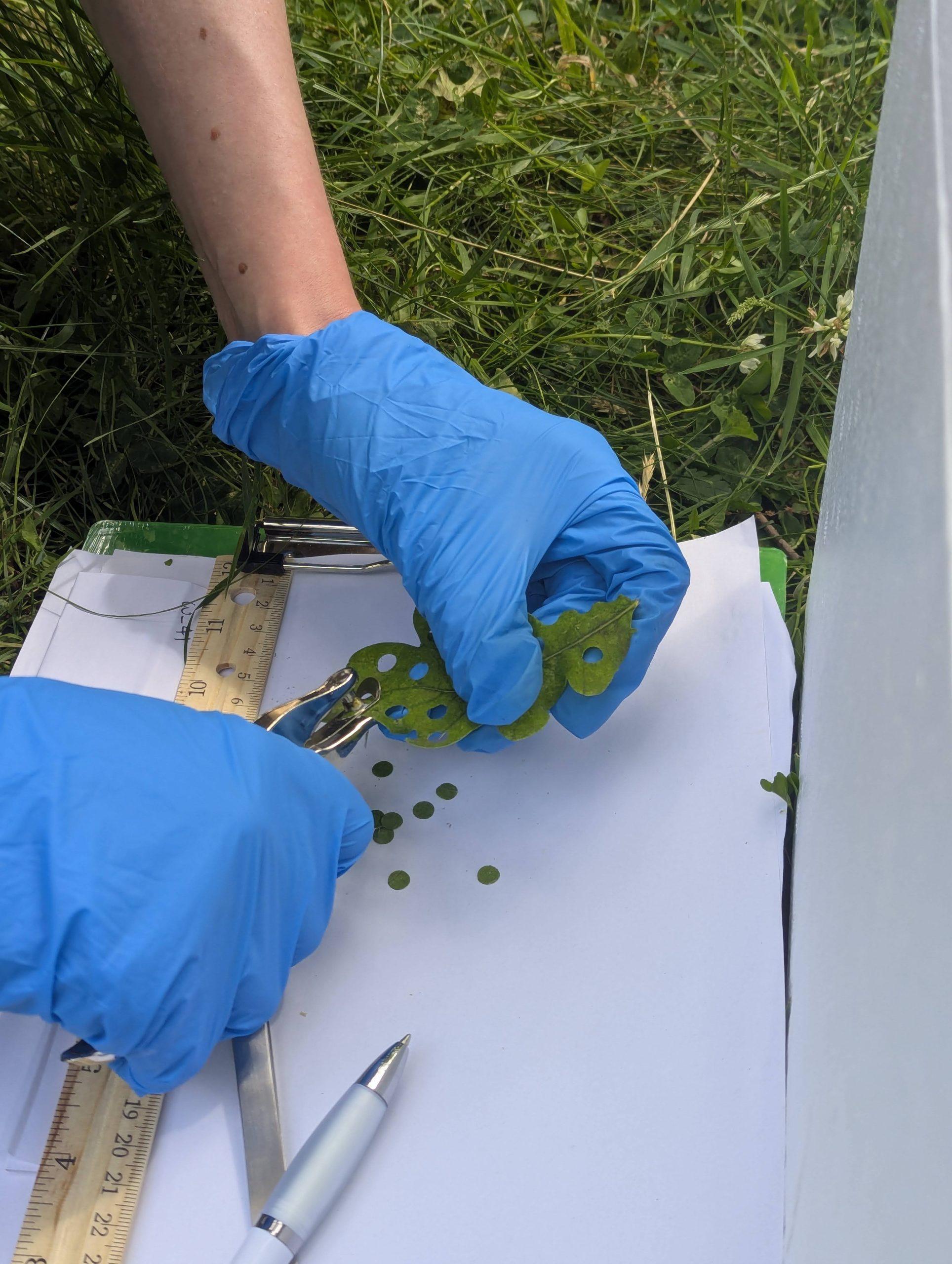
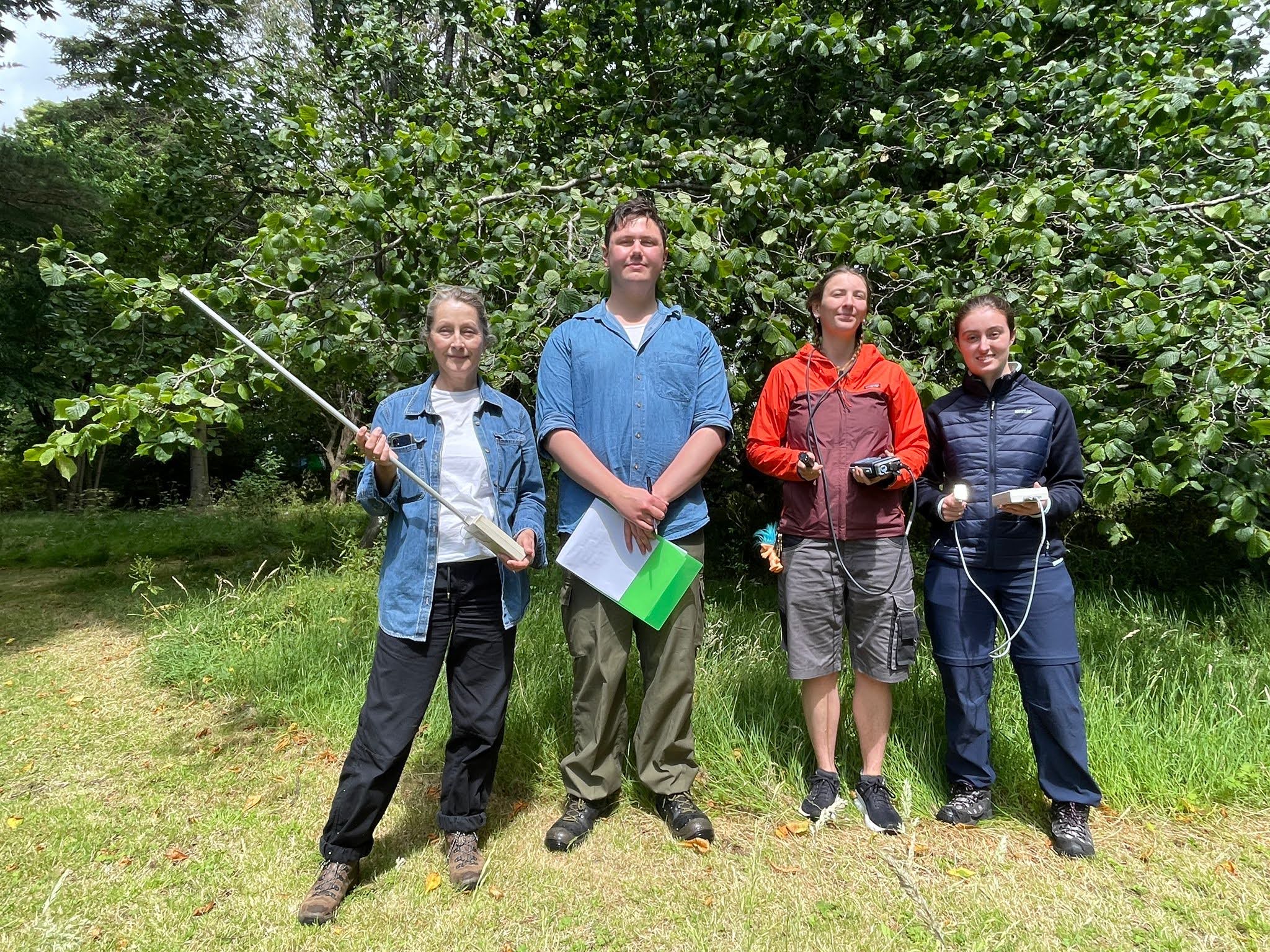
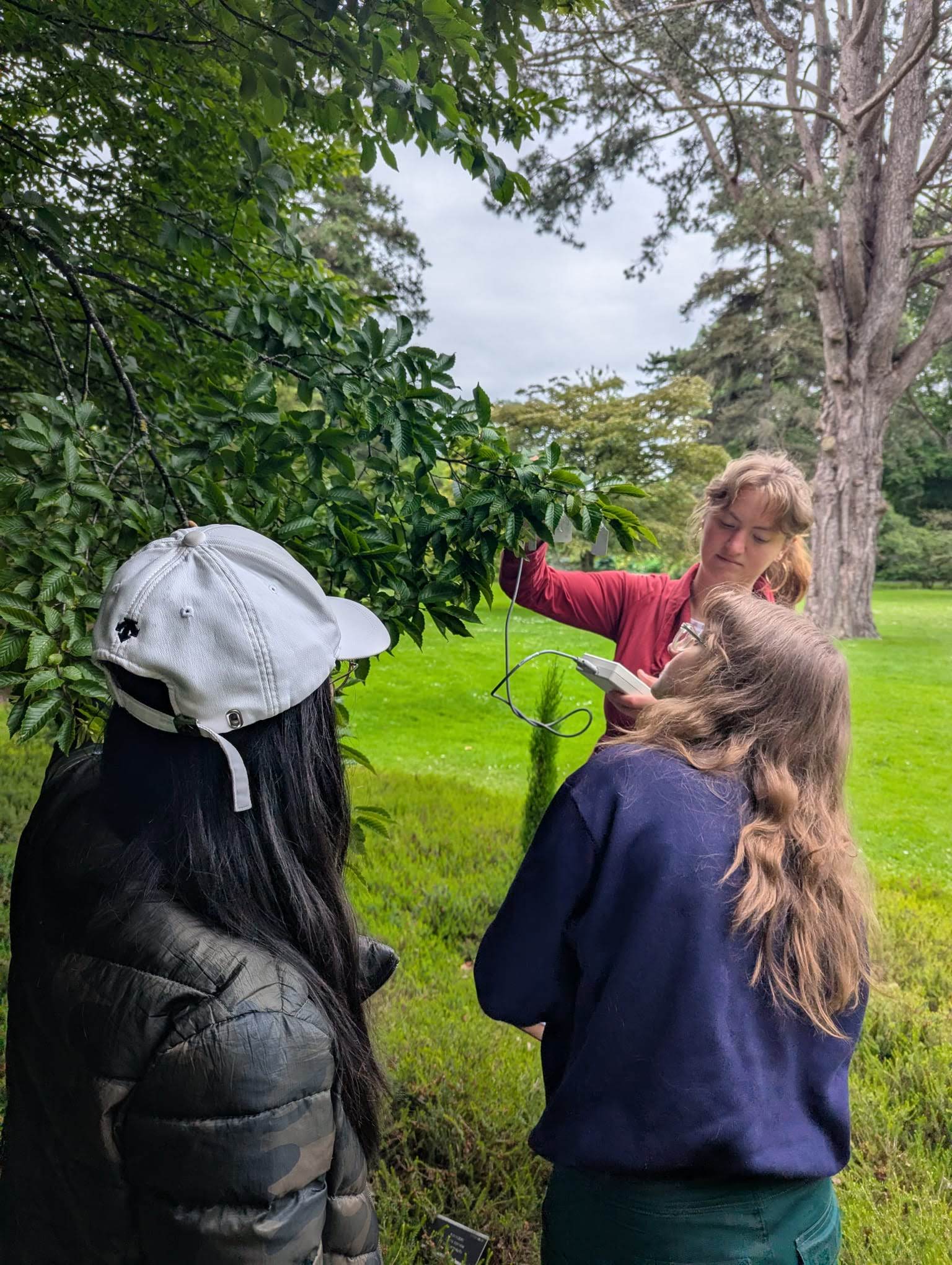
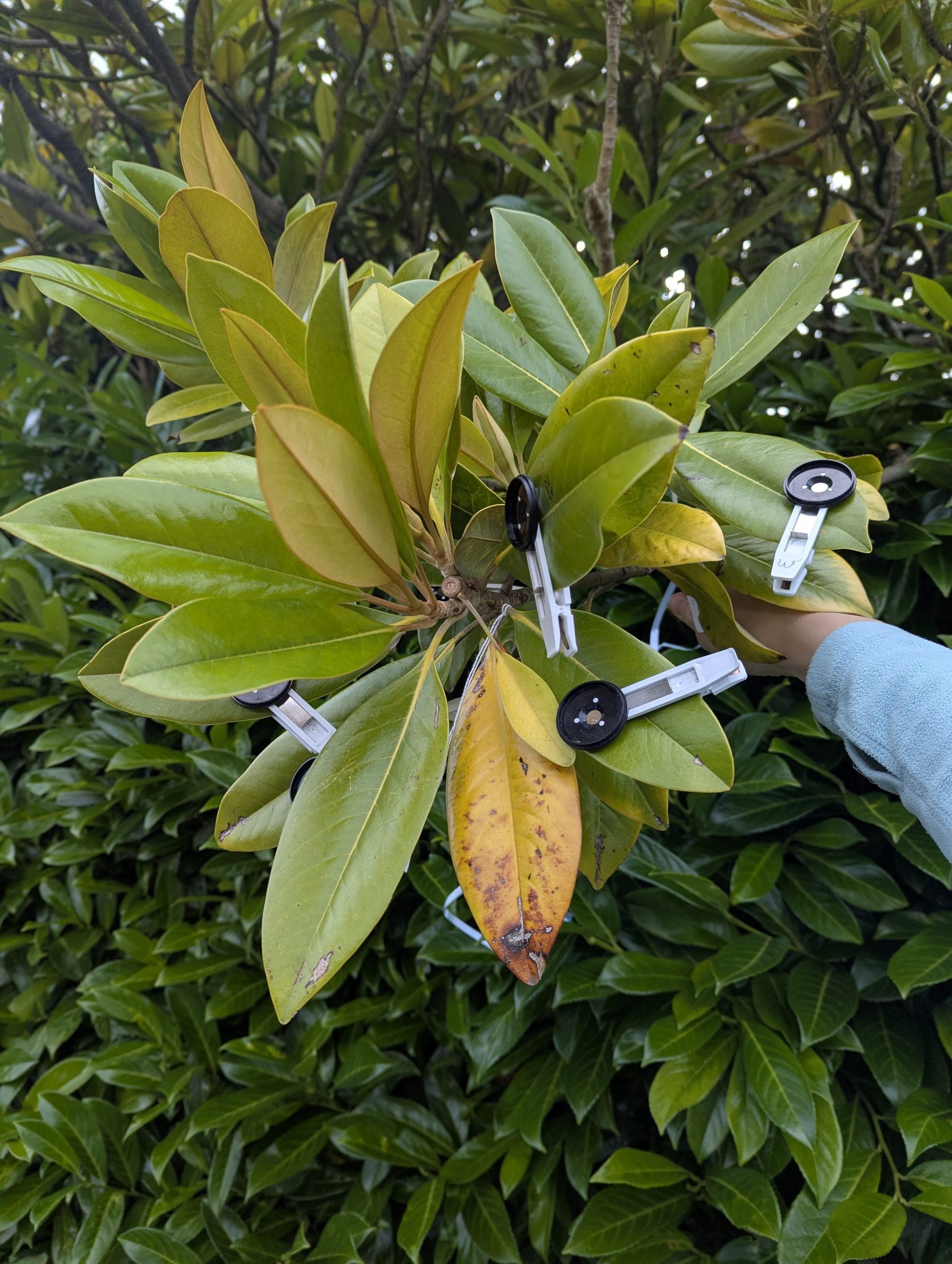
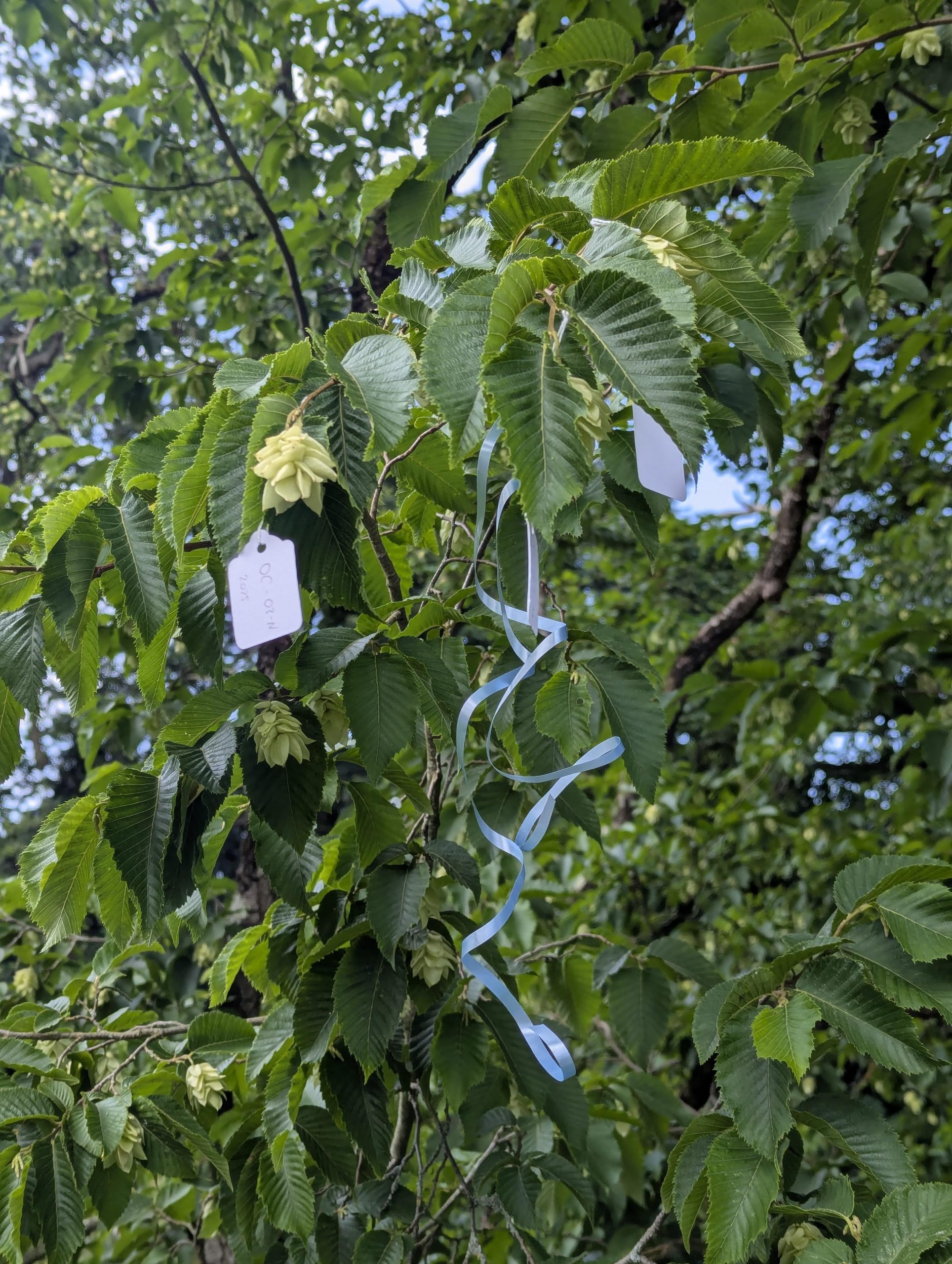
This year, Dr Miriam Slodownik, the lead of the Witness Tree Project, was responsible for leading the team at the National Botanic Gardens, where she focused on key questions regarding urban trees and their capacity to improve air quality. The research investigates which tree species are most effective at capturing particulate matter (PM) and explores the leaf traits that support PM uptake, including leaf area and surface texture.
Dr Ailbhe Brazel led a new initiative this year, collecting leaf samples from four tree species — alder, hazel, common Oak, and maidenhair tree — to identify molecular biomarkers of environmental responses. This research aims to deepen our understanding of how trees respond to environmental stressors and contribute to enhancing urban air quality.
A central theme of this research includes:
-
Which tree species captures the most particulate matter (PM)?
-
How do Leaf Area Index (LAI), leaf angles, and leaf size affect PM uptake?
-
What specific leaf traits help increase PM absorption per tree?
By linking leaf traits with air quality data, the project is providing valuable insights to inform urban planning decisions aimed at improving air quality in cities.
Charlotte Salter-Townsend, a Master’s student, was also involved, examining which species within the Witness Tree Project have the highest PM capturing capacity. Charlotte’s work focuses on understanding how traits like leaf area, trichome density, and leaf size influence PM capture, and how these traits may work together to enhance the tree’s ability to absorb particulate matter.
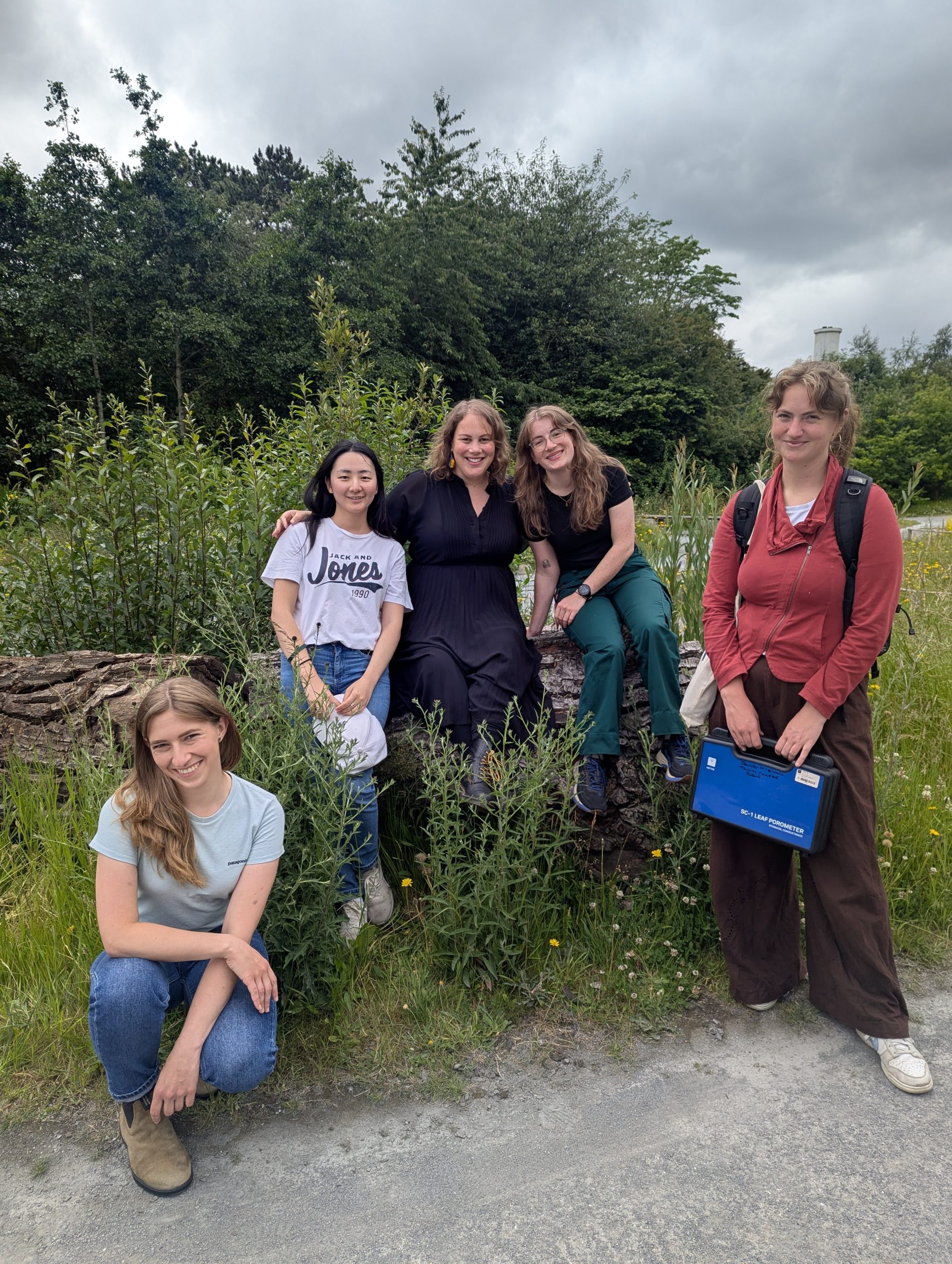
At the Trinity College Botanic Gardens, Dr Michelle Murray led a separate team focused on monitoring the health of trees in response to environmental stressors such as temperature fluctuations and urban heat islands. Dr Christos Chondrogiannis supported the team, contributing to field collection and data analysis.
This year, a group of dedicated volunteers contributed significantly to the success of the project. A huge thank you goes out to Sophie, Lucy, Phoebe, Yidan, Ríona and Ciaran for their invaluable help. Their hard work, enthusiasm, and commitment to the project have been essential to the progress made this year.
The project remains highly active on social media, particularly through its Instagram platform, where updates and findings from the ongoing research are shared. Recent posts highlight the involvement of students, volunteers, and researchers in this year’s activities, showing the critical role that community engagement plays in the success of the project.






Kamila Presents at Nature Connections 2025 Conference
Exploring Urban Forest Bathing at Nature Connections 2025
Dr Kamila Kwaśniewska recently attended Nature Connections 2025 in Derby, hosted by the University of Derby, to present her research poster, “Urban Forest Bathing – Calm in the Chaos of Student Life”, co-authored by Dr Michelle Murray and Prof. Jennifer McElwain. The project was developed in collaboration with NovelEco, Student Counselling Services and Trinity College Botanic Gardens, exploring how guided nature-connection sessions can support student mental health.
The study involved 2-hour urban forest bathing sessions held in the Trinity College Botanic Garden, followed by reflective surveys completed by participating students. The findings revealed encouraging results:
85 % joined to reduce stress and relax,
78 % felt significantly more relaxed afterwards,
74 % reported improved mood,
72 % experienced a stronger connection to nature,
and 62 % left feeling more positive and uplifted.
Students described the experience as calming, grounding, and emotionally restorative, showing how even small-scale, urban green spaces can play a meaningful role in wellbeing.
The conference itself offered a rare blend of academic insight and lived experience. Alongside research presentations and keynote talks, including one by Prof. Miles Richardson, it featured outdoor workshops, movement-based sessions, creative writing, and shared plant-based meals in open-air settings. It was a space filled with real conversations, creative energy, and a sense of shared purpose.


Our Labs Achieve Exceptional Sustainability Scores with 'My Green Lab Certification'
Our Labs Achieve Exceptional Sustainability Scores with 'My Green Lab Certification'
We are thrilled to announce that all our laboratories: Variable Atmosphere and Light Lab, Plant Atmosphere Interactions Lab, and Paleo-Botanical Lab have achieved outstanding results in the My Green Lab Certification process. Led by Professor Jennifer McElwain and dedicated teams, each lab has earned impressive 90+ scores in recognition of their exceptional commitment to sustainability in research.
A special thank you goes to former Research Assistant Katie O’Dea and Christos Chrondogiannis for their invaluable contributions to making this achievement possible. Their efforts were instrumental in the success of this project.
My Green Lab is a non-profit organisation dedicated to improving sustainability in scientific research, particularly within laboratory environments. The My Green Lab Certification is globally recognised as the gold standard for laboratory sustainability practices and is endorsed by the United Nations Race to Zero Campaign as a key indicator of progress towards a zero-carbon future.
By achieving My Green Lab Certification, our labs have demonstrated leadership in sustainable research practices. These labs are now part of a select group of research institutions that have met the highest standards of environmental responsibility. Their certification underscores the importance of integrating sustainability into scientific research without compromising excellence.


PlantClimate Lab Represents Trinity at IPSAM 2025 in Galway
Planting Knowledge, Cultivating Insight - PlantClimate Lab at IPSAM
Our PlantClimate Lab had an outstanding presence at this year’s Irish Plant Scientists’ Association Meeting (IPSAM 2025) in Galway on 16–17 June. Across five talks and two posters, our team shared research spanning paleoenvironmental chemistry, epigenetic stress responses, ecosystem water balance, restoration ecology, and climate-focused tree monitoring.
Talks
-
Ailbhe Brazel presented “Understanding the role of histone methylation in plant hypoxia responses”, exploring how epigenetic mechanisms help plants adapt to low oxygen stress conditions.
-
Emma Blanka Kovács delivered “Mercury analyses of modern and fossil plant substrates as indicators of atmospheric Hg loading”, highlighting how modern and historical plant material can trace mercury pollution through time.
-
Sate Ahmad shared “On Weather, Water & Willows: Stomatal Response to Meteorological Forcings in Salix viminalis”, examining the effects of meteorological variability on plant water use and ecosystem balance.
-
Miriam Slodownik presented findings from the Witness Tree Project, which uses mature trees at Trinity Botanic Garden to monitor environmental change. Her talk focused on long-term tracking of physiological responses—such as stomatal conductance and particulate capture—to air pollution and climate stressors.
-
Christos Chondrogiannis gave an evolutionary perspective in his talk on the origins and evolution of CAM (Crassulacean Acid Metabolism) photosynthesis, using cycads as a model. His research contributes to understanding how ancient plant lineages adapted to arid environments, providing insight into the evolutionary drivers of water-use efficiency in plants.
Posters
-
Siddiq Muhammad presented “How Atmospheric Change Influences Elemental Composition in Woody Plants Across Global Biomes”, a global-scale study leveraging herbarium collections to assess how rising CO₂ and nitrogen deposition have shifted leaf nutrient profiles across biomes.
-
Sate Ahmad also presented “The Role of Landscape Ecology in Ecosystem Restoration”, outlining a multidisciplinary project that combines ecological data, spatial analysis, and long-term field monitoring to assess restoration outcomes across Irish landscapes.
It was a fantastic two days of science, collaboration, and connection. We’re incredibly proud of our team for representing PlantClimate Lab with such energy and excellence, and for contributing to important conversations on how plants respond to a changing planet.


Representing Our Research at the 42nd Mid-Continent Paleobotanical Colloquium
Representing Our Research at the 42nd Mid-Continent Paleobotanical Colloquium
This past month, two of our very own PhD students, Catarina (me!) and Antonietta, travelled to Middletown, Connecticut, to present at the 42nd Mid-Continent Paleobotanical Colloquium, hosted by Wesleyan University (Go Cardinals!).
Antonietta delivered a well-received talk titled “Regional Plant Ecological Turnover and Diversity Loss at the End-Triassic Mass Extinction at the Jameson Land Basin, East Greenland” and fielded more questions than any other speaker!
Catarina, despite battling jetlag, presented a poster titled “Sampling Strategies and Their Influence on Paleoecological Interpretations at the Triassic–Jurassic Boundary”, a follow-up to her earlier IGRM presentation.
Reflecting on the experience, Antonietta shared, “Visiting the palaeobotany collections at museums of such importance as the Yale Peabody Museum was an absolutely amazing experience.” Catarina added, “It was great getting to meet everyone and share the work we’ve been doing with our American peers — and to see what they’ve been working on as well!”
by Catarna Barbosa


