
Flatlining Fens - Signs of homogenisation beneath the surface
Fine-scale ecosystem variation signals early functional decline in alkaline fens, new research shows
New research from the discipline of Botany, in collaboration with the Engineering Department and the National Parks and Wildlife Service (NPWS), reveals that some of Ireland’s rare alkaline fens—peat-forming, groundwater-fed wetlands—are becoming more uniform, or “homogenised,” due to historic drainage and degradation.
Led by Dr Sate Ahmad, the research team compared a relatively intact fen in Westmeath with a degraded one in Limerick and found striking differences. While both had high levels of organic matter, the degraded site held significantly less water and showed far less microvariation in soil and surface features. The team discovered that the degraded fen had become much more spatially uniform—a red flag for ecological health. These differences hint at a loss of the ecosystem’s ability to perform vital functions. The findings highlight the importance of microtopography—the tiny bumps and dips in fen surfaces—as early indicators of damage and recovery. They also underscore the value of small-scale mapping and monitoring in ecosystem restoration.
As Ireland works to restore and protect its remaining peatlands, the study offers new tools to measure restoration success and ecosystem complexity. The study was funded by Research Ireland (formerly Irish Research Council) New Foundations Award in partnership with Sunflower Charitable Foundation and Community Foundation Ireland.
https://www.sciencedirect.com/science/article/pii/S1470160X25002481


Unearthing Memory - Siobhan McDonald’s Artistic Dialogue with Nature
Merging Science and Art - Siobhan McDonald’s Collaboration with Terraform in BOGSKIN
Siobhan McDonald’s latest work explores the intricate balance between preservation and decay, drawing inspiration from the bog ecosystems that have safeguarded organic matter for centuries. Working in collaboration with Terraform, she engaged with leading ecological research and material preservation techniques to deepen the scientific foundation of the project. Their expertise provided critical insights into the anaerobic conditions that allow materials such as sphagnum moss, peat, and decaying plant matter to endure over time, mirroring the way the Faddan More Psalter was preserved within the bog.
As part of this process, Siobhan utilized the cutting-edge facilities of the Variable Atmosphere and Light (VAL) laboratory at Trinity College Dublin. The VAL Lab’s advanced plant growth chambers, designed to control light intensity, spectra, temperature, humidity, and atmospheric composition, enabled her to cultivate and study plant materials under precisely simulated environmental conditions. This scientific approach allowed for an innovative integration of organic materials and artistic expression, reinforcing the themes of memory, transformation, and impermanence within her work.
Further supported by Terraform’s ERC-funded research, Siobhan incorporated experimental methods to investigate the interplay of light, organic matter, and time. These techniques expanded the possibilities of her practice, pushing the boundaries of material exploration while maintaining a strong connection to ecological and historical narratives.
The results of this research and artistic exploration are currently on display at the Royal Hibernian Academy of Arts in Dublin. Her latest exhibition, BOGSKIN, is open to the public until April 20th 2025, offering a unique opportunity to experience the interplay of science, art, and the fragile ecosystems that inspire her work.
Looking ahead, Siobhan will continue her collaboration with Terraform as she embarks on a new project examining Dublin’s coastline as a wetland. This work will form part of the upcoming STARTS4Water II residencies, furthering her engagement with environmental themes and the passage of time in shifting landscapes.
For more information on Siobhan’s work, please visit: https://www.siobhanmcdonald.com/


TERRAFORM Researchers Present at IGRM2025
TERRAFORM Researchers Present at IGRM2025
The 68th Irish Geoscience Research Meeting (IGRM2025) was held at Trinity College Dublin from February 28th – March 2nd. The meeting included a session on palaeoclimate, at which several project TERRAFORM researchers showcased their current work and scientific advancements. Dr William J. Matthaeus presented his talk titled, Trait-Based Palaeo–Ecosystem Simulations Reveal Shifting Forest Cover Across the Triassic–Jurassic Biotic Crisis, highlighting the exciting potential of utilising plant fossil trait data in deep-time ecosystem modelling. PhD candidates Antonietta B. Knetge and Catarina Barbosa also presented talks on the Triassic–Jurassic Biotic Crisis. Knetge presented her study Palaeoecology and Diversity Loss During the End–Triassic Event at South Tancrediakløft, East Greenland, and Barbosa presented How Counting Method Influences the Interpretation of Plant Palaeoecological Data. Barbosa received an honorable mention for best student presentation. E. Blanka Kovács gave a talk on her research about secondary controls on the natural mercury cycle during large-scale volcanic events, titled Astronomical modulation of enhanced environmental mercury (Hg) fluxes during early Toarcian LIP volcanism. TERRAFORM members have benefited from engaging with Earth scientists from global and regional communities. IGRM is a critical venue for fostering collaborations in Ireland’s emerging geosciences community.
by Antonietta Knetge and Blanka Kovacs


Liffey Sensing - Art & Science Workshop
Art, Science, and the River - Siobhán McDonald’s Liffey Sensing Workshop
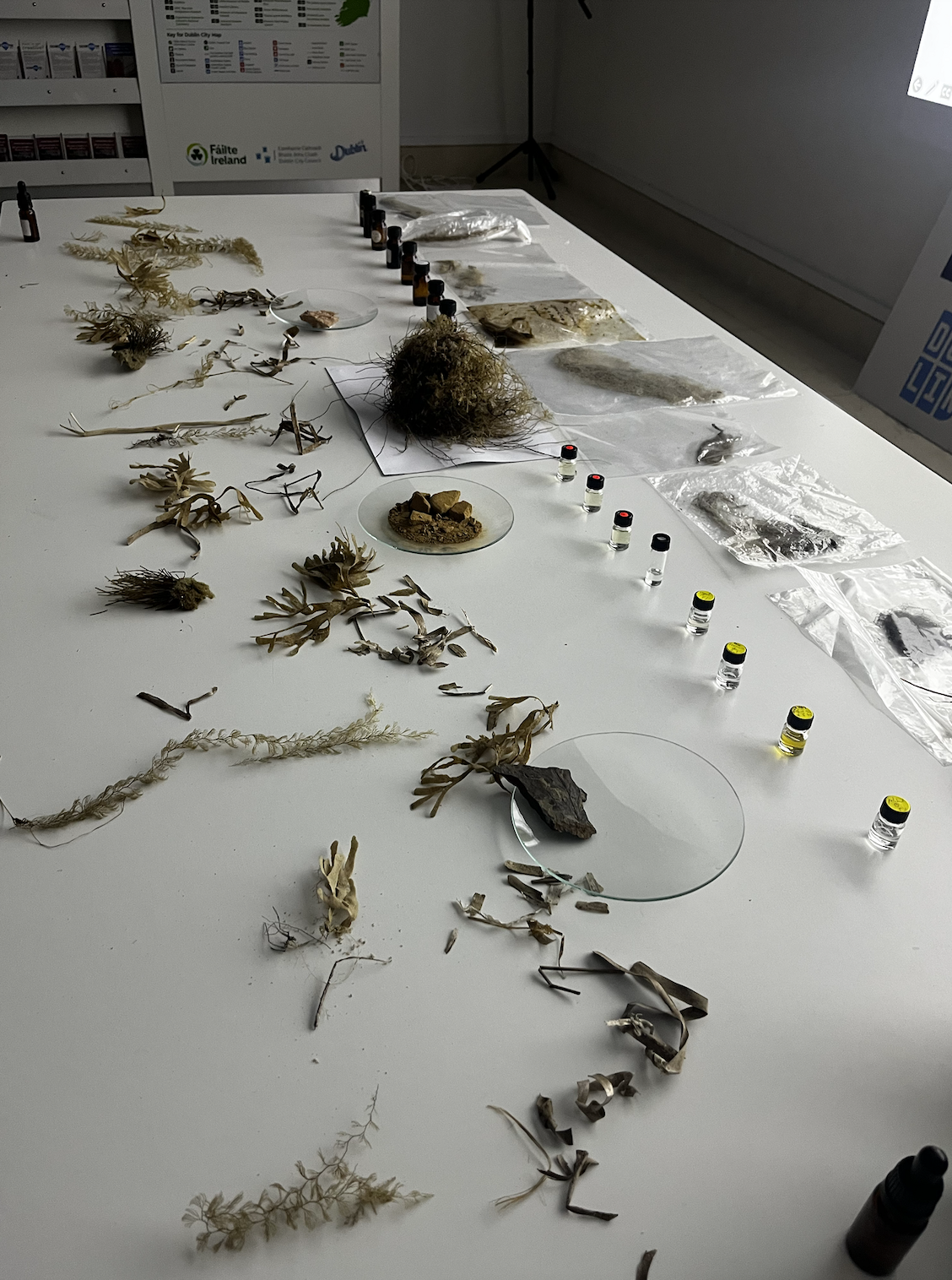
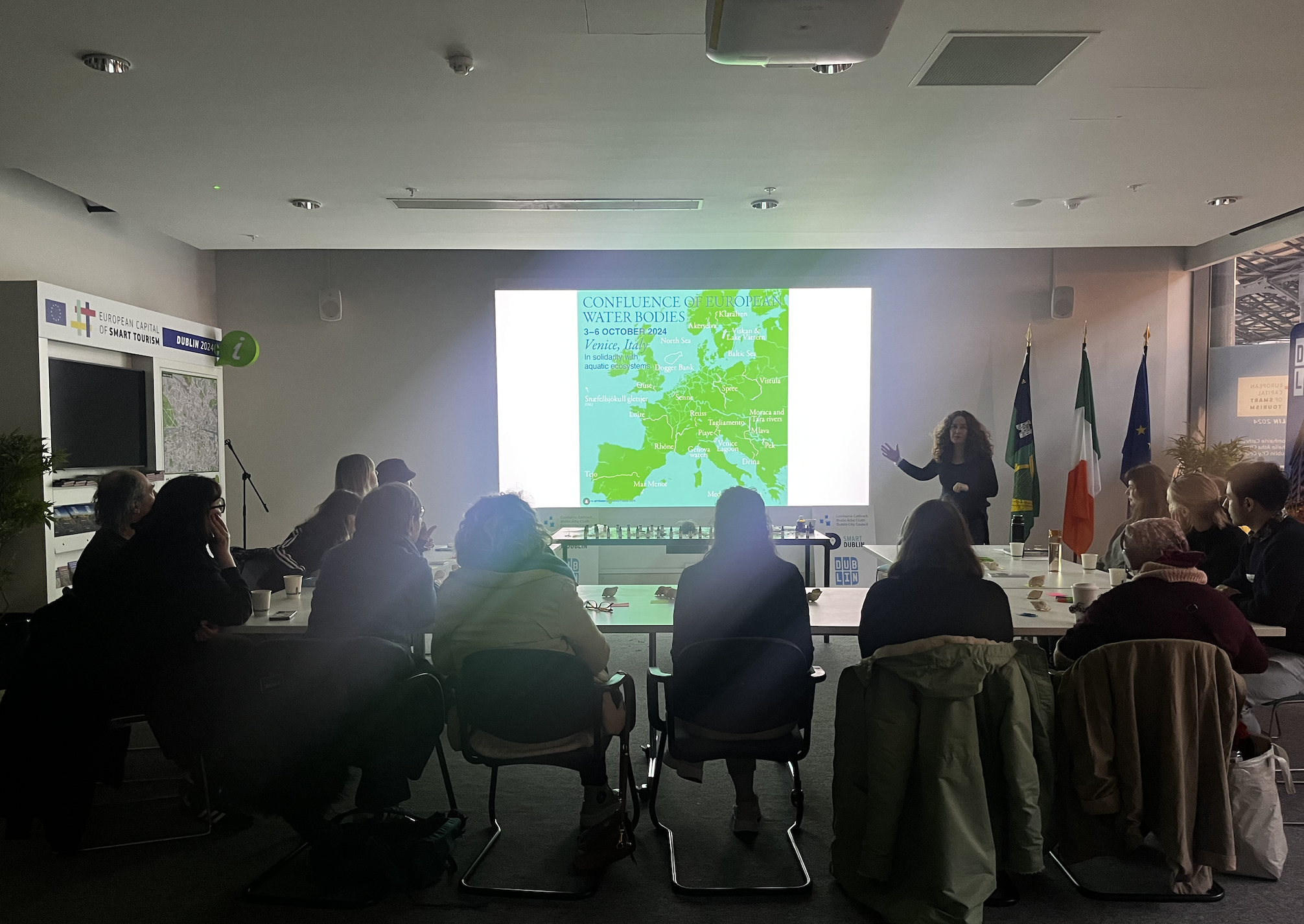
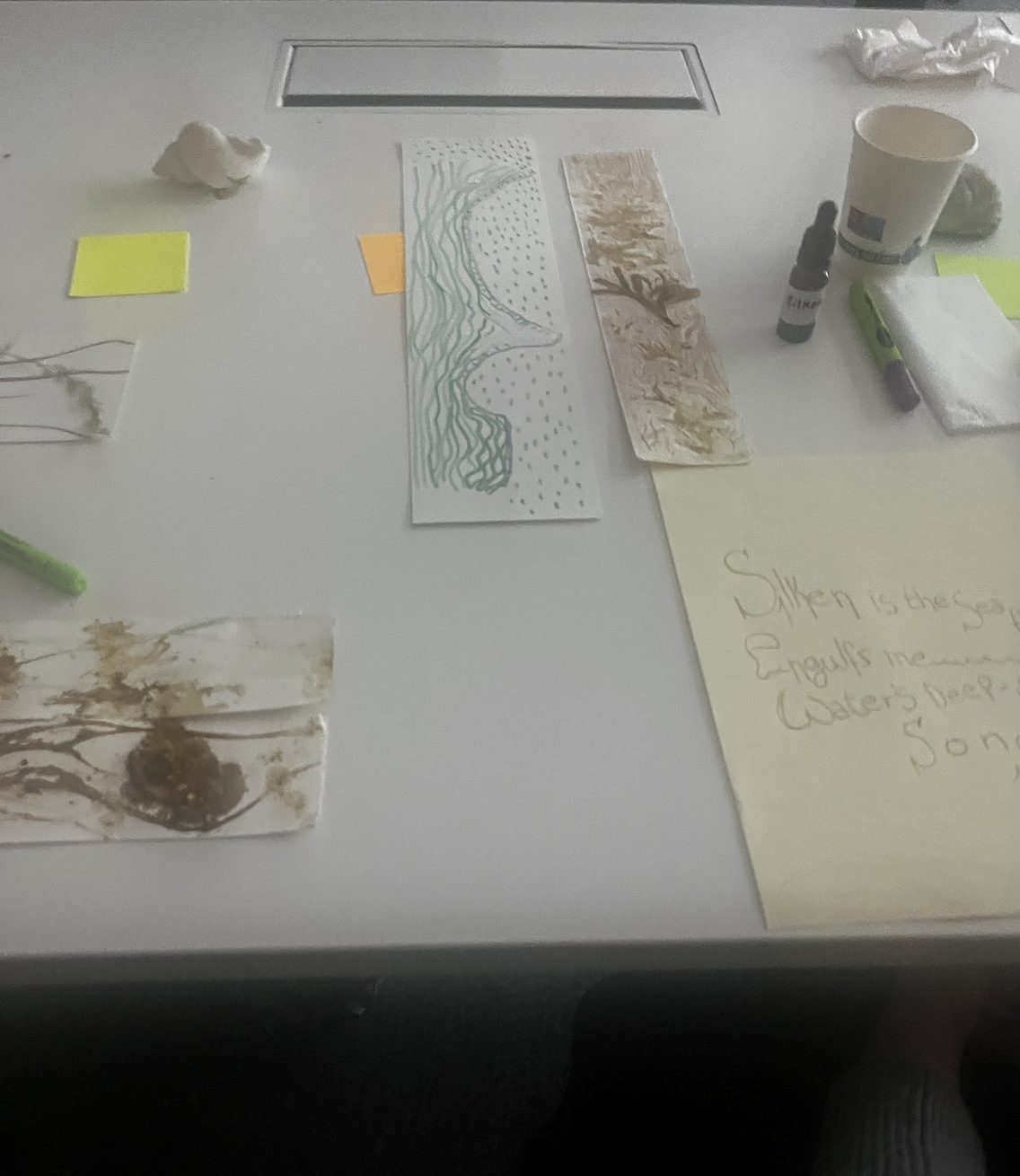
Project TERRAFORM’s artist-in-residence, Siobhán McDonald held a Liffey Sensing Workshop on February 18th to communicate her work with the European Union-funded STARTS4Water. McDonald is the STARTS4Water ambassador for Ireland, representing the river Liffey globally to contribute an artistic perspective to hydrologic science and technology in response to the drastic effects of climate change on our water systems. The Liffey Sensing workshop encouraged the attendees to artistically connect to the river Liffey and explore the river’s significance environmentally and socially. TERRAFORM PhD researcher Antonietta Knetge also attended and gave a brief presentation on the origins of the Liffey within the Wicklow mountains, the importance of the geology that supports the system, and Ireland’s rich geologic and fossil history. The attendees then created art inspired by the sounds and scents of the Liffey using marine herbarium specimens and local coastal sediment collected by McDonald. The photographs here illustrate the workshop and the incredible works by Artist Siobhán McDonald for the STARTS4Water project.
Project links:
https://starts.eu/starts4water-ii-residencies/
https://starts.eu/siobhan-mcdonald-shapeshifter/
by Antonietta Knetge
Harnessing botanical remedies for respiratory health
Plant-based cough syrup - a blend of tradition and science
Muhammad Siddiq, a PhD student, recently carried out a project exploring natural alternatives to synthetic cough syrups, with a focus on medicinal plants from the TCD Botanical Garden. This independent project, while separate from his doctoral research on plant chemistry and climate change, contributes to the broader conversation about the role of plants in healthcare.
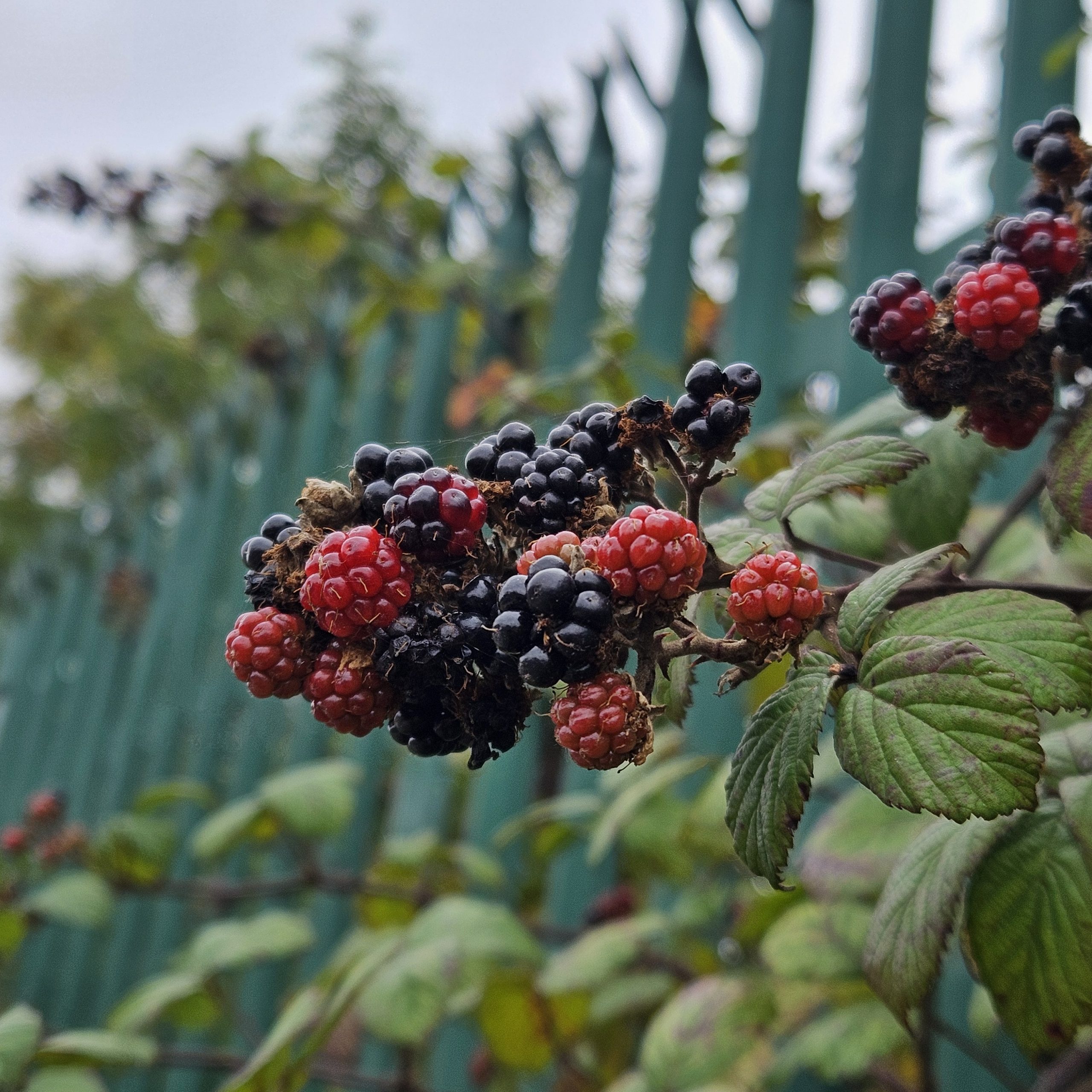
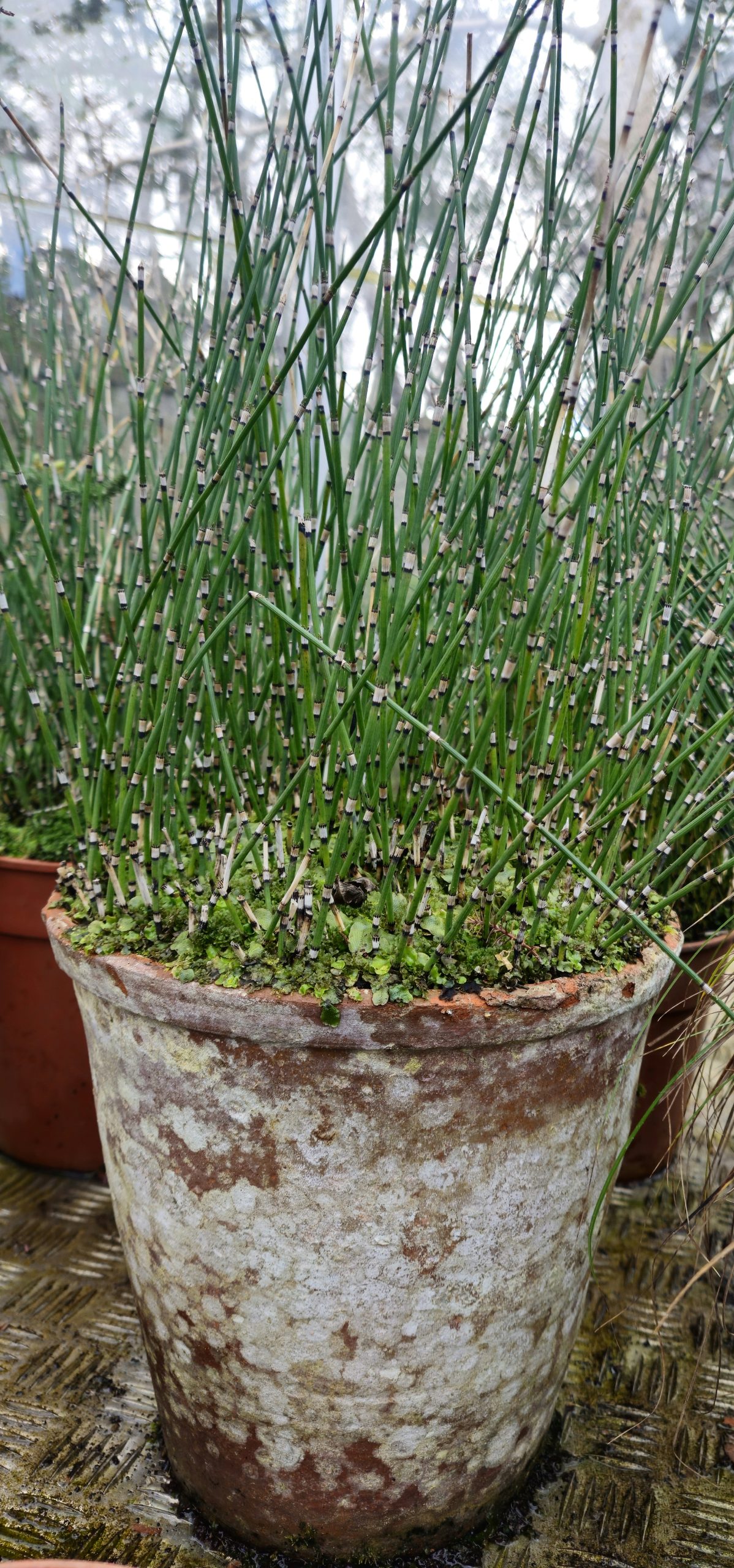
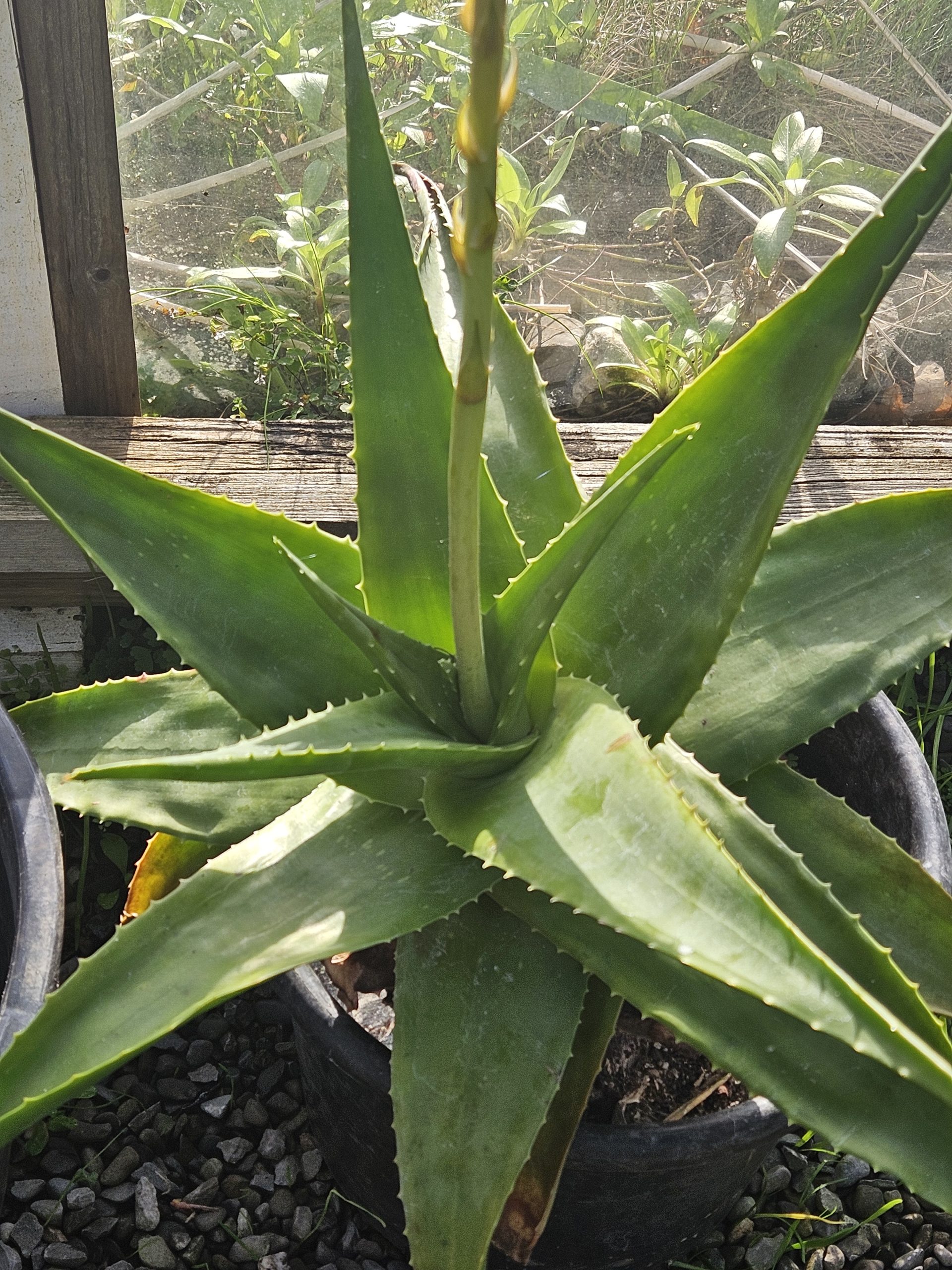
Siddiq’s work focused on identifying plants with potential cough-relieving properties, drawing on both historical knowledge and scientific evidence. He highlighted five plants known for their medicinal value: Allium sativum (garlic), prized for its antibacterial and immune-boosting effects; Aloe vera, recognized for its soothing and anti-inflammatory properties; Equisetum hyemale (horsetail), a mild expectorant; Thuja occidentalis, traditionally used for respiratory congestion but requiring controlled use due to its thujone content; and Rubus armeniacus (blackberry), rich in antioxidants that help alleviate throat irritation.
Using these plants, Siddiq developed a natural cough syrup, blending garlic extract, aloe vera juice, horsetail infusion, blackberry syrup, and honey—an age-old natural remedy known for its preservative and throat-soothing properties. This simple yet effective formulation offers a plant-based alternative to commercial cough syrups and demonstrates the potential of botanicals in modern medicine.
Although separate from his PhD research, Siddiq’s work highlights the relevance of plant-based treatments in healthcare, bridging traditional knowledge with modern scientific validation. His project also emphasizes the value of locally available medicinal plants, many of which visitors to the TCD Botanical Garden can explore firsthand to learn about their historical and medicinal significance, both in Ireland and beyond.
by Muhammad Siddiq

Behind-the-Scenes of the Evolutionary Weathering Experiment at the VAL Lab
Preparing for the Evolutionary Weathering Experiment – A Behind-the-Scenes Look
As part of the TERRAFORM ERC-funded project, the upcoming evolutionary weathering experiment in the Variable Atmosphere and Light (VAL) Laboratory aims to investigate how vegetation influences silicate weathering and its role in shaping geochemical cycles over time. This project requires extensive preparation to establish precise experimental conditions for plant-mineral interactions in a controlled setting.
A selection of plant species has been carefully acclimated to growth chambers, where they will be monitored under controlled environmental conditions. These plants will be grown in a specialized mineral substrate, allowing researchers to examine weathering processes over time. The study will involve regular geochemical assessments to track changes in environmental variables.
Extensive groundwork has been undertaken to ensure experimental consistency, from refining growth conditions to optimizing substrate composition. The climate chambers have undergone thorough testing to maintain stable conditions, ensuring a replicable study environment.
With preparations nearly complete, this research aims to provide valuable insights into how plant evolution has influenced biogeochemical cycles and atmospheric processes. Stay tuned for future updates and findings!
by Dylan McGinty


Final Year Thesis Spotlight on Investigating Plant Responses and Molecular Signaling
How do plants sense their environment?
Philip Brennan is a final-year Botany undergraduate student. He is working under the supervision of Dr. Ailbhe Brazel who is a Teaching Fellow on the Terraform project. Philip will be answering questions on how plants dynamically respond to their environment by integrating multiple molecular mechanisms. Philip will be working with a commonly used model organism in plant genetic research, Arabidopsis thaliana. Arabidopsis is a small herbaceous plant in the Brassicaceae family, a family containing many of the crops we eat every day such as cabbage, broccoli, cauliflower and turnip. Philip will be taking advantage of the vast genetic resources available in Arabidopsis to dissect the interactions between different molecular signalling pathways in response to stress and development. He will be using molecular as well as microscopy techniques in his project.
by Ailbhe Brazel


Connecting Through Stories - The Power of Storytelling at European Researchers' Night
Science Storytelling at European Researcher's Night


Trees as Climate Warriors - Dublin's Long-Term Study on Trees, Air Quality, and Carbon Sequestration
Third Year of the monitoring project "Witness Tree" in Trinity College Botanic Gardens & National Botanical Gardens
Researchers at Plant Climate Lab entered the third year of the 30-year-long “Witness Trees” project to study how trees can help fight climate change and improve air quality. Using the mix of native and non-native trees, the project collects long-term data on carbon capture, air filtration, and ecosystem health in Dublin. This year, trees from both Trinity College Botanic Gardens and the National Botanical Gardens were included, expanding the study to North Dublin.
Led by Prof. Jennifer McElwain, with contributions from Dr Sate Ahmad, Dr Christos Chondrogiannis, Dr Michelle Murray, and Erasmus Master students Tina Monteiro and Morgane Weissenburger, the research aims to identify tree species most effective at absorbing pollutants and requesting carbon. The findings will provide valuable insights for future urban planning, helping cities adapt to environmental stresses. By focusing on species’ resilience and performance under varying conditions, the project not only supports Ireland’s climate goals but also offers insights into how urban forests can aid in addressing climate change worldwide.
For more information check the Witness Trees project website and read more online papers:


Our Erasmus Adventure - Botany, Friendship, and New Skills at Trinity College
Our Erasmus Adventure - Botany, Friendship, and New Skills at Trinity College
Hi guys, we’re Tina and Morgane, two French students who completed our six-month master’s internship at the Trinity College Botanical Department. This internship was our first international experience and allows us to improve our English skills while learning a lot about botany.
We’ve been warmly welcomed by the entire team, which is quite diverse in botanical science and ecology, and allowed to learn about different fields of botany. The team was always there to help when needed and we had the chance to attend social events outside work. The botanical garden is a very peaceful place that we thoroughly enjoyed. We loved working in this environment and having the opportunity to take breaks by walking through the garden or sitting quietly in the arboretum to enjoy a ray of sunshine. It was also fascinating to observe the changes in the garden over the seasons, from winter to summer.
This internship allowed us to develop our autonomy and initiative, especially by adjusting our projects based on the skills we wanted to acquire. Working primarily independently taught us the importance of organization when handling long-term projects.
The experience of living in another country has enabled us to discover another culture, meet new people and discover amazing landscapes. It developed our self-confidence, independence, resourcefulness but also our English skills. The experience also enabled us to step out of our comfort zone and do things we’d never done in France.
Being an Erasmus student in this team was a great experience that helped us shape our professional path and explore a field that really interested us. Doing this experience together helped us to support each other while sharing very good souvenirs.
If you are a person who wants to meet people from around the world, improve your plant biology skills, and enhance your English, this is the right place for you!


