

Our Labs Achieve Exceptional Sustainability Scores with 'My Green Lab Certification'
Our Labs Achieve Exceptional Sustainability Scores with 'My Green Lab Certification'
We are thrilled to announce that all our laboratories: Variable Atmosphere and Light Lab, Plant Atmosphere Interactions Lab, and Paleo-Botanical Lab have achieved outstanding results in the My Green Lab Certification process. Led by Professor Jennifer McElwain and dedicated teams, each lab has earned impressive 90+ scores in recognition of their exceptional commitment to sustainability in research.
A special thank you goes to former Research Assistant Katie O’Dea and Christos Chrondogiannis for their invaluable contributions to making this achievement possible. Their efforts were instrumental in the success of this project.
My Green Lab is a non-profit organisation dedicated to improving sustainability in scientific research, particularly within laboratory environments. The My Green Lab Certification is globally recognised as the gold standard for laboratory sustainability practices and is endorsed by the United Nations Race to Zero Campaign as a key indicator of progress towards a zero-carbon future.
By achieving My Green Lab Certification, our labs have demonstrated leadership in sustainable research practices. These labs are now part of a select group of research institutions that have met the highest standards of environmental responsibility. Their certification underscores the importance of integrating sustainability into scientific research without compromising excellence.


PlantClimate Lab Represents Trinity at IPSAM 2025 in Galway
Planting Knowledge, Cultivating Insight - PlantClimate Lab at IPSAM
Our PlantClimate Lab had an outstanding presence at this year’s Irish Plant Scientists’ Association Meeting (IPSAM 2025) in Galway on 16–17 June. Across five talks and two posters, our team shared research spanning paleoenvironmental chemistry, epigenetic stress responses, ecosystem water balance, restoration ecology, and climate-focused tree monitoring.
Talks
-
Ailbhe Brazel presented “Understanding the role of histone methylation in plant hypoxia responses”, exploring how epigenetic mechanisms help plants adapt to low oxygen stress conditions.
-
Emma Blanka Kovács delivered “Mercury analyses of modern and fossil plant substrates as indicators of atmospheric Hg loading”, highlighting how modern and historical plant material can trace mercury pollution through time.
-
Sate Ahmad shared “On Weather, Water & Willows: Stomatal Response to Meteorological Forcings in Salix viminalis”, examining the effects of meteorological variability on plant water use and ecosystem balance.
-
Miriam Slodownik presented findings from the Witness Tree Project, which uses mature trees at Trinity Botanic Garden to monitor environmental change. Her talk focused on long-term tracking of physiological responses—such as stomatal conductance and particulate capture—to air pollution and climate stressors.
-
Christos Chondrogiannis gave an evolutionary perspective in his talk on the origins and evolution of CAM (Crassulacean Acid Metabolism) photosynthesis, using cycads as a model. His research contributes to understanding how ancient plant lineages adapted to arid environments, providing insight into the evolutionary drivers of water-use efficiency in plants.
Posters
-
Siddiq Muhammad presented “How Atmospheric Change Influences Elemental Composition in Woody Plants Across Global Biomes”, a global-scale study leveraging herbarium collections to assess how rising CO₂ and nitrogen deposition have shifted leaf nutrient profiles across biomes.
-
Sate Ahmad also presented “The Role of Landscape Ecology in Ecosystem Restoration”, outlining a multidisciplinary project that combines ecological data, spatial analysis, and long-term field monitoring to assess restoration outcomes across Irish landscapes.
It was a fantastic two days of science, collaboration, and connection. We’re incredibly proud of our team for representing PlantClimate Lab with such energy and excellence, and for contributing to important conversations on how plants respond to a changing planet.


Representing Our Research at the 42nd Mid-Continent Paleobotanical Colloquium
Representing Our Research at the 42nd Mid-Continent Paleobotanical Colloquium
This past month, two of our very own PhD students, Catarina (me!) and Antonietta, travelled to Middletown, Connecticut, to present at the 42nd Mid-Continent Paleobotanical Colloquium, hosted by Wesleyan University (Go Cardinals!).
Antonietta delivered a well-received talk titled “Regional Plant Ecological Turnover and Diversity Loss at the End-Triassic Mass Extinction at the Jameson Land Basin, East Greenland” and fielded more questions than any other speaker!
Catarina, despite battling jetlag, presented a poster titled “Sampling Strategies and Their Influence on Paleoecological Interpretations at the Triassic–Jurassic Boundary”, a follow-up to her earlier IGRM presentation.
Reflecting on the experience, Antonietta shared, “Visiting the palaeobotany collections at museums of such importance as the Yale Peabody Museum was an absolutely amazing experience.” Catarina added, “It was great getting to meet everyone and share the work we’ve been doing with our American peers — and to see what they’ve been working on as well!”
by Catarna Barbosa


Flatlining Fens - Signs of homogenisation beneath the surface
Fine-scale ecosystem variation signals early functional decline in alkaline fens, new research shows
New research from the discipline of Botany, in collaboration with the Engineering Department and the National Parks and Wildlife Service (NPWS), reveals that some of Ireland’s rare alkaline fens—peat-forming, groundwater-fed wetlands—are becoming more uniform, or “homogenised,” due to historic drainage and degradation.
Led by Dr Sate Ahmad, the research team compared a relatively intact fen in Westmeath with a degraded one in Limerick and found striking differences. While both had high levels of organic matter, the degraded site held significantly less water and showed far less microvariation in soil and surface features. The team discovered that the degraded fen had become much more spatially uniform—a red flag for ecological health. These differences hint at a loss of the ecosystem’s ability to perform vital functions. The findings highlight the importance of microtopography—the tiny bumps and dips in fen surfaces—as early indicators of damage and recovery. They also underscore the value of small-scale mapping and monitoring in ecosystem restoration.
As Ireland works to restore and protect its remaining peatlands, the study offers new tools to measure restoration success and ecosystem complexity. The study was funded by Research Ireland (formerly Irish Research Council) New Foundations Award in partnership with Sunflower Charitable Foundation and Community Foundation Ireland.
https://www.sciencedirect.com/science/article/pii/S1470160X25002481


Unearthing Memory - Siobhan McDonald’s Artistic Dialogue with Nature
Merging Science and Art - Siobhan McDonald’s Collaboration with Terraform in BOGSKIN
Siobhan McDonald’s latest work explores the intricate balance between preservation and decay, drawing inspiration from the bog ecosystems that have safeguarded organic matter for centuries. Working in collaboration with Terraform, she engaged with leading ecological research and material preservation techniques to deepen the scientific foundation of the project. Their expertise provided critical insights into the anaerobic conditions that allow materials such as sphagnum moss, peat, and decaying plant matter to endure over time, mirroring the way the Faddan More Psalter was preserved within the bog.
As part of this process, Siobhan utilized the cutting-edge facilities of the Variable Atmosphere and Light (VAL) laboratory at Trinity College Dublin. The VAL Lab’s advanced plant growth chambers, designed to control light intensity, spectra, temperature, humidity, and atmospheric composition, enabled her to cultivate and study plant materials under precisely simulated environmental conditions. This scientific approach allowed for an innovative integration of organic materials and artistic expression, reinforcing the themes of memory, transformation, and impermanence within her work.
Further supported by Terraform’s ERC-funded research, Siobhan incorporated experimental methods to investigate the interplay of light, organic matter, and time. These techniques expanded the possibilities of her practice, pushing the boundaries of material exploration while maintaining a strong connection to ecological and historical narratives.
The results of this research and artistic exploration are currently on display at the Royal Hibernian Academy of Arts in Dublin. Her latest exhibition, BOGSKIN, is open to the public until April 20th 2025, offering a unique opportunity to experience the interplay of science, art, and the fragile ecosystems that inspire her work.
Looking ahead, Siobhan will continue her collaboration with Terraform as she embarks on a new project examining Dublin’s coastline as a wetland. This work will form part of the upcoming STARTS4Water II residencies, furthering her engagement with environmental themes and the passage of time in shifting landscapes.
For more information on Siobhan’s work, please visit: https://www.siobhanmcdonald.com/


TERRAFORM Researchers Present at IGRM2025
TERRAFORM Researchers Present at IGRM2025
The 68th Irish Geoscience Research Meeting (IGRM2025) was held at Trinity College Dublin from February 28th – March 2nd. The meeting included a session on palaeoclimate, at which several project TERRAFORM researchers showcased their current work and scientific advancements. Dr William J. Matthaeus presented his talk titled, Trait-Based Palaeo–Ecosystem Simulations Reveal Shifting Forest Cover Across the Triassic–Jurassic Biotic Crisis, highlighting the exciting potential of utilising plant fossil trait data in deep-time ecosystem modelling. PhD candidates Antonietta B. Knetge and Catarina Barbosa also presented talks on the Triassic–Jurassic Biotic Crisis. Knetge presented her study Palaeoecology and Diversity Loss During the End–Triassic Event at South Tancrediakløft, East Greenland, and Barbosa presented How Counting Method Influences the Interpretation of Plant Palaeoecological Data. Barbosa received an honorable mention for best student presentation. E. Blanka Kovács gave a talk on her research about secondary controls on the natural mercury cycle during large-scale volcanic events, titled Astronomical modulation of enhanced environmental mercury (Hg) fluxes during early Toarcian LIP volcanism. TERRAFORM members have benefited from engaging with Earth scientists from global and regional communities. IGRM is a critical venue for fostering collaborations in Ireland’s emerging geosciences community.
by Antonietta Knetge and Blanka Kovacs


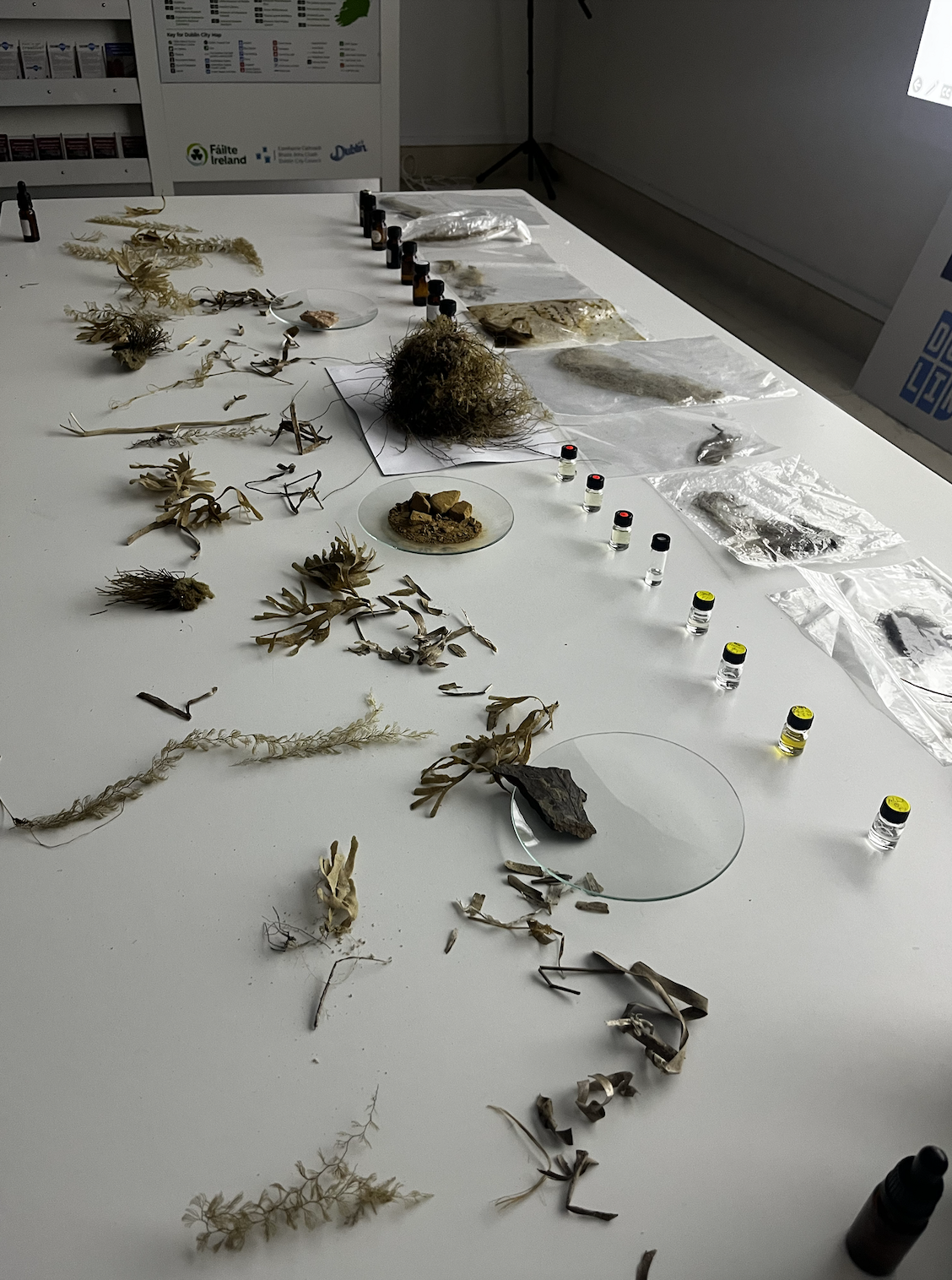
Liffey Sensing - Art & Science Workshop
Art, Science, and the River - Siobhán McDonald’s Liffey Sensing Workshop
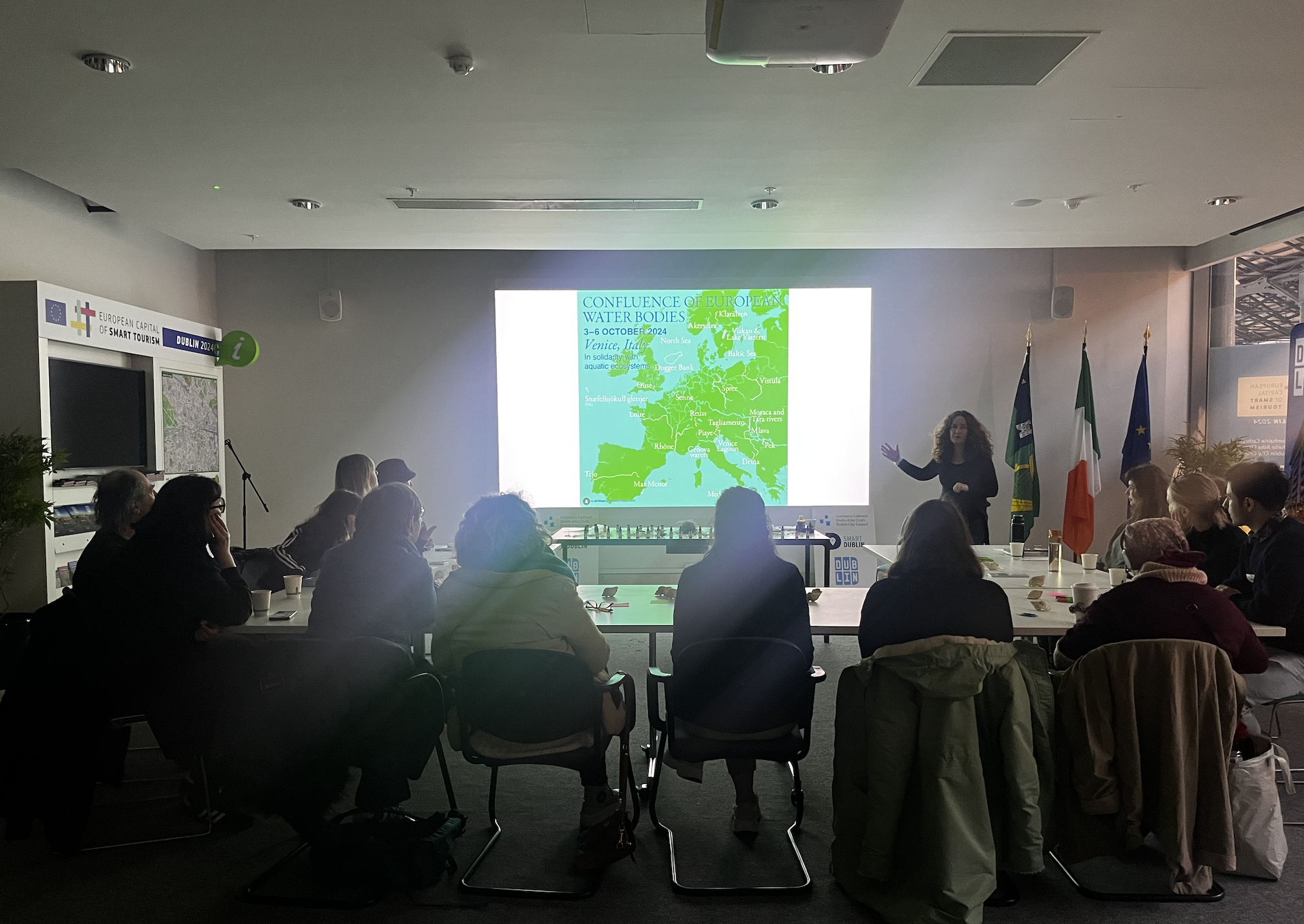
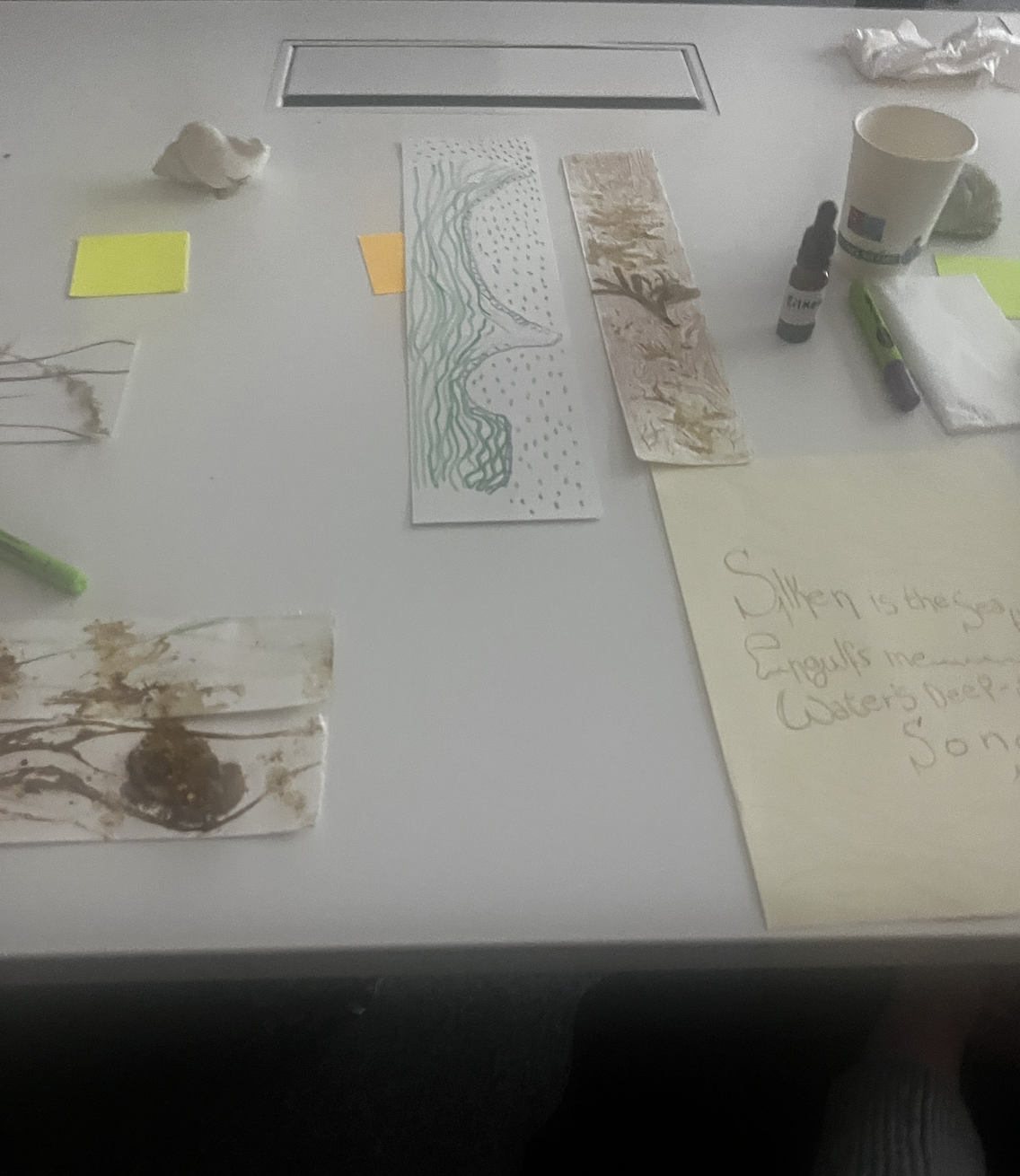
Project TERRAFORM’s artist-in-residence, Siobhán McDonald held a Liffey Sensing Workshop on February 18th to communicate her work with the European Union-funded STARTS4Water. McDonald is the STARTS4Water ambassador for Ireland, representing the river Liffey globally to contribute an artistic perspective to hydrologic science and technology in response to the drastic effects of climate change on our water systems. The Liffey Sensing workshop encouraged the attendees to artistically connect to the river Liffey and explore the river’s significance environmentally and socially. TERRAFORM PhD researcher Antonietta Knetge also attended and gave a brief presentation on the origins of the Liffey within the Wicklow mountains, the importance of the geology that supports the system, and Ireland’s rich geologic and fossil history. The attendees then created art inspired by the sounds and scents of the Liffey using marine herbarium specimens and local coastal sediment collected by McDonald. The photographs here illustrate the workshop and the incredible works by Artist Siobhán McDonald for the STARTS4Water project.
Project links:
https://starts.eu/starts4water-ii-residencies/
https://starts.eu/siobhan-mcdonald-shapeshifter/
by Antonietta Knetge
Harnessing botanical remedies for respiratory health
Plant-based cough syrup - a blend of tradition and science
Muhammad Siddiq, a PhD student, recently carried out a project exploring natural alternatives to synthetic cough syrups, with a focus on medicinal plants from the TCD Botanical Garden. This independent project, while separate from his doctoral research on plant chemistry and climate change, contributes to the broader conversation about the role of plants in healthcare.
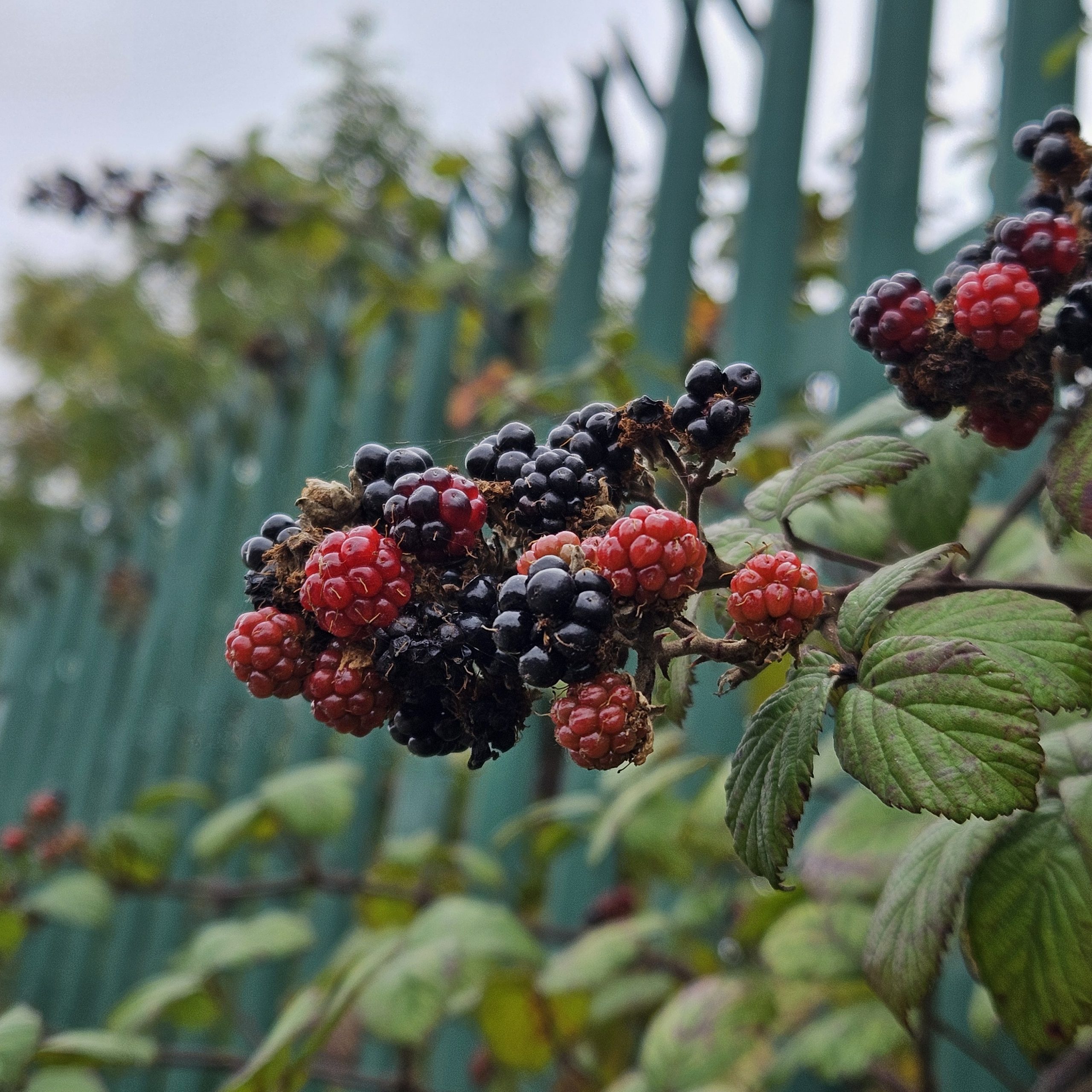
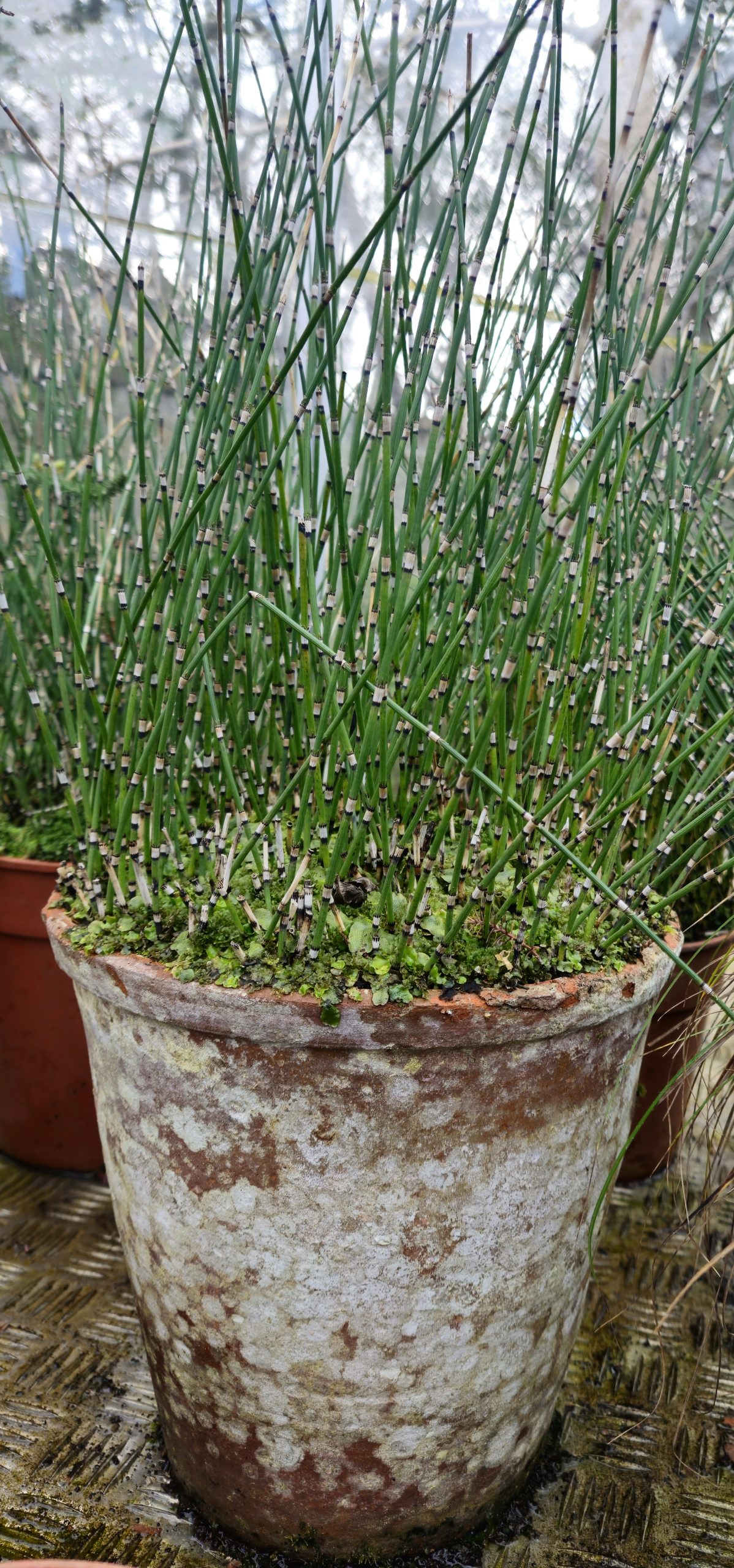
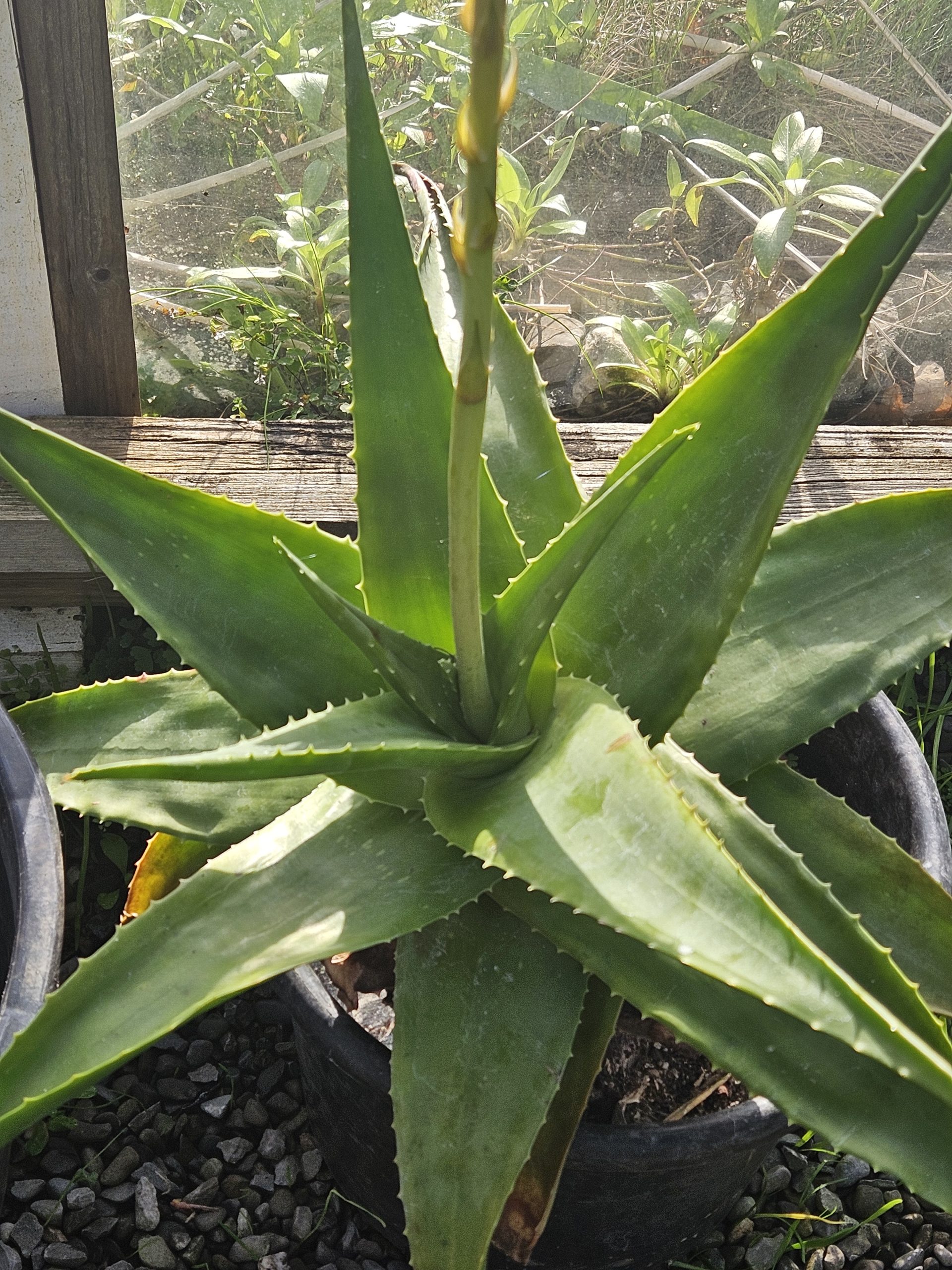
Siddiq’s work focused on identifying plants with potential cough-relieving properties, drawing on both historical knowledge and scientific evidence. He highlighted five plants known for their medicinal value: Allium sativum (garlic), prized for its antibacterial and immune-boosting effects; Aloe vera, recognized for its soothing and anti-inflammatory properties; Equisetum hyemale (horsetail), a mild expectorant; Thuja occidentalis, traditionally used for respiratory congestion but requiring controlled use due to its thujone content; and Rubus armeniacus (blackberry), rich in antioxidants that help alleviate throat irritation.
Using these plants, Siddiq developed a natural cough syrup, blending garlic extract, aloe vera juice, horsetail infusion, blackberry syrup, and honey—an age-old natural remedy known for its preservative and throat-soothing properties. This simple yet effective formulation offers a plant-based alternative to commercial cough syrups and demonstrates the potential of botanicals in modern medicine.
Although separate from his PhD research, Siddiq’s work highlights the relevance of plant-based treatments in healthcare, bridging traditional knowledge with modern scientific validation. His project also emphasizes the value of locally available medicinal plants, many of which visitors to the TCD Botanical Garden can explore firsthand to learn about their historical and medicinal significance, both in Ireland and beyond.
by Muhammad Siddiq
Measuring photosynthesis efficiency in our smallest plants
Measuring photosynthesis efficiency in our smallest plants
Dr Ailbhe Brazel, a Teaching Fellow on the Terraform project, and her colleagues recently published a paper in the January 2025 issue of Plant Science, presenting findings from her previous research.
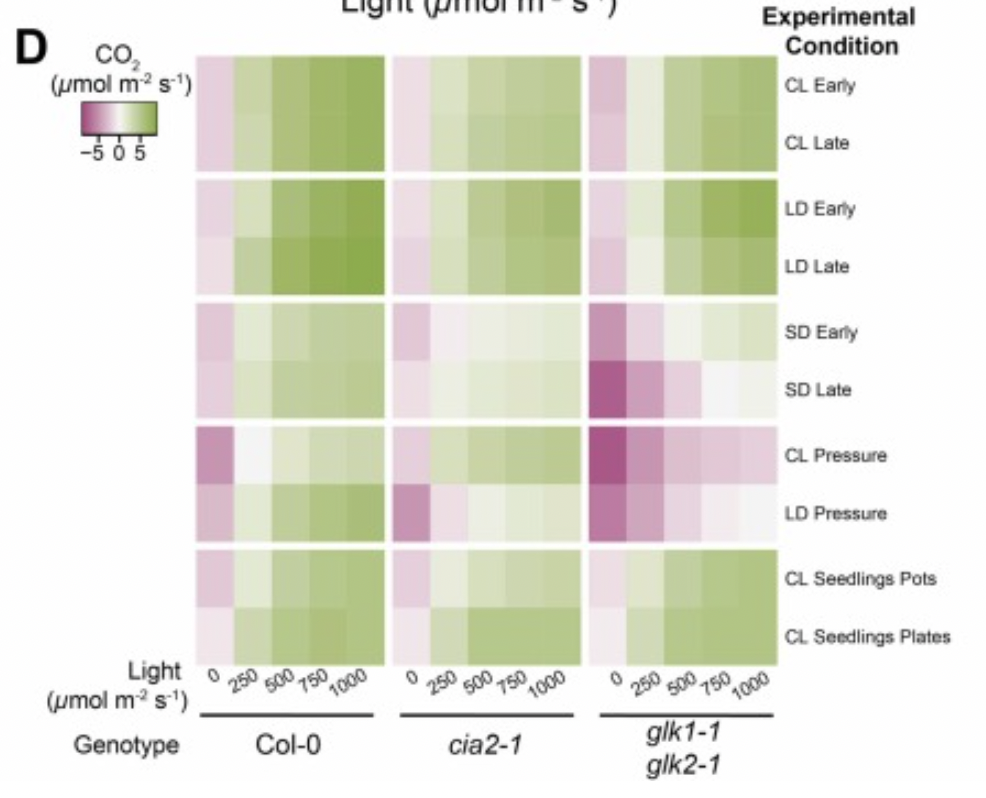
Infra-red gas exchange analysis (IRGA) is a widely used technique for assessing photosynthetic efficiency by measuring the carbon dioxide assimilated and released by plants. Traditional IRGA methods require placing plant tissue in a sealed chamber, often using bulky leaf clamps. These clamps pose challenges when working with small herbaceous plants that have delicate leaves and closed rosette structures. An alternative approach involves growing small plants in soil and using whole plant chambers for gas exchange measurements. However, this method can introduce variability due to carbon dioxide emissions from microorganisms or root respiration in the soil.
In their paper, Dr Brazel and her colleagues introduce a novel method that significantly reduces this variability, improving the accuracy of IRGA measurements for small herbaceous plants using whole plant chambers. This is the first comprehensive methods paper on IRGA analysis in Arabidopsis thaliana. The team successfully applied this technique to measure carbon dioxide assimilation in 10-day-old Arabidopsis seedlings, a crucial developmental stage frequently used in transcriptomic and biochemical research. Their method expands the toolkit available for IRGA studies in A. thaliana, enabling more precise monitoring of photosynthetic rates from early plant growth stages.
by Ailbhe Brazel


Botanical Gardens - an underused resource to study climate change
Botanical Gardens - An underused resource to study climate change
A new paper with the participation of members of our team has been recently published and is accessible to all. Professor Jennifer McElwain, Dr Michelle Murray, Dr Christos Chondrogiannis and Midori Yajima (former member) are co-authors of the paper titled “A framework for long-term environmental monitoring using living plant collections in botanic gardens: A global review and case study from Trinity College Botanic Garden” published in the Plants People Planet journal.
Botanic gardens serve as ideal sites for investigating plant responses to climate change, offering substantial outreach and visitor engagement opportunities. However, the potential of living collections for multi-year studies has not been fully explored. This paper first reviews environmental monitoring projects conducted in these institutions over three continuous years, revealing that fewer than 1% of botanic gardens and arboreta globally engage in long-term research. Moreover, we identified a shortfall in biodiversity among the species used, with only 3% of angiosperm and 35% of gymnosperm families represented in studies.
Based on these findings, we propose a long-term (>30 years) monitoring project to study the effects of climate change, using the living collection of Trinity College Botanic Garden called Witness Tree Project. We have selected 21 tree specimens that are relevant to different interests, from highly studied species with excellent international trait data coverage to culturally important trees. We measured stomatal conductance, which is significantly influenced by atmospheric CO2 levels, as well as particulate matter, indicating atmospheric pollution.
We are excited to announce that the Witness Tree Project is now in its third year and is expanding. The same trees are also being monitored at the National Botanic Gardens of Ireland, with additional collaborations in progress. Furthermore, we are incorporating more measurements to provide a comprehensive understanding of how climate change impacts plants. Recognizing the importance of open science practices, we have made our data and documentation available to the public. This approach not only facilitates future global research but also promotes a collaborative atmosphere, which is crucial for addressing the colonial legacy of botanic gardens and herbaria.
by Christos Chondrogiannis

